A new group is hoping to organize border entities in South Texas in an effort to better address and advocate for the region’s water needs.
Last week, Hidalgo County became the first entity to join the South Texas Water Supply Council, which is hoping to bring together other South Texas border counties and essentially any entity responsible for providing water to people into a bloc that can pursue water projects at scale, advocate for the area and think long term about potential solutions to the region’s growing water crisis.
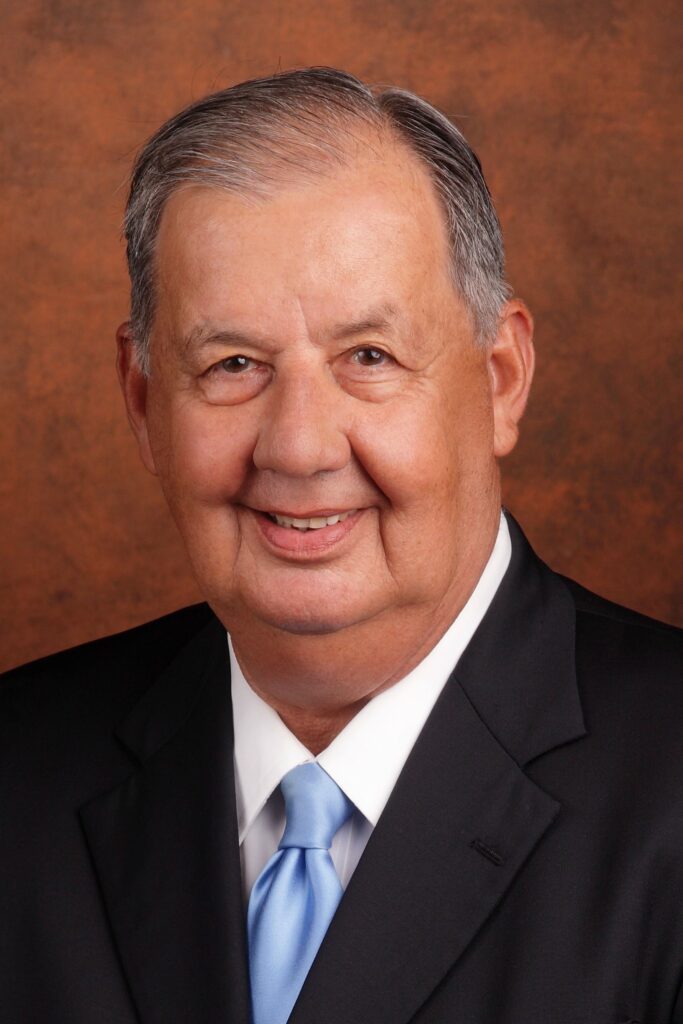
“This is a very serious initiative,” Hidalgo County Judge Richard F. Cortez said after commissioners court voted to join the council. “I think it’s a good move for us to look at different alternatives and then pick the best one.”
The council is being organized by David Earl, an attorney who’s been practicing water law for about 35 years.
Previously, Earl worked with the city of San Antonio’s water system and is active in Webb County’s ongoing efforts to address its water issues.
Earl got his start working in the Rio Grande Valley for developer Mike Rhodes, representing him for economic development and utility planning issues with projects that included Tres Lagos in McAllen. He’s also worked with several local cities.
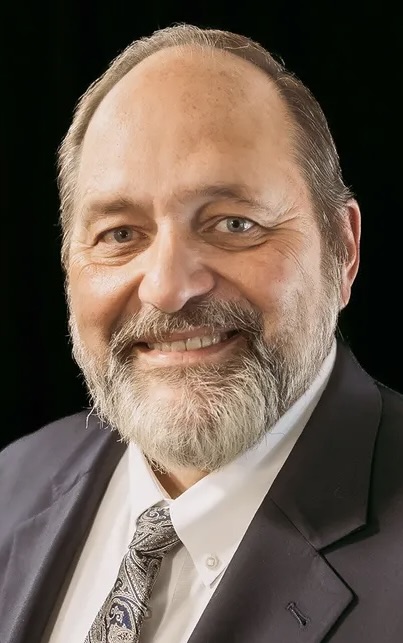
Earl says he’s putting together the South Texas Water Supply Council pro bono.
“I see how people are suffering along the border with water rationing and restrictions,” he said. “In Laredo they’re at a point where they’re about to start rationing how many showers you can take a week.”
Earl says South Texas border communities have a disadvantage in addressing the water crisis.
The Texas Water Development Board splits the state into 16 regional water planning groups.
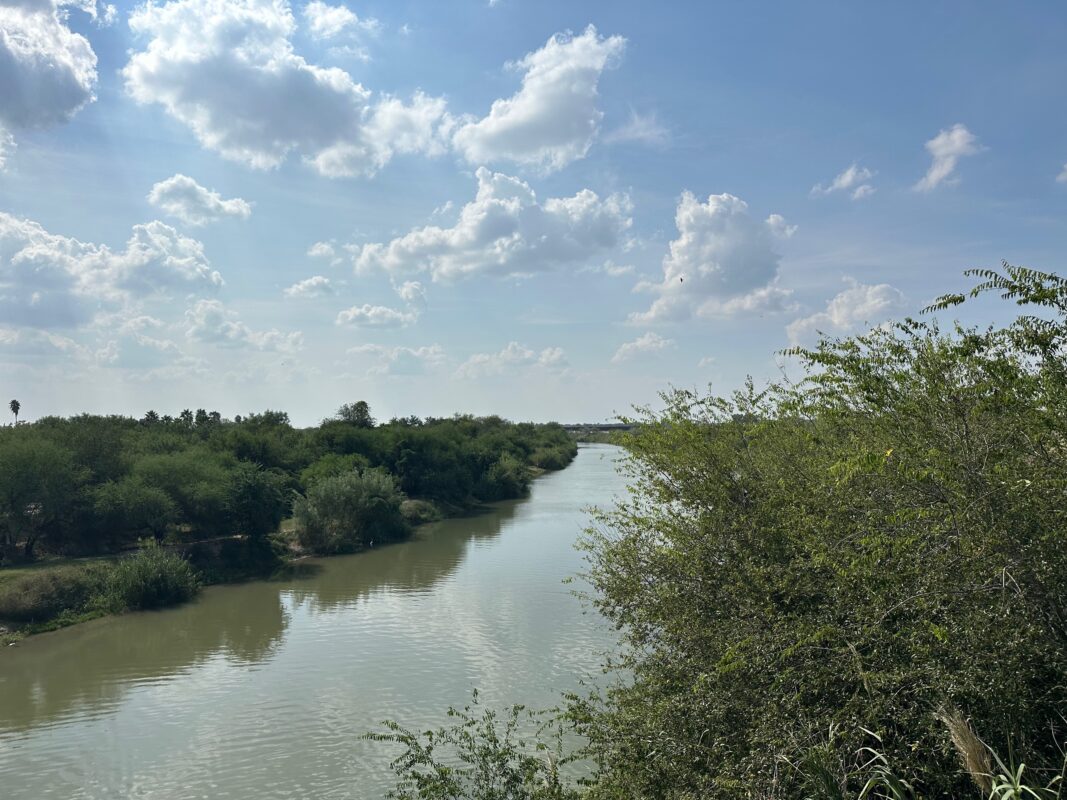
South Texas’ border counties — from Cameron County up to Maverick County — are represented by the Rio Grande Regional Water Planning Group, or Region M.
However, the Water Development Board also divides the state into groundwater management areas.
Texas has 98 groundwater conservation districts that cover almost 70% of the state.
All of those districts are part of at least one of the state’s 16 groundwater management areas.
Region M — the South Texas border counties — is split into two of those: Areas 13 and 16.
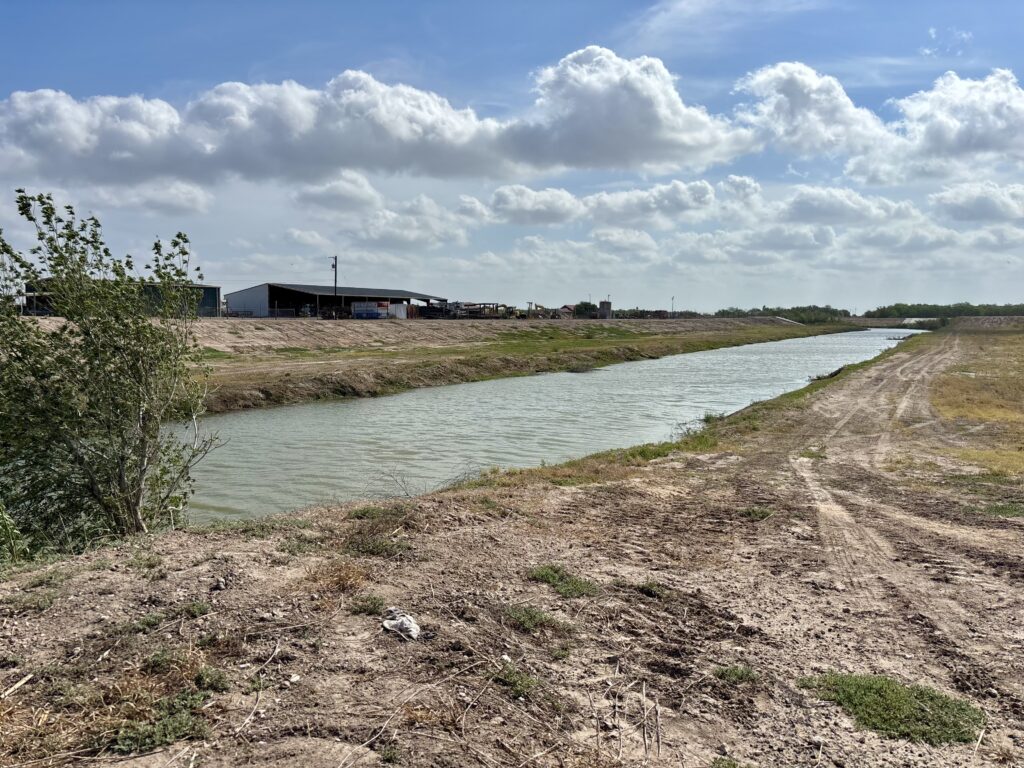
Photo Credit | Matt Wilson
None of the current representatives of those areas’ boards actually live in Region M or represent any of South Texas’ border counties’ groundwater districts, perhaps because South Texas has so few groundwater development districts.
“Most of those counties have historically been dependent 100% on water from the Rio Grande River,” Earl said. “Because of that, they’ve never done groundwater conservation districts. Most of them, historically.”
There’s only two groundwater development districts in Region M: the Red Sands GCD — perhaps the smallest district in the state — which covers a fragmented area in the northern part of Hidalgo County and another district that covers all of Starr County.
What does all of that mean for South Texas’ border counties?
According to Earl, it means South Texas’ border counties have less of a seat at the table when it comes to groundwater issues compared to their northern neighbors.
“Because they’ve never done groundwater conservation districts, they have no membership in the groundwater management areas, which are bodies that are created by Chapter 36 of the Water Code to form and implement the state water plan,” he said.
The South Texas Water Supply Council, Earl thinks, can counterbalance that disadvantage by knitting together a wide swath of the border he says is underrepresented on groundwater issues as groundwater resources are becoming increasingly lucrative.
“The whole idea is to get these groups together and work together collaboratively to find ways to bring water from where it’s at to where it’s needed at the lowest price to the consumer,” he said. “And also to give the folks around the Rio Grande river, the communities, a voice in water planning because they really lack that voice right now, to a certain extent.”
Earl says there’s other reasons to cooperate. He sang a tune that will be familiar to anyone who’s paid attention to Valley economic development — or really Valley news — in the past several years.
RioPlex advocates for economic development on a regional level in the Valley, the RGV Metropolitan Planning Organization does the same for transportation issues and the region’s four county judges loosely banded together to advocate for needs during the coronavirus pandemic and screwworm’s reintroduction to South Texas.
Earl says the idea behind the council isn’t any different: big and small, South Texas’ myriad entities have a stronger voice together than apart.
“That’s the intention behind it, is to help these smaller communities along the border coalesce together and create a cooperative so they have more legislative attention,” he said. “They have a louder voice at the table. They have a way to come together for more bargaining power, more purchasing power and can drive down the cost of water, no matter where it comes from. And also to look and study where water can come from, and do projects collaboratively instead of competing with each other.”
Trying to solve the water crisis individually, Earl said, can be tricky and costly.
Texas’ water crisis is dire.
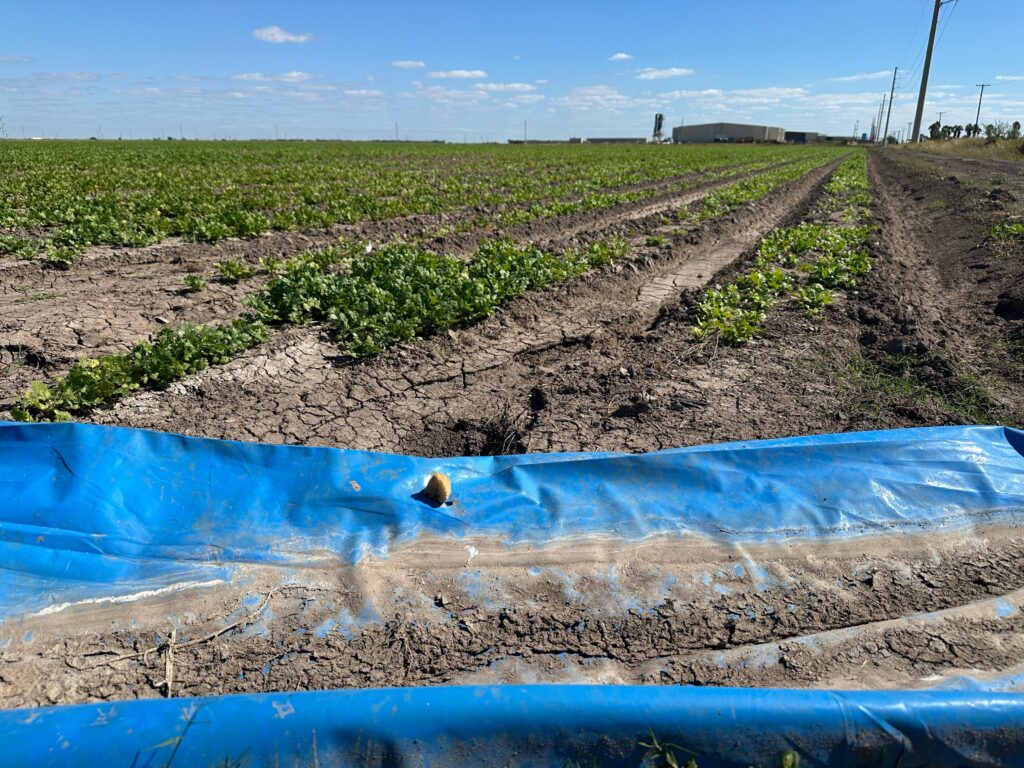
Photo Credit | Kristen Mosbrucker-Garza
Corpus Christi is months away from emergency restrictions. Water shortages have crippled agriculture in the Valley. Texas is running out of water.
This spring, the state estimated the cost of avoiding a severe water crisis at $174 billion.
Funding that the state’s already approved and the crisis have led to a glut of water projects in Texas.
“It is a gold rush. And it’s hard,” Earl said. “You’ve gotta have a plan. If you don’t have a plan, you’re wasting your money.”
Earl wants the council to help entities plan efficiently and long term.
“These water projects can’t be flipped on overnight,” he said. “They take years and years to plan and design and fund to make sure they’re meaningful and good.”
To buy into the South Texas Water Supply Council, Hidalgo County agreed to pay $5,000.
That gives it the right to take a council seat, receive funding assistance and plan.
The county — and any subsequent members – could fork over more money to pursue studies or water supply projects.
According to Earl, the nascent council planned to speak with the city of McAllen last week and has been in talks with Webb County, though it plans to add more members.

Matt Wilson
Reporter
Matt Wilson is a Hidalgo County–based freelance reporter and contributor to the Rio Grande Valley Business Journal. He previously covered education and general assignment for The Monitor, frequently writing about the dramatic ways business changed during the coronavirus pandemic. Before that he worked as a reporter in rural Central Texas where he covered everything from house fires to school board meetings.
Most Read
- SpaceX’s futuristic city of Starbase finalizes massive 7,100-acre annexation. Here’s what we know.
- 25 Mexican businesses eye McAllen expansion after city pitches U.S. market entry program
- Australian company plans to build a $607M lithium refinery at the Port of Brownsville. It’s a big bet on America’s battery future
- Starbase cancels meeting to consider annexing 444 acres relinquished by Brownsville
- SpaceX reschedules Starship’s first flight around the Earth
Get the latest business news delivered to your inbox every morning for free.
Try 30 Days Free!
Get full access to award-winning journalism covering business, real estate, health care, economic trends, and the people shaping the Rio Grande Valley.
30 Days Free!
$9.95/month
Limited time offer
Subscription renews after your 30 day free trial at $9.95/mo.
Included Benefits
- Unlimited access to all articles
- Daily business news and analysis
- Subscriber-only content and features
Stories That Matter
- Dickey’s Barbecue Pit to open new McAllen location inside Cambria Hotel
- NADBank opens $300M financing pipeline for water, energy projects along the border
- Is SpaceX quietly building a data center at Starbase? Job postings offer clues
- Engineering firm Garver opens $5M Harlingen office, plans up to 50 new jobs
- Mission’s first Small Business Expo puts $25K on the line for local entrepreneurs
- McCoy’s gives $10K, tools to launch Mid-Valley construction academy
- UT Health RGV performs new digestive procedure for first time in the Valley
- TSTC bets on advanced manufacturing to meet RGV’s industrial boom
- Pharr’s cross-border business push earns international recognition
- Brownsville eases drought restrictions after nearly three years as Rio Grande reservoir levels improve