By Anayancy Ulloa and Kristen Mosbrucker-Garza
Cartel-related highway blockades in Mexico briefly slowed activity in Reynosa, disrupted cargo routes, and rattled cross-border logistics, though international bridges remained open and operations resumed by Monday.
A major highway leading to an industrial park on the north side of Reynosa, Tamaulipas, had significantly less traffic Monday afternoon as some maquiladoras paused operations while others continued as usual.
A Rio Grande Valley Business Journal contributor drove through the Mexican border city Monday following widespread unrest that erupted Sunday after the killing of Jalisco New Generation Cartel leader Nemesio Rubén “El Mencho” Oseguera Cervantes.
The violence, which spread across multiple states, including Tamaulipas, was marked by roadway blockades and arson at gas stations.
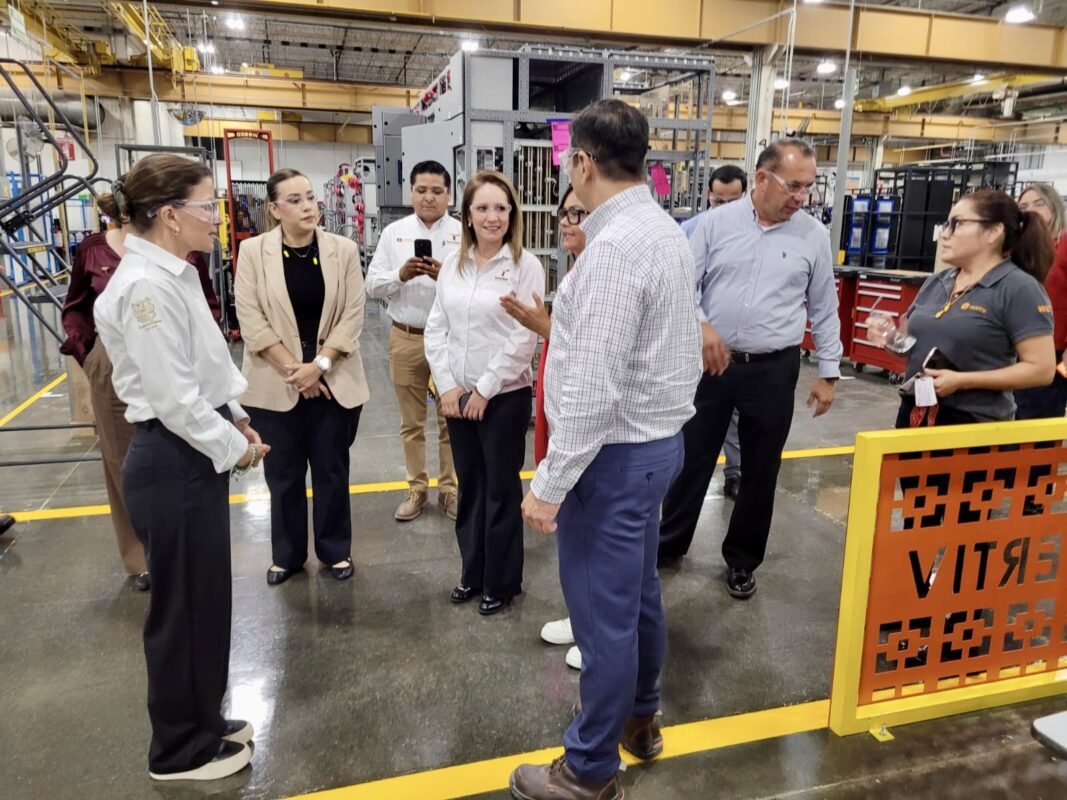
In Reynosa, a maquiladora transport driver reported reduced activity at Panasonic facilities in Parque Industrial Reynosa and Parque Industrial del Norte.
According to internal communications, Panasonic Automotive Systems Reynosa canceled its second shift Sunday and first shift Monday. Indirect personnel worked remotely.
No widespread shutdown has been reported in the local manufacturing sector.
Sunday’s unrest
Although the cartel violence was centered more than eight hours away, blockades stretched into Reynosa and other parts of Tamaulipas over the weekend.
Mexican officials said they removed 23 roadblocks across Reynosa, Camargo, and Miguel Alemán, with most incidents concentrated in five northern municipalities.
Tamaulipas Gov. Américo Villarreal Anaya said during a Monday press conference in Ciudad Victoria that 36 criminal incidents were recorded, including nine cargo transport blockades.
“Of those nine, in five cases vehicles were set on fire; the others involved roadway blockages,” he said.
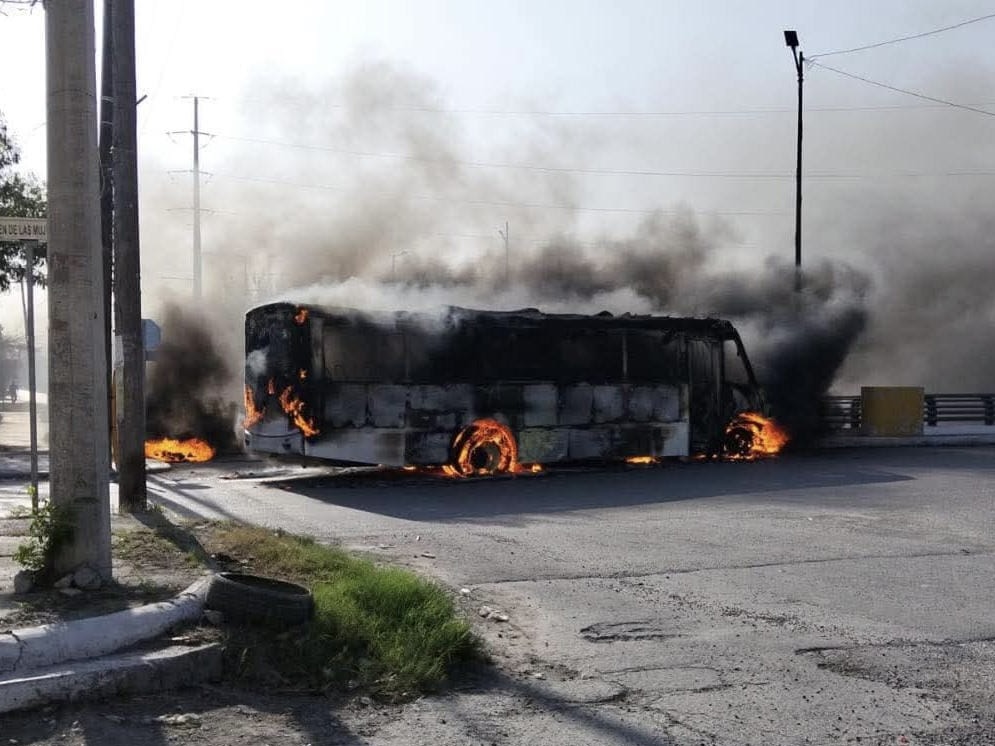
Courtesy of | El Mañana de Reynosa
The remaining incidents involved tire spikes and other roadway obstructions. He said objects used to damage tires were quickly removed and that blockades were contained the same day through coordinated security operations.
The governor said the initial alert was recorded at 8:32 a.m., primarily in Reynosa, triggering monitoring by state and federal authorities.
“By midday, everything was already coordinated through the Tamaulipas Security and Peace Task Force,” he said.
Monitoring was carried out through the state’s C5 camera system in coordination with the Mexican Army, National Guard, and State Guard.
“By yesterday afternoon, there were no remaining conditions,” he said. “Presence was reinforced.”
No arrests yet, investigations ongoing
The governor said no arrests have been made so far, though investigations remain active.
“Case files have been opened and there is evidence from the surveillance systems,” he said.
Authorities have seized vehicles, weapons, and tactical equipment and identified units used by suspected perpetrators.
The governor linked the incidents to disputes between criminal groups operating in the border region.
He urged the public to avoid misinformation on social media and rely only on official sources.
“We ask the public to stay attentive to official communications,” he said.
After evaluating the situation, authorities determined it was not necessary to suspend normal daily activities in the region.
Commercial activity resumes
Commercial activity in Reynosa resumed Monday after authorities cleared the blockades, according to the local National Chamber of Commerce (CANACO).
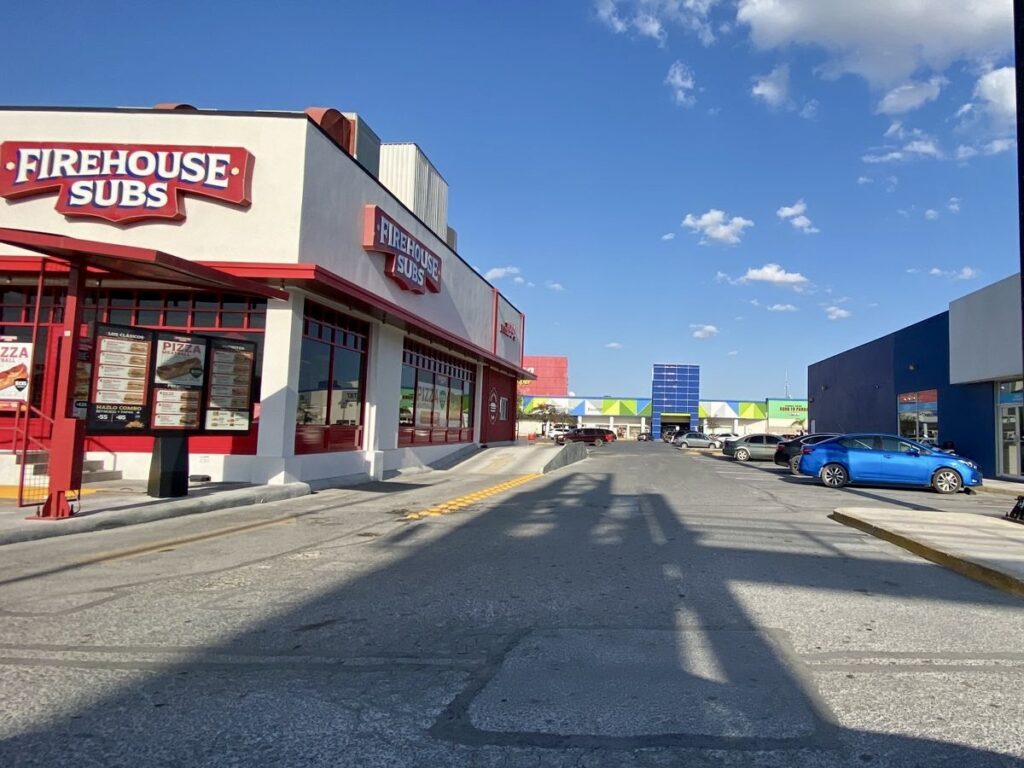
Photo Credit | Anayancy Ulloa
During peak disruption hours, businesses reported delayed openings, supply chain disruptions, customer traffic declines of up to 60%, and cancellations of entertainment and cultural events.
Canaco Reynosa President Gildardo López Hinojosa said Monday operations had normalized.
“We recognize the authorities’ intervention to restore mobility. Today the city is operating normally,” he said.
A restaurant owner along one of Reynosa’s main avenues, who requested anonymity, said the business closed about 5 p.m. Sunday amid uncertainty caused by blockades near the Valle Alto area along Hidalgo Boulevard.
The closure resulted in the total loss of the day.
The small business owner warned that incidents like this have an immediate impact, not only due to lost same-day sales but because customers often remain cautious in the days that follow.
Still, the restaurant resumed normal operations Monday at noon.
Trade and logistics impact
Mexican President Claudia Sheinbaum said roadblocks had been removed across Mexico.
“We are in a completely new situation with no blockades. The main roads have been cleared, and the points that remain affected are under operational control,” she said, referring to the removal of 85 blockades, about 18 of which were in Jalisco.
Roadblocks are a significant impediment to cross-border trade.
South Texas College economist Teo Sepulveda said businesses often err on the side of caution when cartel violence erupts.
“That’s a very tough one for businesses to deal with when there’s blockages on the Mexican side,” Sepulveda said. “Whenever there’s blockages, it usually has something to do with some type of conflict within the cartels, and the general rule is that you have to postpone everything. Usually, they’re not going to last more than a week.”
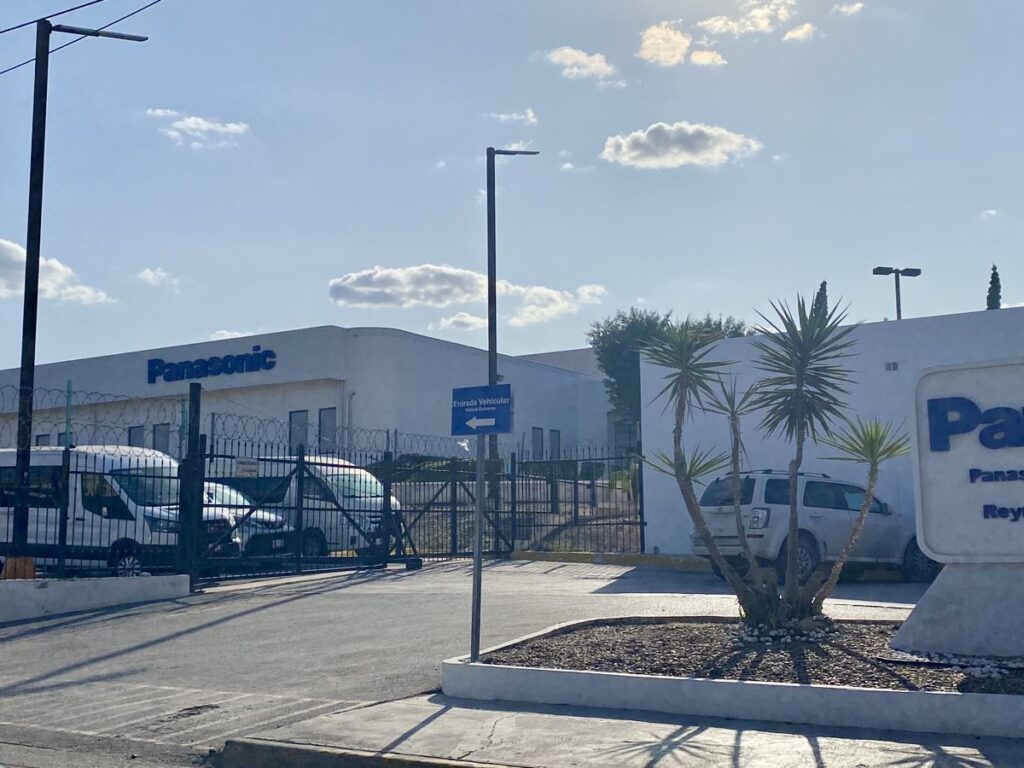
Photo Credit | Anayancy Ulloa
Businesses frequently pause operations, deliveries, and warehouse access for several days, he said.
“It’s advisable to take about two to three days off to postpone. We should be OK because the problem was pretty much in central Mexico. Since they’re so far away, usually by the time it might be spreading up to the Northeast of Mexico, maybe the authorities have already been able to settle the matter,” Sepulveda said. “People outside of Mexico might be postponing some of the settlements trying to prevent sending goods for one or two days to an area where there could be a conflict.”
Highway blockades caused delays on state routes, including the Monterrey highway, San Fernando, and Padilla. A tanker truck was burned between San Fernando and Padilla.
Two units traveling from Tampico were delayed between two and three hours in Padilla and about two hours in San Fernando. More than 100 vehicles were stranded for periods ranging from one to two hours.
Sepulveda, who grew up in Monterrey, recalled heightened cartel activity in Nuevo León between 2008 and 2012. His family advised him to remain in the Rio Grande Valley and avoid travel for at least two years.
“Today, he’s like go ahead [travel to Monterrey] no problem,” he said. This week, he said, the message remains similar, though he plans to delay travel for at least a week.
He said he expects cartel-related tensions to subside, particularly ahead of the FIFA World Cup beginning in June, with games scheduled in Monterrey and Mexico City.
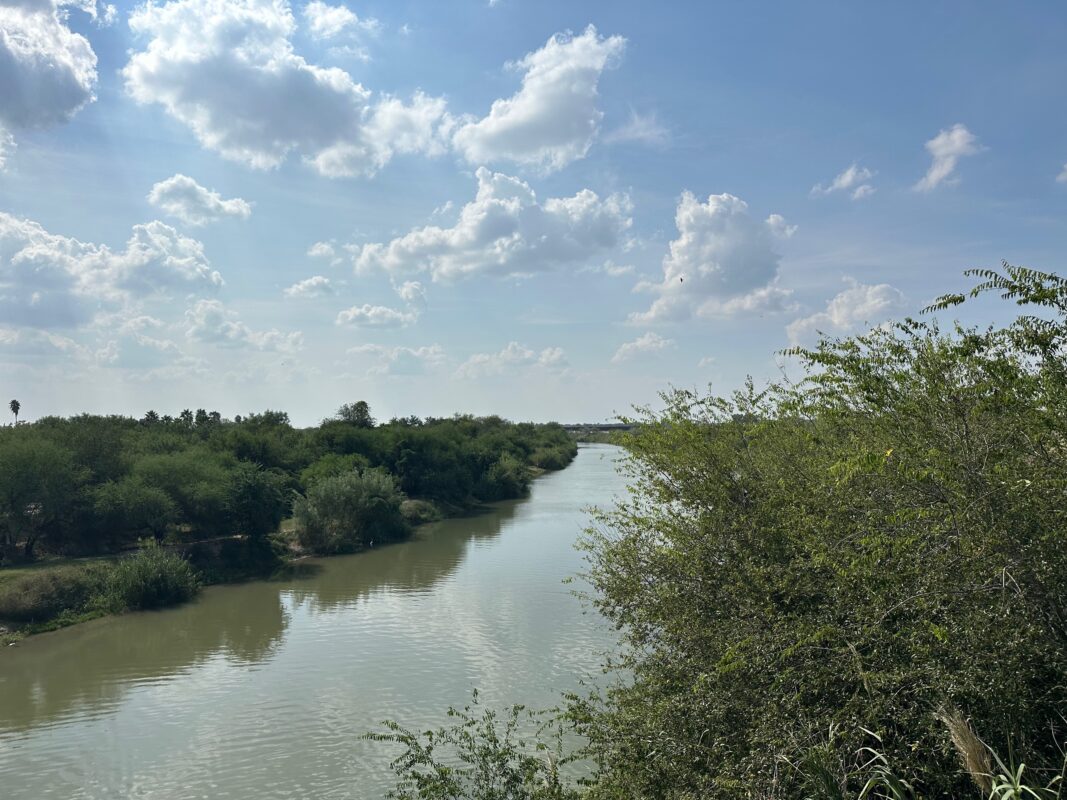
International bridges remain open
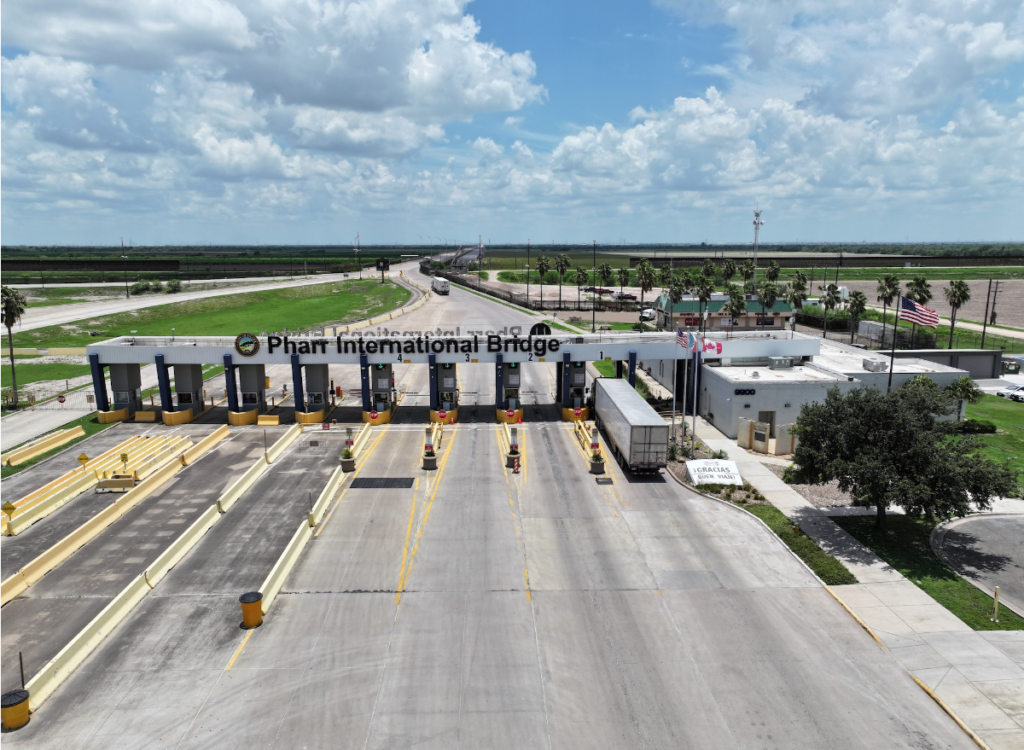
Sepulveda expects international bridge traffic to be lighter than usual.
Courtesy of | City of Pharr
Officials with the Pharr International Bridge and Anzalduas International Bridge declined to comment.
Cameron County, which owns most bridges connecting Brownsville and Matamoros, said there was no impact to bridges Monday.
The Gateway International Bridge in Brownsville experienced a temporary closure for an unrelated purpose but reopened minutes later.
Commercial crossings through the Pharr-Reynosa International Bridge remained normal despite Sunday’s incidents, according to a transport operator. A truck bound for Querétaro traveled without incident along the San Fernando route Monday.
Agriculture and trade concerns
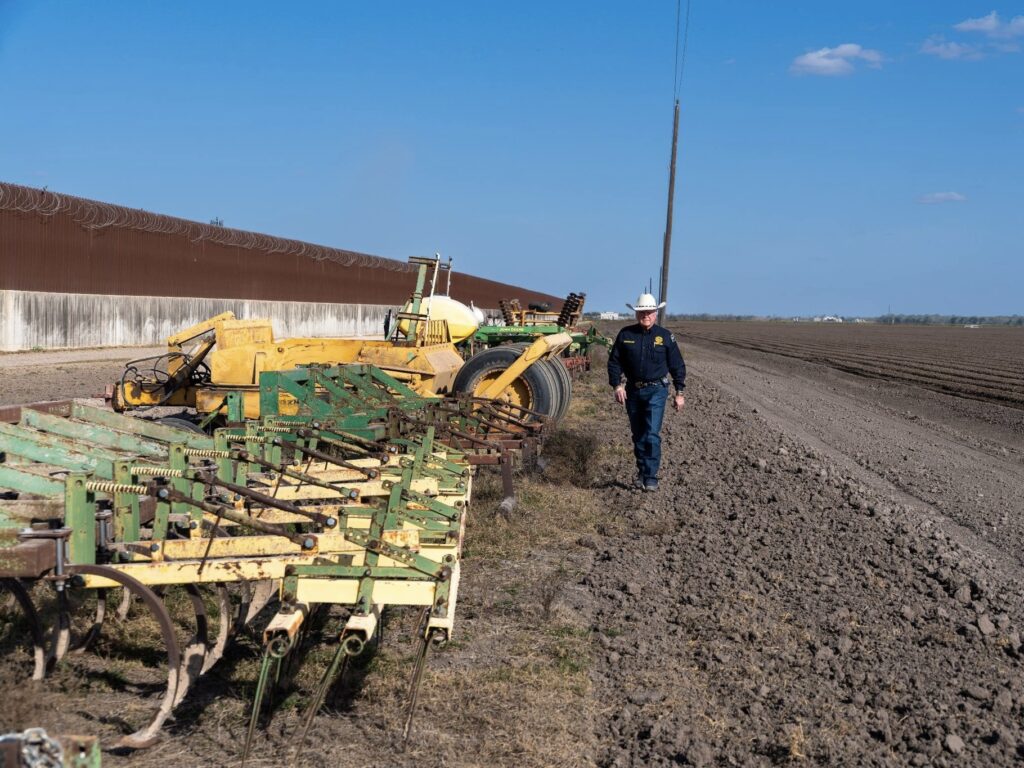
Texas Agriculture Commissioner Sid Miller visited San Juan Monday and criticized cartels across Mexico and South America and their impact on farmers.
“These groups undermine legitimate governments, terrorize rural communities, and destabilize trade systems. This is all critical to U.S. agriculture,” Miller said. “Cartel-controlled agriculture in Mexico and South America directly harms U.S. producers.”
Courtesy of | Texas Department of Agriculture
He said cartels have manipulated the agricultural market.
“Cartels have infiltrated and controlled fertilizer distribution, seed supply, trucking routes, packing houses, and export corridors,” Miller said. “Farmers in cartel-controlled regions are forced to pay protection fees, grow cartel-preferred crops, and use cartel-approved transporters. This creates artificial market manipulation, unfair competition, and supply instability.”
Miller said safety is “vital because a lot of our farmers don’t just farm on the Texas side.”
They farm on both sides of the Rio Grande, he said.
“We plant crops one season over here, one season in Mexico. We have cattle ranchers back and forth,” the Texas agriculture commissioner said. “Mexico is one of our best trading partners. This disrupts trade, family travel, and safety, and it needs to stop.”

RGV Business Journal Staff
Staff
Most Read
- How much water does SpaceX need to operate near Brownsville? Nearly 20x its current use
- Could apartment-to-condo conversion help make $100K homeownership in the McAllen metro more affordable? One investor says yes.
- SpaceX’s futuristic city of Starbase finalizes massive 7,100-acre annexation. Here’s what we know.
- Cameron County is negotiating a $20M Fluidstack data center donation after Harlingen waffles on the same offer
- Fluidstack breaks ground on $4 billion Cameron County AI data center
Get the latest business news delivered to your inbox every morning for free.
Try 30 Days Free!
Get full access to award-winning journalism covering business, real estate, health care, economic trends, and the people shaping the Rio Grande Valley.
30 Days Free!
$9.95/month
Limited time offer
Subscription renews after your 30 day free trial at $9.95/mo.
Included Benefits
- Unlimited access to all articles
- Daily business news and analysis
- Subscriber-only content and features
Stories That Matter
- These four projects are driving more than $41B in Cameron County investment
- Mission’s first Small Business Expo puts $25K on the line for local entrepreneurs
- Reynosa’s newest technical high school focuses on AI, semiconductors and bionics
- McCoy’s gives $10K, tools to launch Mid-Valley construction academy
- UT Health RGV performs new digestive procedure for first time in the Valley
- TSTC bets on advanced manufacturing to meet RGV’s industrial boom
- Pharr’s cross-border business push earns international recognition
- Brownsville eases drought restrictions after nearly three years as Rio Grande reservoir levels improve
- Texas A&M’s $53.5M McAllen research center will tackle water, food security and Valley health
- STC puts AI to work across 55 courses — from construction sites to car repair