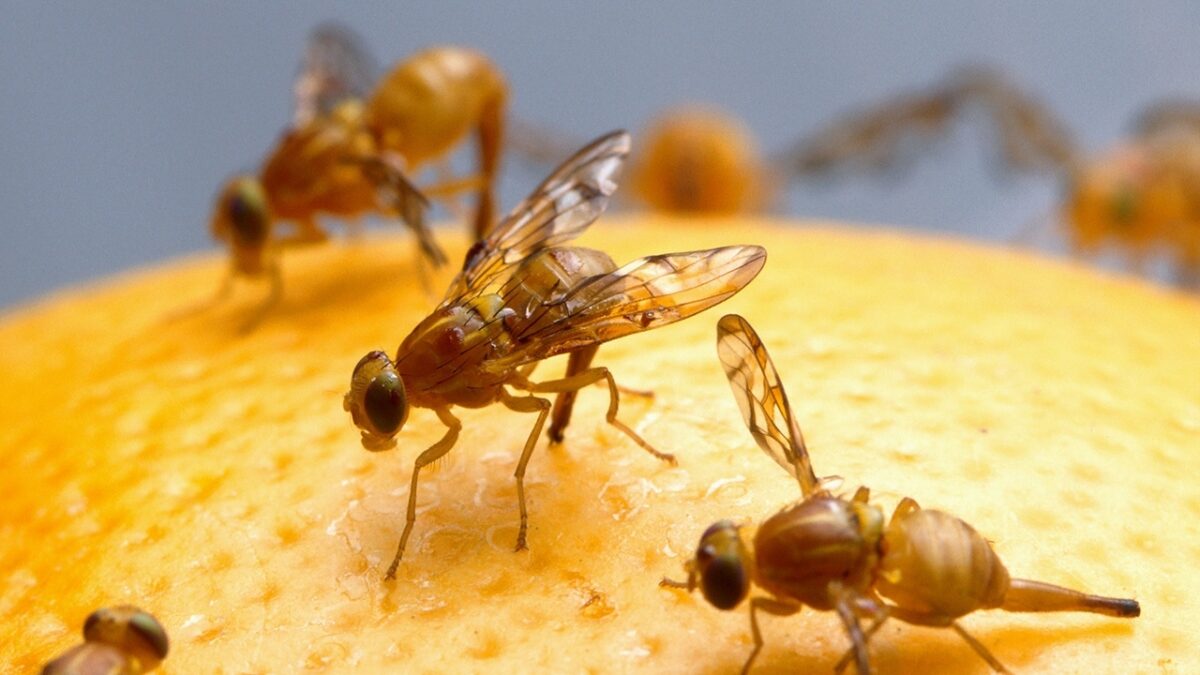
The detection of Mexican fruit flies in two places in the Rio Grande Valley last month prompted quarantines for over 1,000 acres of South Texas commercial citrus orchards.
The U.S. Department of Agriculture’s Animal Plant Health Inspection Service and the Texas Department of Agriculture established a quarantine in La Feria after the detection of one Mexican fruit fly larva in a grapefruit collected in a commercial grove there on Dec. 3.
The detection of another larva in sour orange collected on a residential property in Peñitas triggered another quarantine zone there.
The Peñitas quarantine now encompasses about 53.2 square miles that contain almost 224 acres of commercial citrus, while the La Feria quarantine encompasses about 124.2 square miles and almost 971 acres of commercial citrus.

Matt Wilson
Reporter
Trending News
- Cameron County set to acquire B&M Bridge, adding fourth international crossing to its network
- Rhodes Enterprises goes all-in with a $100 million bet on South Texas renters
- Breaking: Mission businessman, Hidalgo County appraisal board member killed
- McAllen sets sights on regional tourism with $230 million Boeye Reservoir development
- Mission ambulance company faces third bankruptcy, vows no disruption in services
Get the latest business news delivered to your inbox every morning for free.
Stories That Matter
- South Texas Health System opens neurological ICU in McAllen after $12M renovation
- Brownsville economic development leader named among Texas’ most influential figures
- DHR Health sets aggressive push to double kidney transplants after record year
- Texas National Bank acquiring Citizens State in Starr County
- UTRGV football debut energizes Valley, fuels estimated $14.5M economic boost
- Reynosa, Matamoros drive Tamaulipas workforce past 1.7 million
- The story behind the Rio Grande Valley Business Journal
- Tim Hortons adds 5th Reynosa store in 2 years
- Walmart returns to Reynosa a decade after fire shut its only store
- A rail shortcut from Monterrey to Florida is now connected to Brownsville, linking the RGV to global supply chains