University of Houston medical student Brendan Rosamond had never traveled south of San Antonio – until he visited the Rio Grande Valley in May, then again in June.
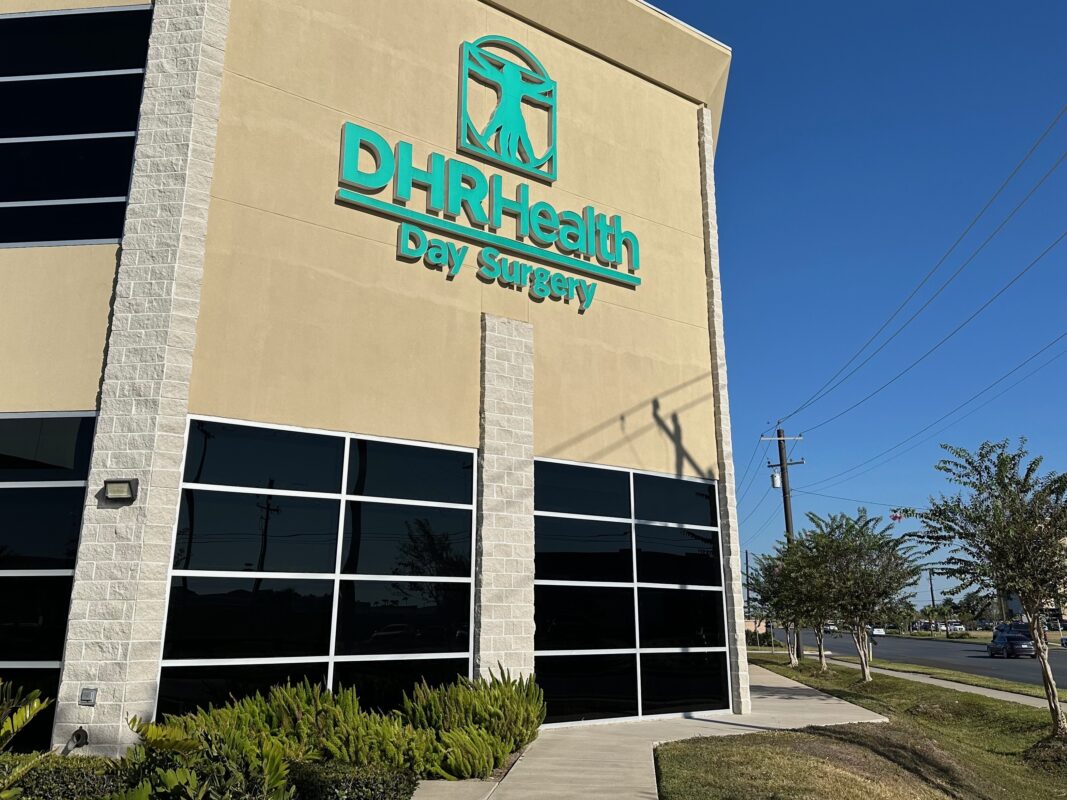
He’s one of a few students who have already done a medical school clinical rotation through a new partnership between the University of Houston Tilman J. Fertitta Family College of Medicine and Doctors Hospital at Renaissance.
Rosamond gained experience caring for Hispanic patients living along the Texas-Mexico border. While he doesn’t speak Spanish fluently, he wanted to work with a wide variety of patients to understand how he can become a better doctor someday.
“I wanted to get an experience in another community, to work with that population and understand what healthcare disparities and illnesses exist in the Valley,” Rosamond said. “Then (see) what a large healthcare system like DHR can do to work on those things.”
Experience with rural health care realities
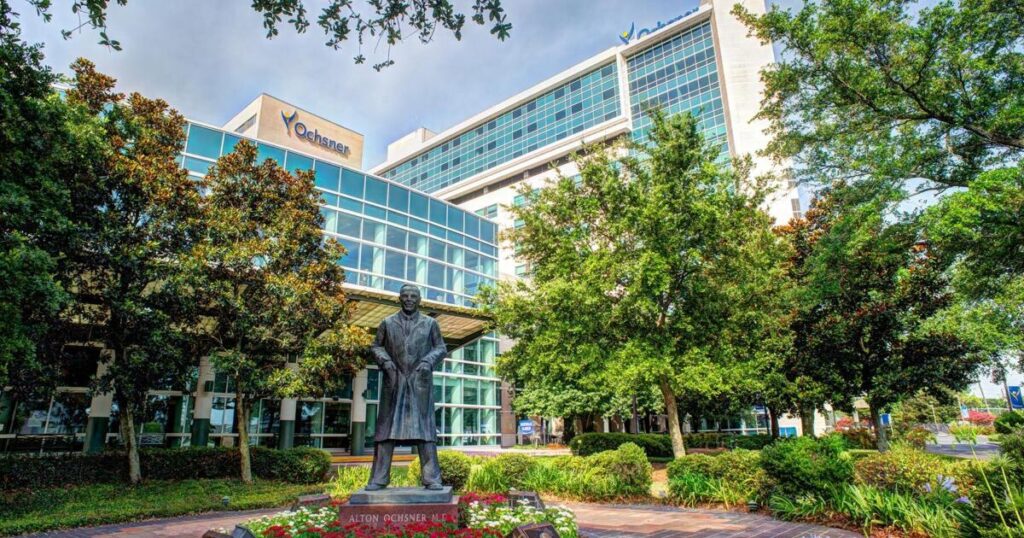
Rosamond is a native of Houma, Louisiana — a rural community located near the Gulf Coast and approximately an hour south of New Orleans — where bayous are plentiful and healthcare access is limited.
Courtesy of | OMC
“I saw a family that delayed [health] care because [they’d] have to drive all the way to Ochsner [Hospital] in New Orleans,” he said, highlighting how lack of transportation affects health care in rural communities.
People in rural communities often work on their land in the field, so missing out on a whole day for doctors’ appointments is a hard sell. Or they may travel frequently — whether in the oil and natural gas fields or offshore — and it can be challenging to squeeze in doctors’ visits.
In high school, Rosamond watched his mother battle stage four colon cancer after being diagnosed in her early 40s. That included medical treatments like chemotherapy or surgical removal of tumors, which had spread from her colon to her liver and lungs.
The medical emergency brought the family to Houston’s MD Anderson Cancer Center and inspired him to become a surgeon focused on rural healthcare access.
The road to becoming a surgeon is long – more than a decade of education in total.
He earned a bachelor’s degree from the University of Alabama, then worked as a pharmacy technician before applying to medical school and starting that journey in 2022. The first two years of medical school are mostly academic coursework.
During his third year of medical school, he began rotations in internal medicine, pediatrics, gynecology, and general surgery, and started interacting with patients in various hospitals.
Now in his fourth year, he’s been experiencing specialized clinical rotations.
A future public health surgeon
“I signed up specifically to go to the Valley for my advanced surgery rotations so I could work with those populations and learn from a new group of people. It’s part of our curriculum,” Rosamond said. “Within my first three days of working with the residents and surgical team at DHR, I just absolutely loved the hospital. They were great educators and really wanted to teach medical students, which is sometimes a little hard to find in medical education if you’re at a university program.”
He said he was impressed by the city of McAllen and enjoyed that there were so many community-centric events available.
And now, he’s gotten to see first-hand how surgical oncology, the same types of doctors who tried to help his mother put her cancer into remission years ago, work inside hospitals.
This year, he’s applying to residency, where he will eventually match with a hospital to continue his education and start getting paid for the 5-year stint to become a general surgeon. In May 2026, he’ll get a medical degree. He’s applying for residencies across the South, Midwest, and Southwest.
“If I choose a subspecialty, I can pursue a fellowship training. So if I wanted to work with patients like my mom and I wanted to do cancer surgery, I would pursue a fellowship in surgical oncology,” he said. “I want to continue training in the South. A big part of my future career plan is to become a surgeon-scientist — to do more work in public health alongside my clinical practice as a surgeon.”
For now, he’s doing a stint at a family medicine practice in Edna, Texas, a rural community between Victoria and Houston.
“When these ranchers are in cattle season or when the cotton season hits outside of Victoria, there’s no way you’re getting to the hospital [for medical care] because if you leave even for a day of work, that’s [work] not being done on your farm. Same with manufacturing jobs,” he said. “It’s difficult for these people [in rural communities] to get off work, and I think that’s something that in a city, where people are mostly working eight-to-five jobs, might not understand.”
As to whether he may return to the Rio Grande Valley once he becomes a surgeon, that’s up in the air.
A University of Houston regional campus
But local leaders are hoping the new deal will be more than just a medical research center — a pipeline.
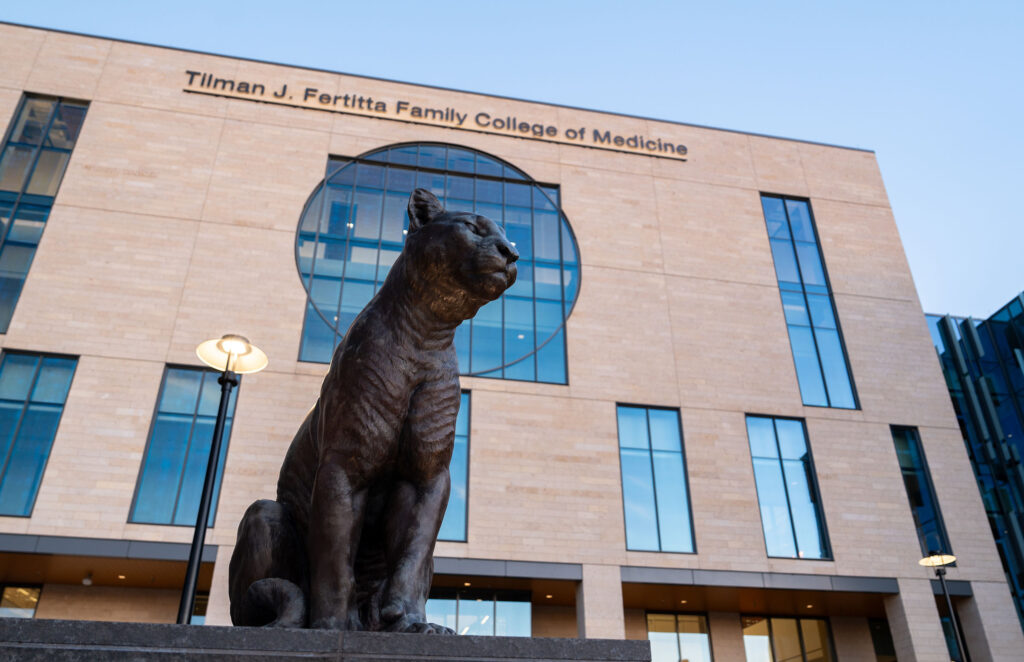
Alonzo Cantu, who oversees DHR, Cantu Construction, Lone Star National Bank, and a slew of other business ventures as a serial entrepreneur, is a regent at the University of Houston. He’s invested in rural healthcare, like specialty centers across from Starr County Memorial Hospital.
Courtesy of | University of Houston
The University of Houston has been in discussions with DHR for several years.
In 2017, the relationship between the University of Houston and Doctors Hospital at Renaissance began when the newly established College of Medicine and the hospital system created a satellite program for pharmacy education.
The deal includes an initial $15 million in state appropriation for undergraduate and graduate medical education, residents, and fellows.
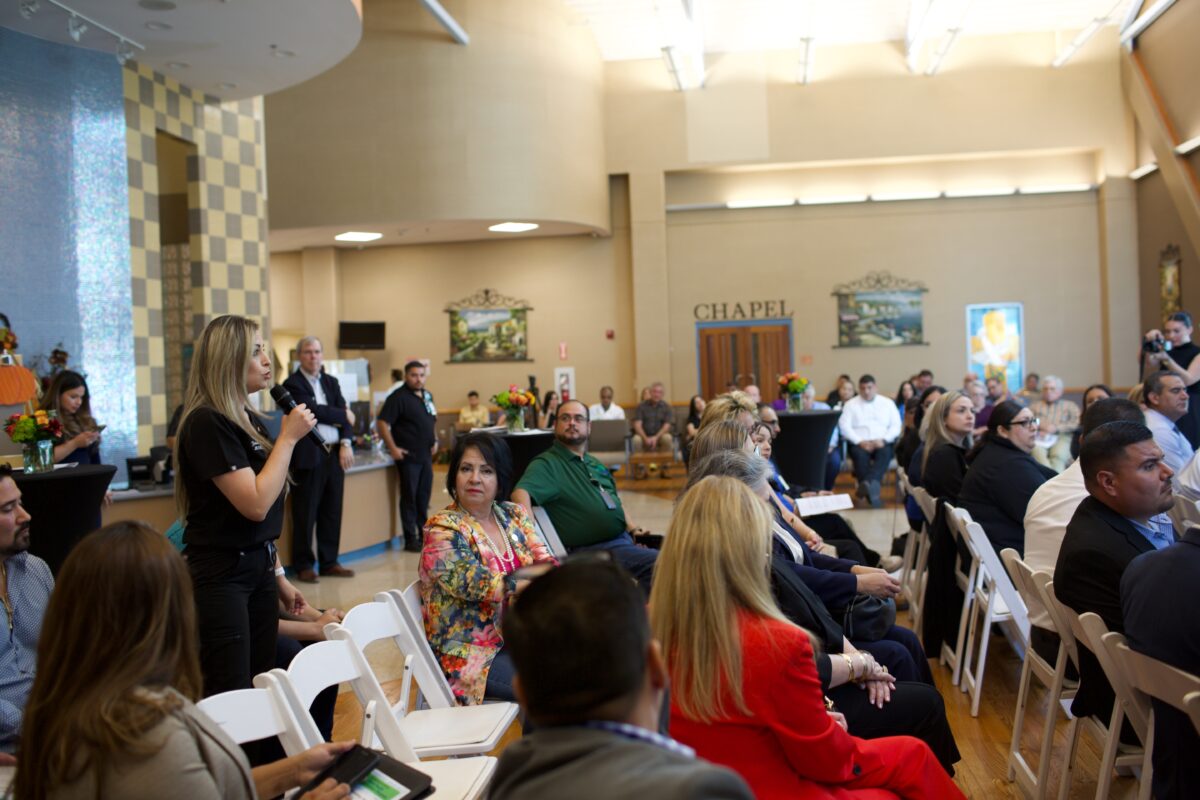
Beyond the affiliation agreement, there’s a separate deal to build a new medical education and research building adjacent to DHR’s campus in Edinburg as a ‘regional campus’ for the medical school.
The general concept is a four-story building that is expected to be fully funded after the 2027 legislative session, with an additional $15 million allocated to the project.
University of Houston officials expect to collaborate with DHR as it conducts clinical trials, such as diabetes research. One future area of research is dementia, a disease where Hispanic communities are disproportionately affected. Texans voted Tuesday to approve a statewide proposition that will create a fund for dementia research.
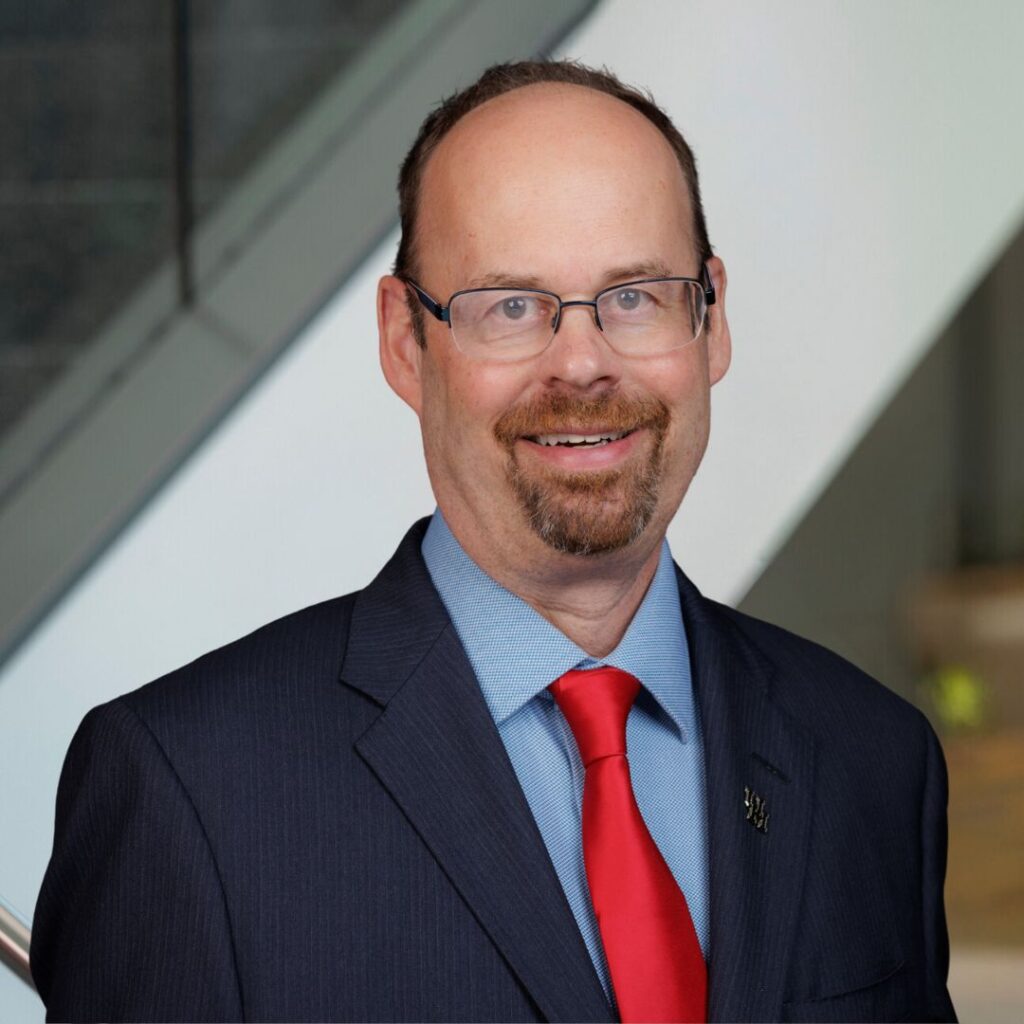
“I think this is really a win-win for the University of Houston and for DHR and the community DHR serves,” said Jonathan A. McCullers, University of Houston vice president of health affairs and dean of the Fertitta College of Medicine.
The school has about 60 students with plans to hit 120 in the next five years.
“We’re a new medical school, [so] we’re trying to expand our class size. The biggest barrier to be able to expand is having clinical sites where your students can rotate for their clinical clerkships. If you’re training in surgery or in internal medicine, you need hospital sites to do that,” McCullers said. “Here in Houston, there’s six medical schools fighting with each other for placement in the hospitals, so it’s very difficult for a new medical school to sort of break in.”
But this is not the first medical education agreement DHR has signed in the past decade.
A history of academic affiliations with DHR
In 2016, the University of Texas Rio Grande Valley and Doctors Hospital at Renaissance signed an affiliation agreement, enabling medical residents and fellows in the UTRGV School of Medicine to be taught by DHR doctors and conduct clinical research.
By 2022, Doctors Hospital at Renaissance had terminated its affiliation agreement with UTRGV for medical residents and fellows. DHR said at the time that it was concerned about UTRGV’s medical school’s provisional accreditation status, which UTRGV leaders disputed. UTRGV said it was worried about a mismatch in a collaboration between a for-profit hospital and a non-profit college of medicine.
Then, in March 2023, Texas A&M University School of Medicine and DHR signed an affiliation agreement for medical residency and fellowship programs, as well as for clinical research. But by June 2023, the Texas A&M-DHR deal was abruptly canceled.
Still, McCullers was confident about the deal’s potential.
“We’re a very community-facing medical school. We’re trying to train students to serve the underserved with value-based care, and we really want to serve the state of Texas,” McCullers said. “Having a second area where we can do clinical work, I think, is a very good fit for us. [The students] are getting a great education being down there in the Valley. This is one way they can have some of their clinical training, maybe [students] from the Valley, and they maybe go back [to the RGV] for some of their clinical training, and then maybe go into the residency program and either work at the hospital or in primary care.”
Starting in March 2026, the University expects to send about six students per month to DHR.
“We hope that in over five years to get that up to maybe 25 to 30 [medical students] per year doing their training in the Valley,” he said.

Kristen Mosbrucker-Garza
Reporter
Kristen Mosbrucker-Garza is a versatile multimedia news reporter who lives and works along the Texas-Mexico border in Hidalgo County. Mosbrucker-Garza is a news reporter for the Rio Grande Valley Business Journal. During her career she's worked for the McAllen Monitor, San Antonio Business Journal, The Advocate Newspaper in Louisiana, Phoenix New Times, and public media outlets in Baltimore and Philadelphia.
Most Read
- SpaceX is giving Brownsville $220M for water projects. In exchange, the city gave up zoning control of 444 acres near Starbase
- SpaceX seeks to take zoning control over nearly 450 acres from city of Brownsville as a ‘regional’ water deal takes shape
- Port of Brownsville could soon host Nodule City, a first-of-its-kind commercial deep-sea mining hub
- Cameron County is negotiating a $20M Fluidstack data center donation after Harlingen waffles on the same offer
- How much water does SpaceX need to operate near Brownsville? Nearly 20x its current use
Get the latest business news delivered to your inbox every morning for free.
Try 30 Days Free!
Get full access to award-winning journalism covering business, real estate, health care, economic trends, and the people shaping the Rio Grande Valley.
30 Days Free!
$9.95/month
Limited time offer
Subscription renews after your 30 day free trial at $9.95/mo.
Included Benefits
- Unlimited access to all articles
- Daily business news and analysis
- Subscriber-only content and features
Stories That Matter
- McAllen’s $204M water investment expects to seek construction bids in 2027
- Saronic lands Navy landing craft contract, first build at Brownsville’s Port Alpha
- The Rio Grande Valley’s tech industry is small but growing — meet some of the next-gen workforce
- Entrepreneurs enter Mission EDC’s ‘Shark Tank’ competition for $25K top prize
- Mission’s first Small Business Expo puts $25K on the line for local entrepreneurs
- Reynosa’s newest technical high school focuses on AI, semiconductors and bionics
- McCoy’s gives $10K, tools to launch Mid-Valley construction academy
- UT Health RGV performs new digestive procedure for first time in the Valley
- TSTC bets on advanced manufacturing to meet RGV’s industrial boom
- SpaceX reschedules Starship’s first flight around the Earth