In 1968 41-year-old Gregoria Castillo, a farm worker from Pleasanton, checked into the Santa Rosa Medical Center in San Antonio and quickly lapsed into a coma.
The mother of two had been working in a field a couple weeks earlier and gotten a nosebleed.
The nosebleeds kept recurring. Doctors were unable to stop them.
In San Antonio, doctors finally learned the gruesome cause of Castillo’s nosebleeds: screwworms.
A fly, doctors speculated, had likely laid its eggs in or near Castillo’s nose or mouth, hatching into larvae that began to feed on the walls of her respiratory tract.
Doctors could do little to help Castillo or hurt the worms. One told the press that “any drug strong enough to kill the worms would probably kill Castillo.”
Within a day Castillo died.
While relatively rare compared to cases in animals, screwworm infestations in humans are possible and with the pest once again in Texas, it could impact the health of Rio Grande Valley residents.
Last week, the U.S. Department of Agriculture confirmed two cases in South Texas.
In 2024 Costa Rica reported its first death attributed to screwworms since at least the 1990s.
Last August a person who had traveled to El Salvador was diagnosed with a screwworm infestation after returning to the United States — the first human case of screwworms in America in years.
Local health officials say they’re prepared for the threat.
“We are monitoring. We have very excellent systems with all of our partners as well,” Dr. Emilie Prot, regional medical director with the Texas State Department of Health, previously told the Rio Grande Valley Business Journal.
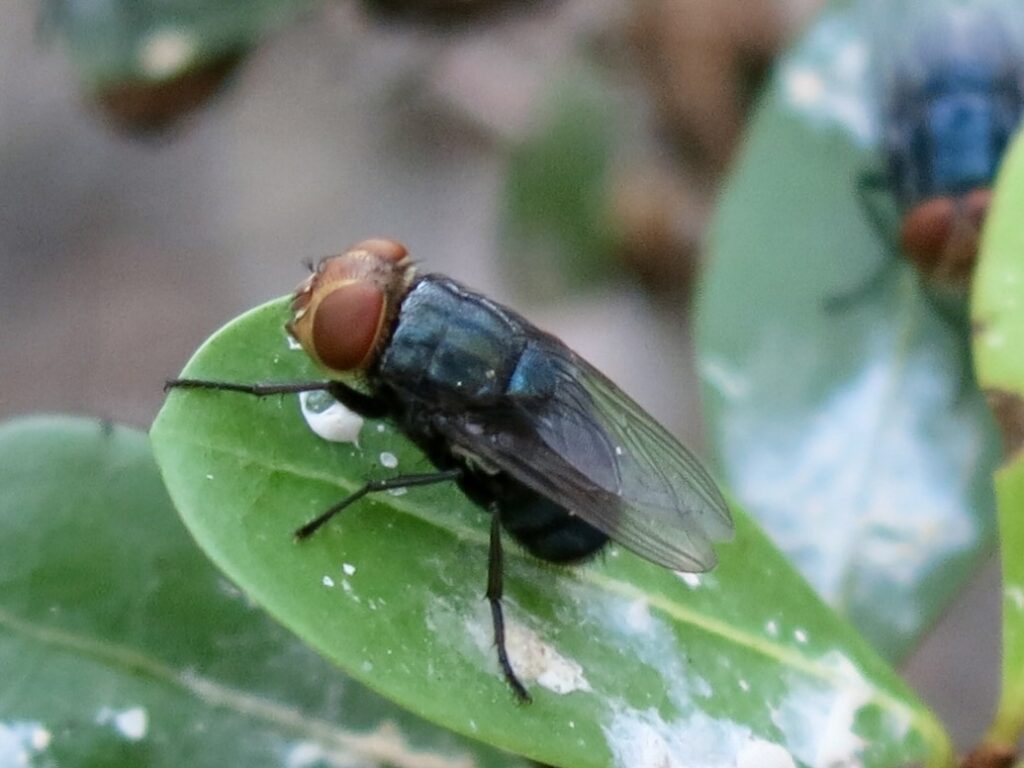
Courtesy of | U.S. Department of Agriculture
South Texas hasn’t had locally acquired screwworm cases in decades — possibly since 1972 — and even when screwworms were a common pest in the Rio Grande Valley, its impact on humans wasn’t always well understood.
When Castillo died, for example, experts described her infestation as incredibly rare.
They quickly changed their tune, saying they had found documentation that pointed to 55 cases of screwworms in people during a significant outbreak in 1935 before eradication efforts for the pest began. Most of those cases were in Texas.
Dr. S.C. Gartman, who at the time was program director of the Southwest Screwworm Eradication Center in Mission and an expert in the field, described cases as likely underreported and relatively common in the Valley before the pests eradication.
Prot described screwworms as “largely an animal concern,” which is also how Hidalgo County Lead Epidemiologist Amy Gonzalez described the pest.
“We may encounter a couple cases here or there,” she said. “They may not be as severe as what we see in the animals, where they’re basically being eaten alive for the most part.”
Prot and Gonzalez both said their offices have been educating people in the area about the health risks of screwworms.
On the whole, Gonzalez said she’s optimistic about efforts to control the pest in livestock and animals, mitigating the risk to people in the Valley.
She anticipates isolated human cases if screwworms arrive in the Valley. Clusters of infestations are possible, Gonzalez said, though it would be unlikely for infestations to become widespread through a community.
“For the humans, for the most part, we know there’s a potential there but it’s nothing nearly as close to what the animals may be facing,” she said.
Healthy people infected with screwworms, Gonzalez said, will probably notice it.
She says there will be a burning sensation and that the health outlook is good.
Some people in the Valley, however, will be at greater risk of being more severely impacted by screwworms, specifically diabetics.
Diabetics can develop diabetic neuropathy, nerve damage that can deaden their sensation.
Gonzalez says those people could be infested with screwworms and not even notice.
“They won’t feel it,” Gonzalez said. “They won’t know they have it until it’s really bad and somebody else notices it, and by then they have to chop off their leg or they have to undergo surgery.”
Experts estimate about a third of people in the Valley are diabetic, which Gonzalez says makes detecting possible infestations early particularly important locally.
For diabetics, Gonzalez recommends daily checks for screwworms in cuts and wounds.
Prot said people who travel to places where screwworms have been confirmed, who spend a lot of time outside, who work with animals or who live near animals should take precautions outdoors: they should wear long sleeves and socks, cover wounds, and use EPA approved insecticide — preferably with deet.
People whose window screens are missing or ripped should probably replace them.
“Sleeping indoors and having no access to flies that come indoors will be very helpful to you,” Prot said.
If doctors do recognize wounds on a person with larvae or maggots, they should contact their local health department, which will facilitate testing and identification, Prot said.
“It’s important to do it in the correct manner to not spread any larvae,” she said, noting suspected larvae should be put into an alcohol solution before being submitted for testing and that additional larvae should be disposed of in a sealed container with alcohol, according to waste disposal procedures.

Matt Wilson
Reporter
Most Read
- SpaceX is giving Brownsville $220M for water projects. In exchange, the city gave up zoning control of 444 acres near Starbase
- SpaceX seeks to take zoning control over nearly 450 acres from city of Brownsville as a ‘regional’ water deal takes shape
- Port of Brownsville could soon host Nodule City, a first-of-its-kind commercial deep-sea mining hub
- Cameron County is negotiating a $20M Fluidstack data center donation after Harlingen waffles on the same offer
- How much water does SpaceX need to operate near Brownsville? Nearly 20x its current use
Get the latest business news delivered to your inbox every morning for free.
Try 30 Days Free!
Get full access to award-winning journalism covering business, real estate, health care, economic trends, and the people shaping the Rio Grande Valley.
30 Days Free!
$9.95/month
Limited time offer
Subscription renews after your 30 day free trial at $9.95/mo.
Included Benefits
- Unlimited access to all articles
- Daily business news and analysis
- Subscriber-only content and features
Stories That Matter
- McAllen’s $204M water investment expects to seek construction bids in 2027
- Saronic lands Navy landing craft contract, first build at Brownsville’s Port Alpha
- The Rio Grande Valley’s tech industry is small but growing — meet some of the next-gen workforce
- Entrepreneurs enter Mission EDC’s ‘Shark Tank’ competition for $25K top prize
- Mission’s first Small Business Expo puts $25K on the line for local entrepreneurs
- Reynosa’s newest technical high school focuses on AI, semiconductors and bionics
- McCoy’s gives $10K, tools to launch Mid-Valley construction academy
- UT Health RGV performs new digestive procedure for first time in the Valley
- TSTC bets on advanced manufacturing to meet RGV’s industrial boom
- SpaceX reschedules Starship’s first flight around the Earth