En 1968, Gregoria Castillo, una trabajadora agrícola de Pleasanton de 41 años, ingresó en el Centro Médico Santa Rosa de San Antonio y rápidamente entró en coma.
La madre de dos hijos había estado trabajando en un campo un par de semanas antes y le había sangrado la nariz.
Las hemorragias nasales seguían reapareciendo. Los médicos no lograban detenerlas.
En San Antonio, los médicos finalmente descubrieron la espantosa causa de las hemorragias nasales de Castillo: los gusanos de la carne.
Los médicos especularon que, probablemente, una mosca había puesto sus huevos dentro o cerca de la nariz o la boca de Castillo, y que de ellos habían nacido larvas que comenzaron a alimentarse de las paredes de su tracto respiratorio.
Los médicos no podían hacer gran cosa para ayudar a Castillo ni para eliminar a los parásitos. Uno de ellos declaró a la prensa que «cualquier medicamento lo suficientemente fuerte como para matar a los parásitos probablemente mataría a Castillo».
Al cabo de un día, Castillo falleció.
Aunque son relativamente poco frecuentes en comparación con los casos en animales, las infestaciones por el gusano barrenador en humanos son posibles y, dado que esta plaga ha vuelto a aparecer en Texas, podría afectar la salud de los residentes del Valle del Río Grande.
La semana pasada, el Departamento de Agricultura de EE. UU. confirmó dos casos en el sur de Texas.
En 2024, Costa Rica reportó su primera muerte atribuida a los gusanos barrenadores desde, al menos, la década de 1990.
El pasado agosto, a una persona que había viajado a El Salvador se le diagnosticó una infestación por gusanos barrenadores tras regresar a Estados Unidos; se trata del primer caso humano de gusanos barrenadores en América en años.
Las autoridades sanitarias locales afirman que están preparadas para hacer frente a la amenaza.
“Estamos vigilando la situación. Además, contamos con sistemas excelentes en colaboración con todos nuestros socios”, declaró anteriormente la Dra. Emilie Prot, directora médica regional del Departamento de Salud del Estado de Texas, al Rio Grande Valley Business Journal.
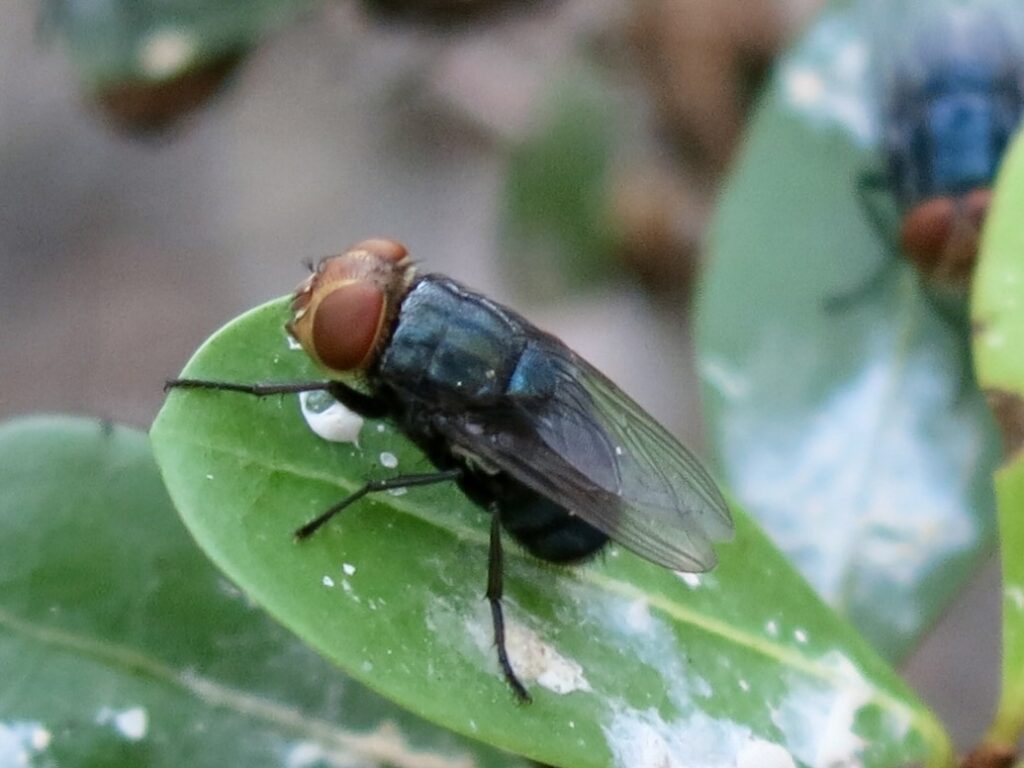
Cortesía de | Departamento de Agricultura de EE. UU.
El sur de Texas no ha tenido casos de gusano barrenador de origen local en décadas —posiblemente desde 1972— y, aun cuando los gusanos barrenadores eran una plaga común en el Valle del Río Grande, su impacto en los seres humanos no siempre se comprendía bien.
Cuando murió Castillo, por ejemplo, los expertos describieron su infestación como algo increíblemente raro.
Rápidamente cambiaron de opinión, afirmando que habían encontrado documentación que indicaba 55 casos de gusanos de la carne en personas durante un brote importante en 1935, antes de que comenzaran los esfuerzos para erradicar la plaga. La mayoría de esos casos se registraron en Texas.
El Dr. S.C. Gartman, quien en ese momento era director de programas del Centro de Erradicación del Gusano de Tala del Suroeste, en Mission, y experto en la materia, señaló que probablemente los casos no se reportaban en su totalidad y que eran relativamente comunes en el Valle antes de la erradicación de la plaga.
Prot describió a los gusanos de la carne como «un problema que afecta principalmente a los animales», y así fue también como Amy González, epidemióloga principal del condado de Hidalgo, describió a esta plaga.
«Es posible que nos encontremos con un par de casos aquí y allá», dijo. «Quizás no sean tan graves como los que vemos en los animales, a quienes, en su mayor parte, prácticamente se los comen vivos».
Tanto Prot como González dijeron que sus oficinas han estado informando a la gente de la zona sobre los riesgos para la salud que representan los gusanos de la carne.
En general, González dijo que se siente optimista respecto a los esfuerzos para controlar la plaga en el ganado y los animales, lo que mitigaría el riesgo para la población del Valle.
Ella prevé que se den casos aislados en humanos si las moscas de la carne llegan al Valle. Según González, es posible que se produzcan focos de infestación, aunque sería poco probable que estas se extendieran por toda una comunidad.
«En el caso de los humanos, en general, sabemos que existe ese potencial, pero no se acerca ni de lejos a lo que los animales podrían estar enfrentando», dijo.
Las personas sanas infectadas con gusanos de la carne, dijo González, probablemente lo notarán.
Ella dice que habrá una sensación de ardor y que el pronóstico de salud es bueno.
Sin embargo, algunas personas del Valle correrán un mayor riesgo de sufrir consecuencias más graves a causa de los gusanos barrenadores, en particular las personas con diabetes.
Las personas con diabetes pueden desarrollar neuropatía diabética, un daño en los nervios que puede provocar una pérdida de sensibilidad.
González dice que esas personas podrían estar infestadas de gusanos barrenadores y ni siquiera darse cuenta.
«No lo van a sentir», dijo González. «No se darán cuenta de que lo tienen hasta que la situación se agrave mucho y alguien más se dé cuenta, y para entonces ya tendrán que amputarse la pierna o someterse a una cirugía».
Los expertos calculan que aproximadamente un tercio de la población del Valle padece diabetes, lo que, según González, hace que la detección temprana de posibles infestaciones sea particularmente importante a nivel local.
Para las personas con diabetes, González recomienda revisar diariamente si hay gusanos de la carne en los cortes y las heridas.
Prot señaló que las personas que viajen a lugares donde se haya confirmado la presencia de la mosca barrenadora, que pasen mucho tiempo al aire libre, que trabajen con animales o que vivan cerca de ellos deben tomar precauciones cuando estén al aire libre: deben usar ropa de manga larga y calcetines, cubrirse las heridas y utilizar un insecticida aprobado por la EPA —preferiblemente con DEET—.
Las personas a quienes les falten las mosquiteras de las ventanas o estas estén rotas probablemente deberían reemplazarlas.
“Dormir en casa y no tener que lidiar con las moscas que entran al interior te será de gran ayuda”, dijo Prot.
Si los médicos detectan heridas en una persona que contengan larvas o gusanos, deben comunicarse con el departamento de salud local, el cual se encargará de facilitar los análisis y la identificación, dijo Prot.
“Es importante hacerlo de la manera correcta para no propagar ninguna larva”, dijo, y señaló que las larvas sospechosas deben colocarse en una solución de alcohol antes de enviarlas para su análisis, y que las larvas adicionales deben desecharse en un recipiente sellado con alcohol, de acuerdo con los procedimientos de eliminación de desechos.

Matt Wilson
Reportero
Matt Wilson es un reportero independiente con sede en el condado de Hidalgo y colaborador del Rio Grande Valley Business Journal. Anteriormente cubrió temas de educación y noticias generales para The Monitor, donde escribió con frecuencia sobre los cambios drásticos que experimentó el mundo de los negocios durante la pandemia del coronavirus. Antes de eso, trabajó como reportero en zonas rurales del centro de Texas, donde cubrió todo tipo de noticias, desde incendios en viviendas hasta reuniones de juntas escolares.
Lo más leído
- La ciudad futurista Starbase de SpaceX culmina una anexión masiva de 7,100 acres. Esto es lo que sabemos.
- SpaceX reprograma el primer vuelo de Starship alrededor de la Tierra
- ¿Podría la conversión de departamentos en condominios ayudar a que la compra de una vivienda de 100 mil dólares en el área metropolitana de McAllen sea más accesible? Un inversionista dice que sí.
- El área metropolitana de McAllen sigue vendiendo más viviendas, mientras que el mercado de Brownsville-Harlingen registra una caída del 17 % hasta agosto
- Rio Grande LNG está cada vez más cerca de ampliarse aún más en el Puerto de Brownsville
Recibe las últimas noticias empresariales en tu bandeja de entrada cada mañana, gratis.
¡Pruébalo gratis durante 30 días!
Disfruta de acceso completo a un periodismo galardonado que abarca temas como los negocios, el sector inmobiliario, la sanidad, las tendencias económicas y las personas que dan forma al Valle del Río Grande.
¡30 días gratis!
$9.95/month
Oferta por tiempo limitado
La suscripción se renueva tras el periodo de prueba gratuito de 30 días por 9,95 $ al mes.
Prestaciones incluidas
- Acceso ilimitado a todos los artículos
- Noticias y análisis diarios sobre el mundo empresarial
- Contenidos y funciones exclusivos para suscriptores
Historias que importan
- La recaudación del impuesto sobre las ventas en el Valle ha aumentado un 5,7 %. ¿Podría estar contribuyendo a ello un peso más fuerte?
- Tamaulipas está replanteándose cómo comercializa su ganado. Un proyecto de 44.5 millones de dólares permitiría retener una mayor parte del negocio en el estado.
- NADBank abre una línea de financiamiento de 300 millones de dólares para proyectos de agua y energía a lo largo de la frontera
- Es posible que se esté gestando otro proyecto de GNL en la frontera del sur de Texas; esta vez, en Matamoros
- Pharr duplica la capacidad de su puente a medida que los centros de datos y los productos agrícolas impulsan una nueva demanda comercial
- Las empresas de Mission pueden solicitar hasta 15 000 dólares en subvenciones este mes
- México tiene la siguiente clave para un nuevo puente entre Brownsville y Matamoros, de 46 millones de dólares
- El fabricante de Mission, Tekna Impact, amplía su producción y planea aumentar su plantilla en más del 50 %
- Los desarrolladores inician la construcción de una comunidad planificada con un presupuesto de 12 millones de dólares cerca de Rio Grande City
- T-Mobile planea ampliar su red de Internet por fibra óptica en Mercedes