En Reynosa, algunos estudiantes están aprendiendo, literalmente, sin ver.
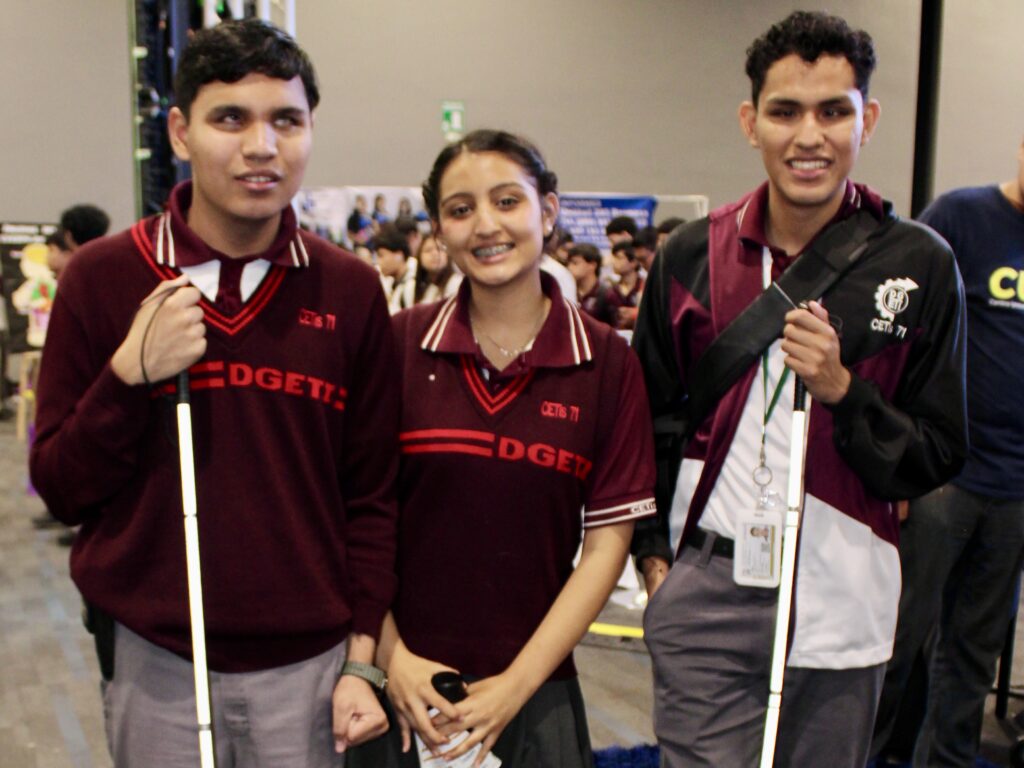
“Muchas veces, cuando los maestros escriben en la pizarra, no puedo tomar notas, pero mis compañeros me apoyan”, dijo Francisco Tadeo Guzmán Nava, un estudiante con discapacidad visual del Centro de Estudios Tecnológicos n.º 71, una escuela secundaria técnica de Reynosa. «Me mandan fotos por WhatsApp y, en mi computadora, como uso un lector de pantalla, puedo interpretarlas».
Crédito de la foto | Anayancy Ulloa
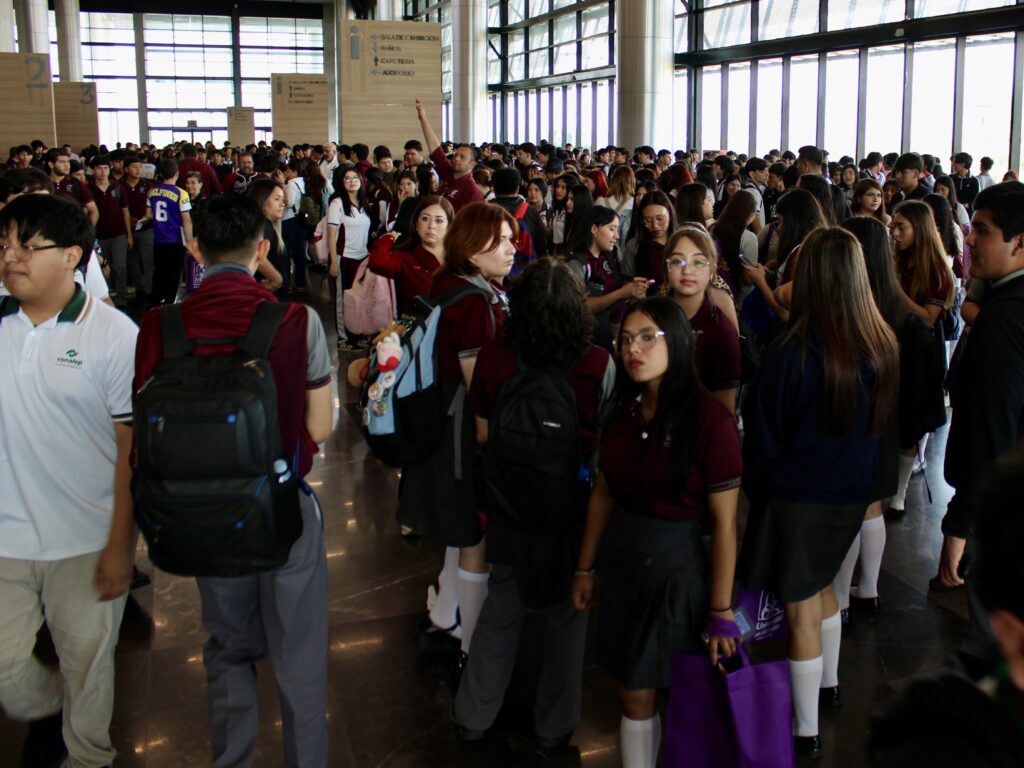
Guzmán, a quien anteriormente le habían diagnosticado retinopatía del prematuro —una afección que afecta a los bebés prematuros y que puede provocar la pérdida de la vista—, fue uno de los más de 6,000 estudiantes de preparatoria que asistieron a la Expo Educación Superior, una feria regional de empleo, en Reynosa la semana pasada.
El evento permitió a los estudiantes de todo Tamaulipas —incluidos Reynosa, Río Bravo, Díaz Ordaz, Miguel Alemán y Valle Hermoso— conocer los certificados y títulos que ofrecen 18 universidades del norte de México.
Lo que se desprende de las conversaciones con las personas que buscan empleo no es un conjunto de experiencias aisladas, sino un cambio más amplio.
En Tamaulipas, el mercado marca el ritmo.
Los estudiantes se están preparando para el mundo laboral incluso antes de ingresar a la universidad. Las escuelas están adaptando sus planes de estudio sobre la marcha. Y el éxito de la región depende de que los trabajadores puedan mantenerse al día con las necesidades de las empresas.
Limitaciones del sistema educativo de México
Jonathan Roberto Yáñez Avalos, quien además tiene discapacidad visual, dijo que el sistema actual tiene limitaciones.
«A veces nos piden trabajos gráficos, como mapas o infografías, y realmente no hay ninguna aplicación que ofrezca la accesibilidad suficiente para las personas con discapacidad visual», dijo.
La inclusión depende en gran medida de los propios estudiantes, dijo.
“Tenemos que adaptarnos”, dijo refiriéndose a los estudiantes con discapacidad. “Seguimos tratando de construir un mundo más accesible”.
A pesar de los obstáculos, dijo Yáñez, seguirá desarrollando sus habilidades.
“Voy a estudiar Tecnologías de la Información e Innovación Digital”, declaró al Rio Grande Valley Business Journal la semana pasada.
Aprender haciendo
En la Universidad Tecnológica de Tamaulipas Norte (UTTN), la capacitación se extiende cada vez más más allá del salón de clases hacia entornos industriales reales.
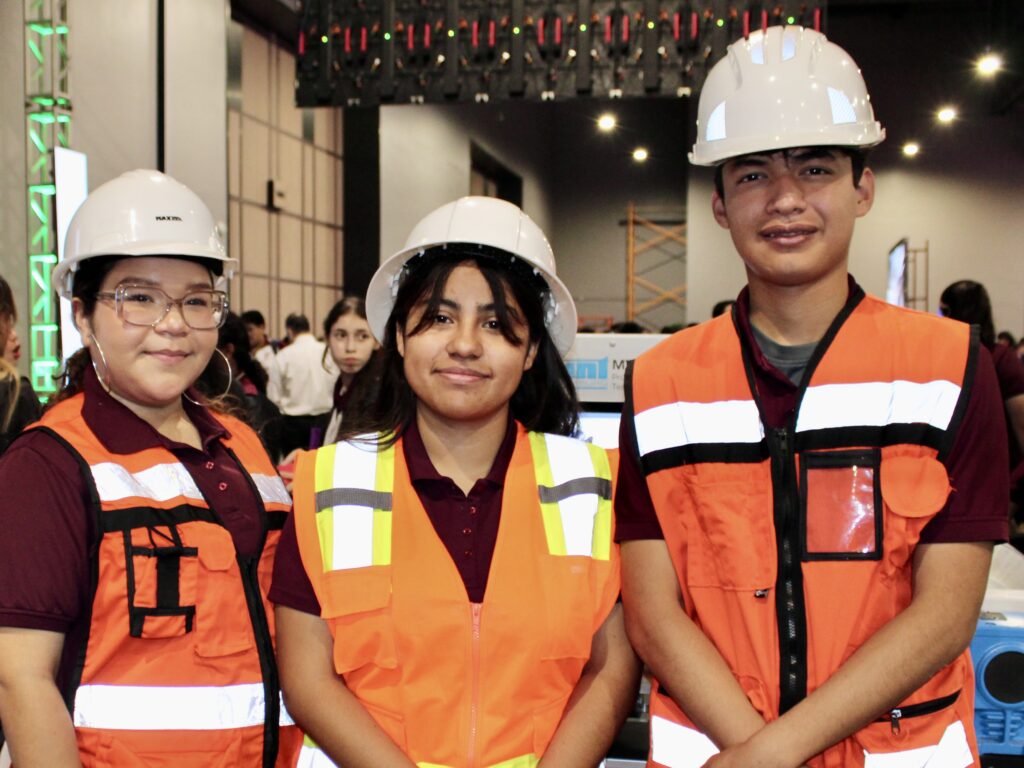
Joana Atziri Hernández Virgen, estudiante de Ingeniería de Mantenimiento Petrolero, dijo que su formación se centra en mantener en funcionamiento los equipos energéticos: solucionar problemas, prevenir averías y monitorear las máquinas para detectar problemas a tiempo.
Crédito de la foto | Anayancy Ulloa
Su grupo está trabajando actualmente en la rehabilitación de una plataforma de perforación que se instaló en el campus hace años. Dejó de funcionar debido a la falta de mantenimiento.
“Nuestro proyecto integral del próximo semestre consiste en restaurar la plataforma de perforación y volver a ponerla en pleno funcionamiento”, dijo Hernández.
El trabajo no es una simulación, sino que está directamente vinculado a las necesidades de la industria.
Aun así, las perspectivas laborales siguen siendo inciertas.
“No diría que está en rojo… pero sí en amarillo”, dijo Hernández. “Hay trabajo, pero no el suficiente para los que nos estamos graduando”.
Aun así, su compañera de clase, Enel Gael Mar Moreno, es un claro ejemplo de cómo la demanda genera oportunidades laborales.
«Ya tengo un puesto», dijo Mar. «Solo necesito empezar a trabajar».
Ambos dicen que no están esperando a que surjan oportunidades, sino que se están capacitando para incorporarse directamente a puestos técnicos.
Un nivel más alto de preparación laboral
Para las universidades, la presión es estructural.

Adrián Ramos Barrón, vicerrector de la Universidad México Americana del Norte (UMAN), afirmó que el modelo educativo tradicional está cambiando.
“Una licenciatura ya no es suficiente”, dijo Ramos. “Hoy en día, los estudiantes compiten con quienes tienen maestrías, especializaciones o certificaciones”.
La UMAN gradúa entre 1.000 y 1.100 estudiantes cada año en áreas como ingeniería, salud, energía y negocios.
“Necesitamos investigadores”, dijo Ramos. “Hay problemas relacionados con el agua, la industria manufacturera, la electrónica… y necesitamos producción científica”.
Ramos dijo que preparar a los talentos ya no se trata solo de la empleabilidad, sino de responder a los desafíos estructurales de la región.
Las universidades se alinean con la industria
Esa presión también está transformando la forma en que las instituciones se relacionan con el sector privado.
En la Universidad Autónoma de Tamaulipas (UAT), las autoridades afirman que la alineación con la industria es ahora un elemento central de su estrategia.
Crédito de la foto | Anayancy Ulloa
Jorge Antonio Espíndola Álvarez, coordinador de relaciones con la industria de la UAT, dijo que la universidad formalizó recientemente un acuerdo de colaboración con Stanley Black & Decker como parte de una iniciativa más amplia para adaptarse a las cambiantes demandas del mercado.
La empresa global de fabricación de herramientas, que cuenta con una importante presencia industrial en Reynosa, anunció recientemente una inversión de 4 millones de dólares para ampliar las operaciones en su planta de producción de Mission.
La UAT cuenta con más de 2,000 estudiantes activos y gradúa a unos 500 cada año. Sus programas se centran cada vez más en campos relacionados con la transformación industrial, entre ellos los sistemas informáticos, la electrónica, las energías renovables, los semiconductores y la movilidad eléctrica.
«Todos los programas están acreditados por organismos nacionales e internacionales», dijo Álvarez, «pero el reto va más allá de la calidad».
Las universidades deben competir ahora con las nuevas tendencias que atraen a los estudiantes, sin dejar de promover carreras de gran rigor técnico que son fundamentales para el desarrollo regional.
La tecnología transforma el salón de clases
Otras instituciones están acelerando los cambios en la forma en que se capacita a los estudiantes.
En el Instituto Internacional de Estudios Superiores (IIES), los programas se centran cada vez más en las tecnologías emergentes, según señaló la estudiante de ingeniería Glendi Ríos.
“La universidad está integrando la dinámica con la inteligencia artificial y promoviendo nuevos programas en sistemas, cibereducación, robótica y automatización”, dijo Ríos.
El objetivo es cerrar la brecha entre la educación y las tecnologías que ya están transformando la industria.
“Más que una innovación aislada, representa un cambio de enfoque”, dijo ella.

Anayancy Ulloa
Reportero
Anayancy Ulloa Luna es colaboradora del Rio Grande Valley Business Journal y es originaria de Reynosa, en el estado mexicano de Tamaulipas. Ulloa cuenta con una dilatada trayectoria como experta en negocios de la región de Estados Unidos y México en el ámbito del mercadotecnia, y anteriormente fue directora editorial de Mexico Industry.
Lo más leído
- La ciudad futurista Starbase de SpaceX culmina una anexión masiva de 7,100 acres. Esto es lo que sabemos.
- SpaceX reprograma el primer vuelo de Starship alrededor de la Tierra
- ¿Cuánta agua necesita SpaceX para operar cerca de Brownsville? Casi 20 veces su consumo actual
- ¿Podría la conversión de departamentos en condominios ayudar a que la compra de una vivienda de 100 mil dólares en el área metropolitana de McAllen sea más accesible? Un inversionista dice que sí.
- El área metropolitana de McAllen sigue vendiendo más viviendas, mientras que el mercado de Brownsville-Harlingen registra una caída del 17 % hasta agosto
Recibe las últimas noticias empresariales en tu bandeja de entrada cada mañana, gratis.
¡Pruébalo gratis durante 30 días!
Disfruta de acceso completo a un periodismo galardonado que abarca temas como los negocios, el sector inmobiliario, la sanidad, las tendencias económicas y las personas que dan forma al Valle del Río Grande.
¡30 días gratis!
$9.95/month
Oferta por tiempo limitado
La suscripción se renueva tras el periodo de prueba gratuito de 30 días por 9,95 $ al mes.
Prestaciones incluidas
- Acceso ilimitado a todos los artículos
- Noticias y análisis diarios sobre el mundo empresarial
- Contenidos y funciones exclusivos para suscriptores
Historias que importan
- La recaudación del impuesto sobre las ventas en el Valle ha aumentado un 5,7 %. ¿Podría estar contribuyendo a ello un peso más fuerte?
- Las empresas de Mission pueden solicitar hasta 15 000 dólares en subvenciones este mes
- Pharr duplica la capacidad de su puente a medida que los centros de datos y los productos agrícolas impulsan una nueva demanda comercial
- T-Mobile planea ampliar su red de Internet por fibra óptica en Mercedes
- Un poco de MySpace, un poco de AOL: los habitantes del Valle contribuyen al crecimiento de una nueva plataforma de redes sociales
- Brownsville va a modificar su tarifa de drenaje. Las empresas podrían tener que pagar más, ya que la ciudad busca recaudar 6.2 millones de dólares al año
- NADBank abre una línea de financiamiento de 300 millones de dólares para proyectos de agua y energía a lo largo de la frontera
- Los líderes de Starbase aprobaron un contrato de arrendamiento de 45 años con SpaceX por 166 acres, pero lo que se construirá allí sigue siendo un misterio
- Frost Bank está invirtiendo en Harlingen, un laboratorio de cemento que se instalará en Brownsville, los departamentos de la ciudad de Hidalgo y las nuevas oficinas de Terra-Gen
- Es posible que se esté gestando otro proyecto de GNL en la frontera del sur de Texas; esta vez, en Matamoros