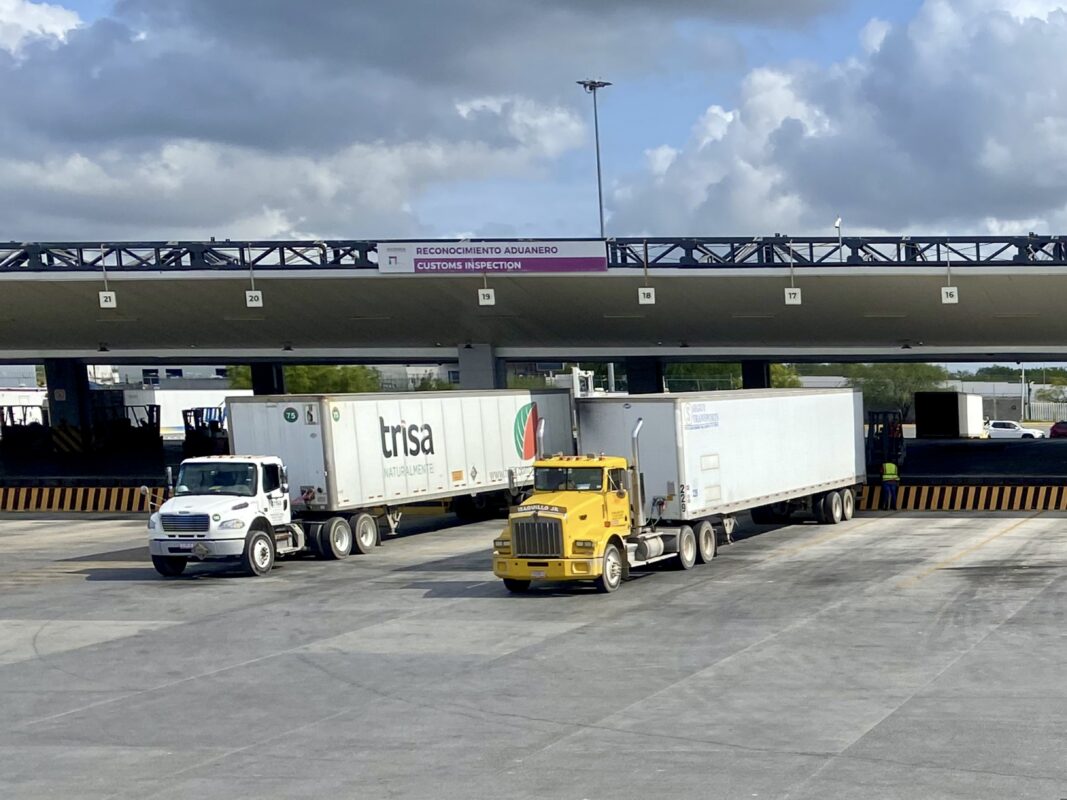
Estados Unidos se ha negado a renovar el Tratado entre Estados Unidos, México y Canadá (USMCA) en su forma actual, lo que genera nueva incertidumbre para regiones que dependen del comercio, como el Valle del Río Grande, aunque el tratado sigue vigente.
No hay cambios inmediatos en las tarifas ni en los procedimientos aduaneros. En cambio, las empresas que dependen del comercio transfronterizo ahora enfrentan incertidumbre, ya que Estados Unidos, México y Canadá comienzan a negociar el futuro del acuerdo en el marco de un nuevo proceso de revisión anual.
Para el Valle, donde el comercio internacional impulsa la manufactura, la logística, el despacho aduanal, la agricultura y el desarrollo industrial, esa incertidumbre podría influir en las decisiones de inversión y contratación a largo plazo.
Se trata de una preocupación sobre la que los expertos locales en comercio llevan meses advirtiendo.
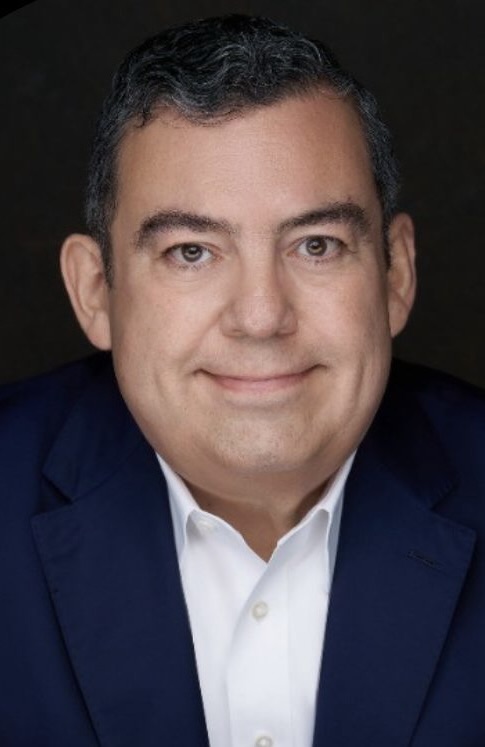
Jorge Torres, presidente de Interlink Trade Services, había declarado anteriormente al Rio Grande Valley Business Journal que las revisiones anuales continuas podrían dejar a los fabricantes sin la certeza a largo plazo necesaria para tomar decisiones de inversión.
“Las empresas no pueden tomar decisiones si no se prorroga el acuerdo y no se modifican las reglas”, dijo Torres en mayo. “Eso genera incertidumbre.”
Esas preocupaciones fueron reiteradas esta semana por la Alianza para el Comercio Fronterizo.
“A la Alianza para el Comercio Fronterizo le preocupa que cualquier indicio de que Estados Unidos pudiera llegar a retirarse del T-MEC genere incertidumbre innecesaria sobre el futuro del comercio norteamericano, en un momento en que las empresas necesitan estabilidad para invertir, contratar y crecer”, afirmaron el presidente de la Alianza para el Comercio Fronterizo, Pete Sepúlveda Jr., y el director general, Britton Mullen, en un comunicado conjunto.
Sepúlveda también se desempeña como director ejecutivo y administrador de la Autoridad Regional de Movilidad del Condado de Cameron.
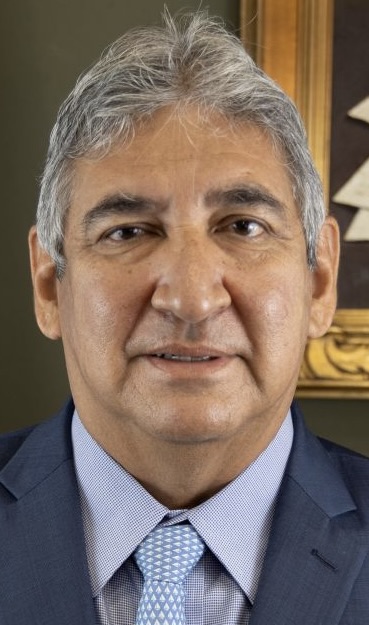
La Alianza para el Comercio Fronterizo afirmó que apoya la modernización del acuerdo, pero advirtió en contra de cambios que pudieran debilitar el marco comercial que ha integrado las economías de Estados Unidos, México y Canadá durante más de tres décadas.
“Instamos a los tres gobiernos a que impulsen reformas que fortalezcan el T-MEC, al tiempo que preserven la certeza y la integración de los mercados que han hecho que América del Norte sea más competitiva”, afirmó la organización.
La revisión cada seis años está prevista en el T-MEC, que entró en vigor en 2020 tras sustituir al Tratado de Libre Comercio de América del Norte.
Según la cláusula de vencimiento del acuerdo, los tres países tenían la opción de prorrogar el pacto por otros 16 años más allá de 2036. Al negarse a renovarlo ahora, Estados Unidos ha dado lugar a revisiones anuales mientras continúan las negociaciones. A menos que los tres países acuerden finalmente prorrogar el acuerdo, está previsto que el USMCA expire en 2036.
La administración de Trump ha manifestado que quiere aprovechar el proceso de revisión para abordar los déficits comerciales, fortalecer la industria manufacturera estadounidense y endurecer las normas que rigen las cadenas de suministro de América del Norte, especialmente en el sector automotriz.
Por ahora, las empresas pueden seguir operando bajo las normas vigentes del USMCA. El mayor impacto inmediato no son los nuevos aranceles, sino la renovada incertidumbre sobre el futuro del tratado comercial que sustenta gran parte de la economía transfronteriza del Valle.

RGV Business Journal Staff
Personal
Lo más leído
- La ciudad futurista Starbase de SpaceX culmina una anexión masiva de 7,100 acres. Esto es lo que sabemos.
- SpaceX reprograma el primer vuelo de Starship alrededor de la Tierra
- ¿Cuánta agua necesita SpaceX para operar cerca de Brownsville? Casi 20 veces su consumo actual
- ¿Podría la conversión de departamentos en condominios ayudar a que la compra de una vivienda de 100 mil dólares en el área metropolitana de McAllen sea más accesible? Un inversionista dice que sí.
- El área metropolitana de McAllen sigue vendiendo más viviendas, mientras que el mercado de Brownsville-Harlingen registra una caída del 17 % hasta agosto
Recibe las últimas noticias empresariales en tu bandeja de entrada cada mañana, gratis.
¡Pruébalo gratis durante 30 días!
Disfruta de acceso completo a un periodismo galardonado que abarca temas como los negocios, el sector inmobiliario, la sanidad, las tendencias económicas y las personas que dan forma al Valle del Río Grande.
¡30 días gratis!
$9.95/month
Oferta por tiempo limitado
La suscripción se renueva tras el periodo de prueba gratuito de 30 días por 9,95 $ al mes.
Prestaciones incluidas
- Acceso ilimitado a todos los artículos
- Noticias y análisis diarios sobre el mundo empresarial
- Contenidos y funciones exclusivos para suscriptores
Historias que importan
- La recaudación del impuesto sobre las ventas en el Valle ha aumentado un 5,7 %. ¿Podría estar contribuyendo a ello un peso más fuerte?
- Las empresas de Mission pueden solicitar hasta 15 000 dólares en subvenciones este mes
- Pharr duplica la capacidad de su puente a medida que los centros de datos y los productos agrícolas impulsan una nueva demanda comercial
- T-Mobile planea ampliar su red de Internet por fibra óptica en Mercedes
- Un poco de MySpace, un poco de AOL: los habitantes del Valle contribuyen al crecimiento de una nueva plataforma de redes sociales
- Brownsville va a modificar su tarifa de drenaje. Las empresas podrían tener que pagar más, ya que la ciudad busca recaudar 6.2 millones de dólares al año
- Los líderes de Starbase aprobaron un contrato de arrendamiento de 45 años con SpaceX por 166 acres, pero lo que se construirá allí sigue siendo un misterio
- NADBank abre una línea de financiamiento de 300 millones de dólares para proyectos de agua y energía a lo largo de la frontera
- Frost Bank está invirtiendo en Harlingen, un laboratorio de cemento que se instalará en Brownsville, los departamentos de la ciudad de Hidalgo y las nuevas oficinas de Terra-Gen
- Es posible que se esté gestando otro proyecto de GNL en la frontera del sur de Texas; esta vez, en Matamoros