Before factories, shipyards, or logistics hubs can break ground in the Rio Grande Valley, developers often spend months — and sometimes tens of millions of dollars — assembling financing structures and preparing sites to attract investors.
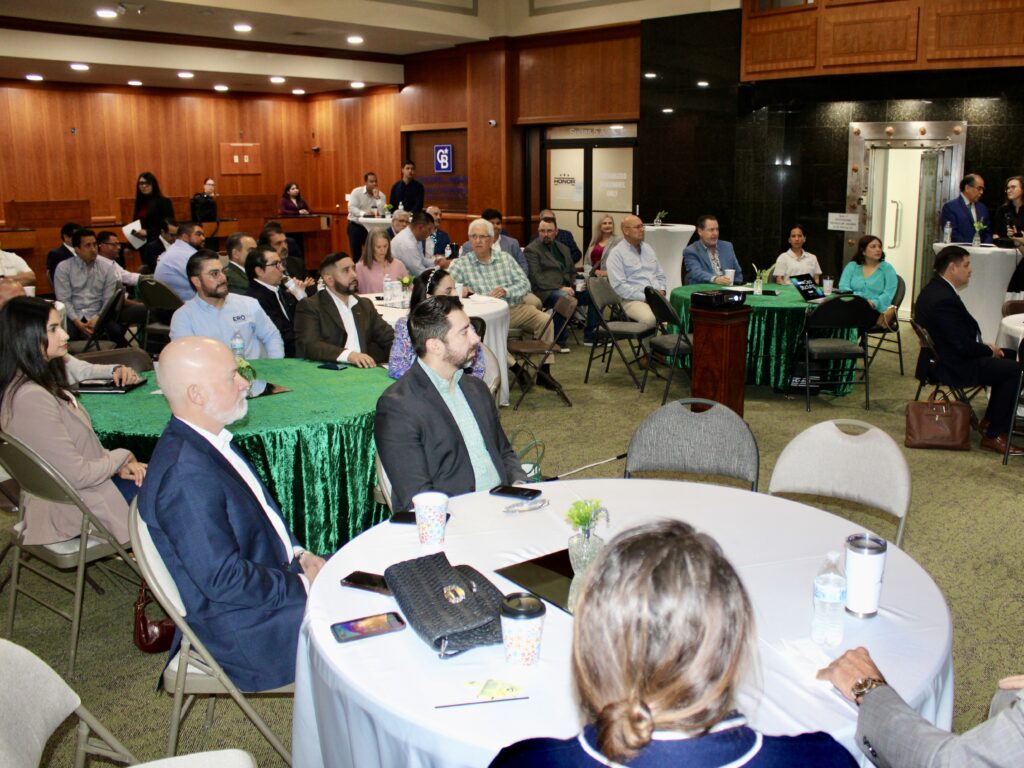
Photo Credit | Anayancy Ulloa
Private developers frequently assume the earliest financial risk, investing heavily in engineering studies, land preparation, and deal structuring long before companies formally commit to building in the region.
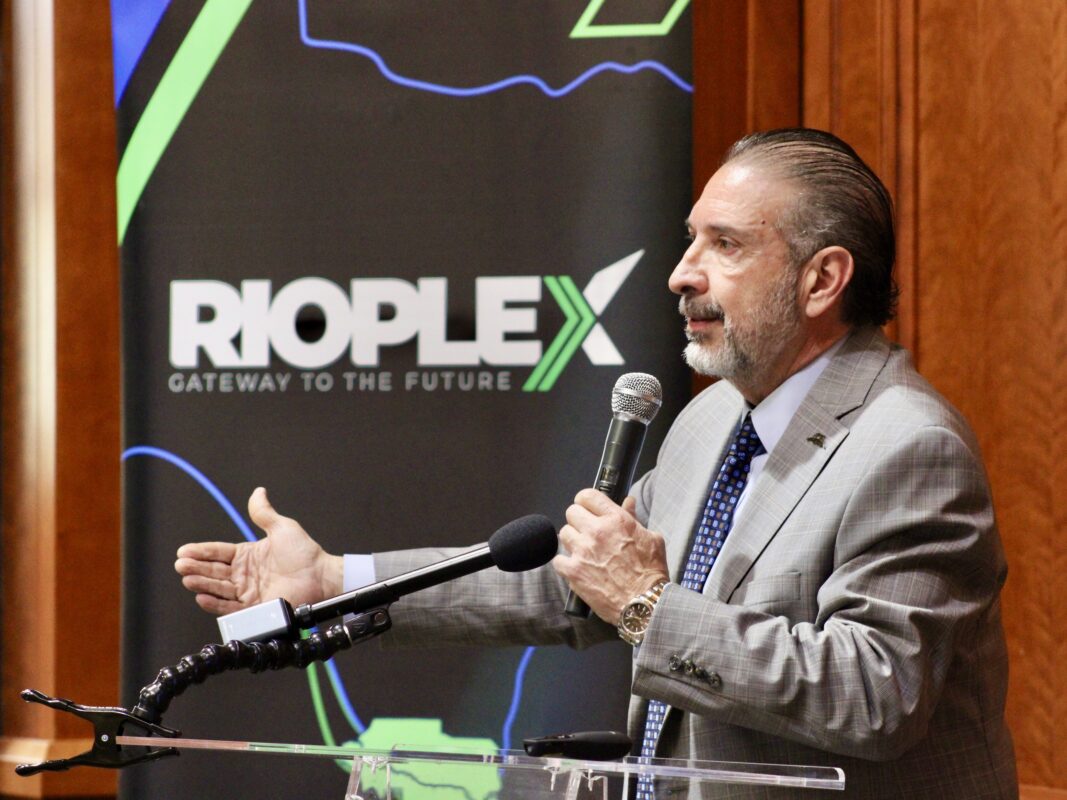
“If we want to attract investment, someone has to take the risk,” Joaquín Spamer, president of CIL Group and chairman of RioPlex, said. “The private sector is usually the one putting up that initial capital to make projects happen.”
Spamer said a major industrial project in the McAllen area required extensive preparation before the deal could be finalized.
“It took nearly a year to close the deal and required close to $100 million in project preparation,” he said.
The growing complexity of structuring industrial projects was a central theme during the RioPlex Deal Structuring forum, where developers, bankers, public officials, and academic leaders discussed financial tools that could help attract investment to South Texas.
Financing tools for industrial projects
Participants highlighted several financial mechanisms designed to make projects financially viable across the Rio Grande Valley.
Ray García of Texas National Bank presented the New Markets Tax Credits program, a federal initiative designed to attract private investment to communities with lower income levels.
“The objective is to attract private investment into projects that generate jobs and real benefits for the community,” García said. “Our counties qualify for these programs, which helps reduce financing costs and makes many projects viable.”
Representatives from the North American Development Bank (NADBank) also discussed financing programs for environmental infrastructure, energy projects, and sustainable industrial parks along the border.
The institution finances projects within a 100-kilometer radius on both sides of the U.S.–Mexico border.
“We are interested in supporting projects that generate positive environmental impact and economic development in the border region,” a NADBank representative said during the presentation.
Investors look at entire regional ecosystems
Speakers said companies evaluating potential locations typically analyze entire regional ecosystems — including infrastructure, workforce availability, and transportation networks — before deciding where to invest.
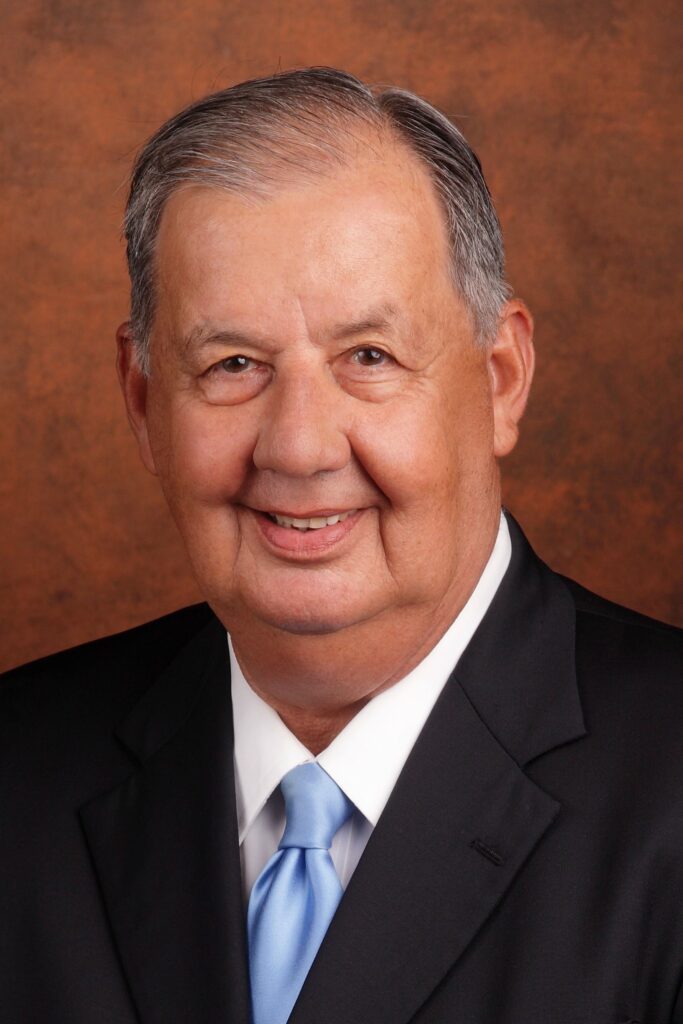
“Companies looking to establish operations do not evaluate just one city or one county; they are evaluating an entire region,” Hidalgo County Judge Richard F. Cortez said.
Companies want assurance that a region can support long-term operations.
“They want to know whether the region can support their success with strong infrastructure, reliable transportation, and a prepared workforce,” he said.
Cortez acknowledged infrastructure challenges.
“We must seek state and federal support as a complete region, not as isolated communities,” he said.
Officials noted that energy availability, water resources, transportation infrastructure, and specialized workforce development remain important considerations for future industrial projects.
Cross-border location drives interest
Business leaders said the Rio Grande Valley’s position between Texas and Tamaulipas creates opportunities tied to cross-border manufacturing and supply chains.
Juan Garza of Greenpoint Developers said the forum helped identify financing sources that could support new projects in the region.
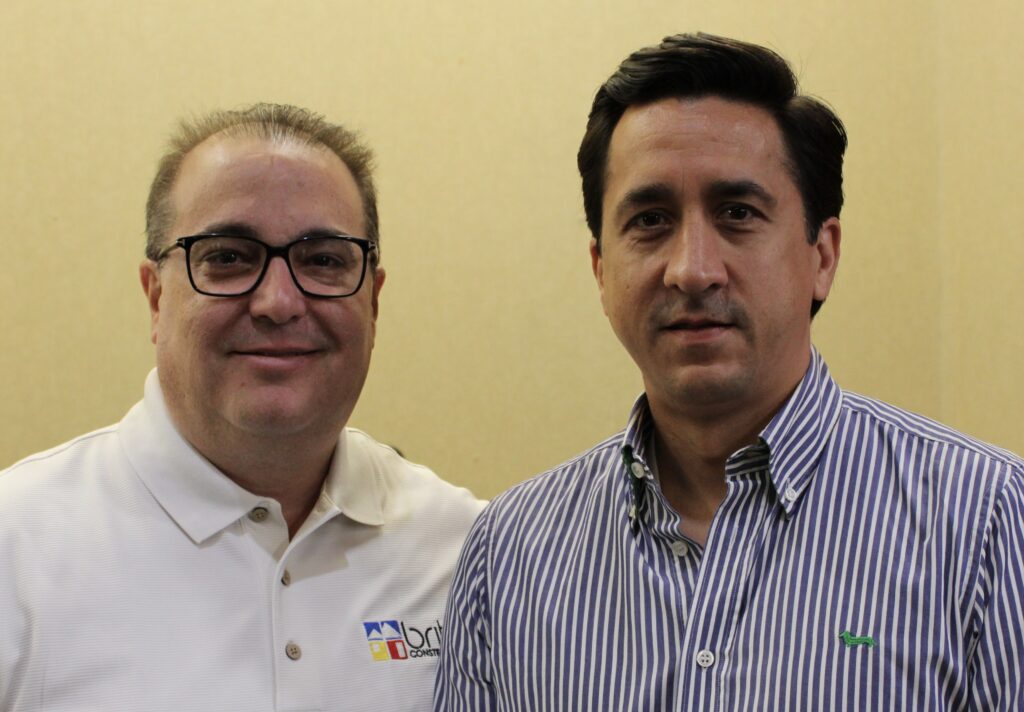
Photo Credit | Anayancy Ulloa
“Many of these financing sources are not traditional, and they can help turn projects into reality,” Garza said.
Miguel Brito of Brito Construction said he walked away from Wednesday’s event with new financing information.
“Many people are not familiar with the benefits or incentives available for projects. Events like this help share that information,” Brito said.
Martín Anzaldúa, director of Grupo Río San Juan, said the region’s location between the United States and Mexico creates opportunities for deeper economic integration.
“Problems will always exist, but we need to focus on opportunities,” Anzaldúa said. “We are bringing together two of the most important countries in the world here in Texas and Tamaulipas. If we do not seize this moment, many opportunities could be lost.”
Guillermo Núñez Vela of Núñez Trading Company described the relationship between the two regions as a powerful driver of development.
“Tamaulipas and Texas are like TNT, like dynamite. When they work together, economic development explodes,” he said.
Carlos Canales, CEO of Grupo Trancasa, said strengthening regional supply chains can help ensure economic benefits remain in the region.
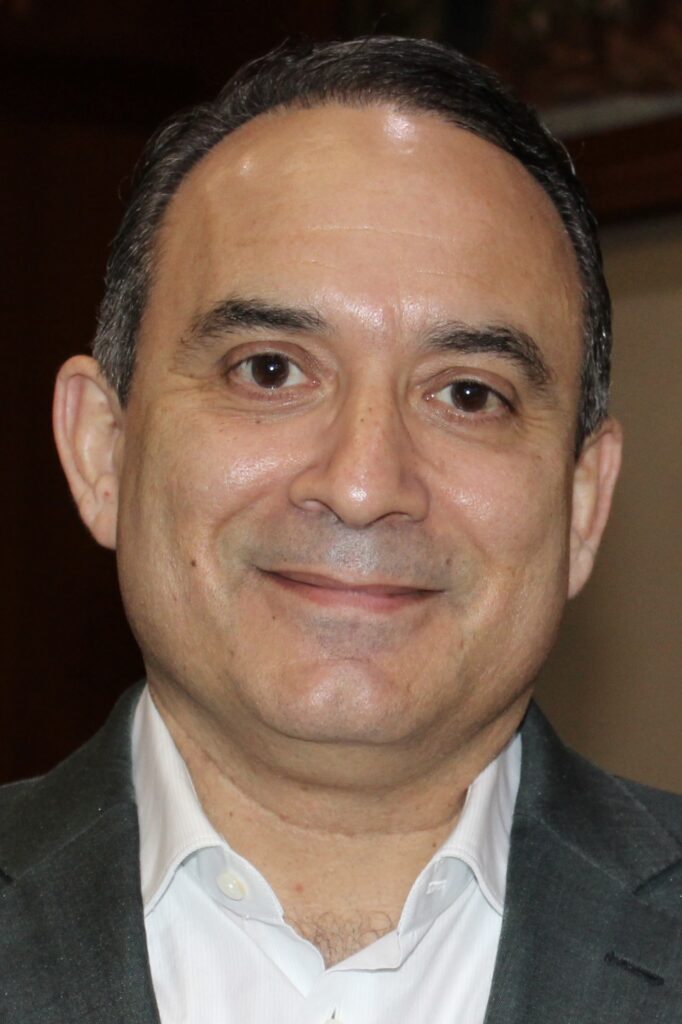
“When the money stays here, jobs are created here, and people in the region benefit,” Canales said.
Canales said initiatives such as RioPlex help present the Rio Grande Valley to international investors.
“Crises are also opportunities. The key is to be strategic and adapt to change,” he said.
Mario Reyna, executive director of RioPlex, said collaboration among public and private stakeholders will be important as the region pursues new industrial investment.
“The future of our region does not depend on a single city; it depends on how we all work together,” Reyna said. “We have international bridges, airports, universities, and talent. We have the infrastructure needed to grow. If we believe in what we are building as a region, then everything we do must align with that purpose.”

Anayancy Ulloa
Reporter
Anayancy Ulloa Luna is a contributor to the Rio Grande Valley Business Journal who hails from Reynosa in the Mexican state of Tamaulipas. Ulloa has a long history as a U.S.-Mexico region business expert in marketing, formerly the editorial director of Mexico Industry.
Most Read
- Is SpaceX quietly building a data center at Starbase? Job postings offer clues
- 25 Mexican businesses eye McAllen expansion after city pitches U.S. market entry program
- SpaceX’s futuristic city of Starbase finalizes massive 7,100-acre annexation. Here’s what we know.
- McAllen metro keeps selling more homes as Brownsville-Harlingen market sees 17% drop through August
- Rio Grande LNG moves closer to getting even bigger at Port of Brownsville
Get the latest business news delivered to your inbox every morning for free.
Try 30 Days Free!
Get full access to award-winning journalism covering business, real estate, health care, economic trends, and the people shaping the Rio Grande Valley.
30 Days Free!
$9.95/month
Limited time offer
Subscription renews after your 30 day free trial at $9.95/mo.
Included Benefits
- Unlimited access to all articles
- Daily business news and analysis
- Subscriber-only content and features
Stories That Matter
- New filings detail nearly $11M in UTRGV tennis, football stadium improvements
- Brownsville job fair to connect workers with more than 10,000 opportunities Thursday
- Tamaulipas battles rising screwworm cases as cattle exports remain on hold
- Mission’s first Small Business Expo puts $25K on the line for local entrepreneurs
- McCoy’s gives $10K, tools to launch Mid-Valley construction academy
- UT Health RGV performs new digestive procedure for first time in the Valley
- TSTC bets on advanced manufacturing to meet RGV’s industrial boom
- Pharr’s cross-border business push earns international recognition
- Mission EDC launches search for new CEO with salary up to $190K
- Texas transportation leaders to discuss Rio Grande Valley infrastructure at Mission summit