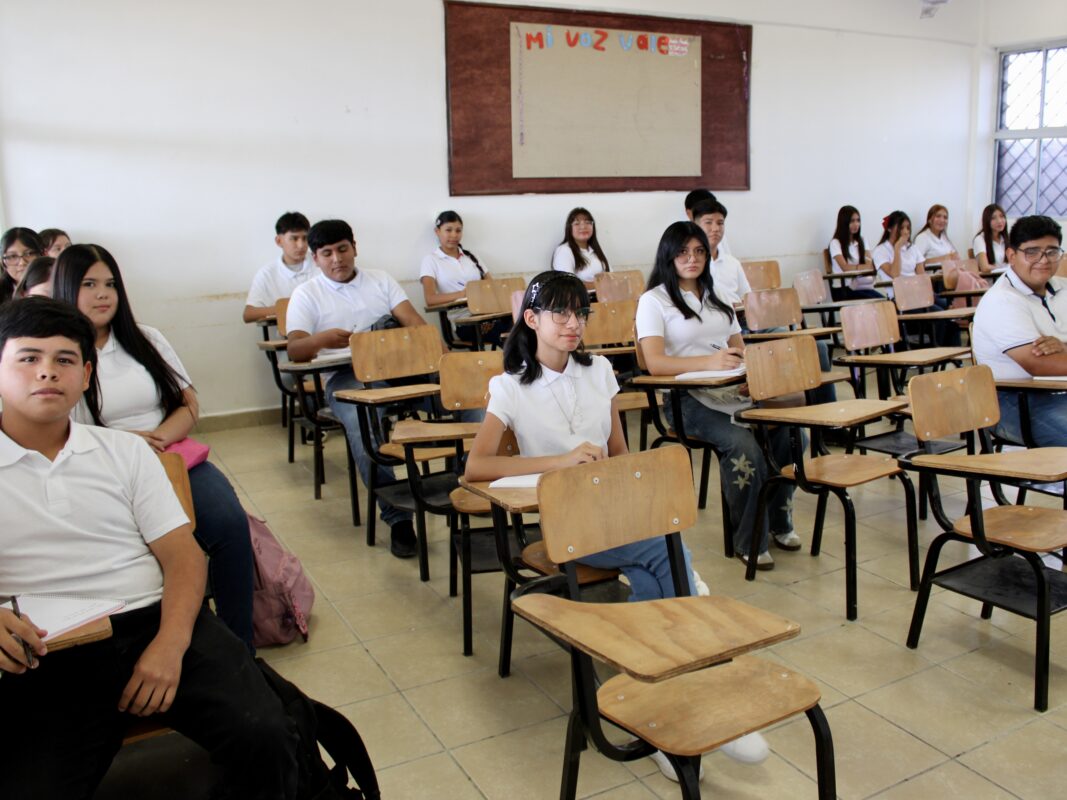
REYNOSA, Tamaulipas — About 150 students started classes Monday at a new technical high school in Reynosa built around three fields expected to play a growing role in the region’s industrial workforce: artificial intelligence, semiconductors and bionics.
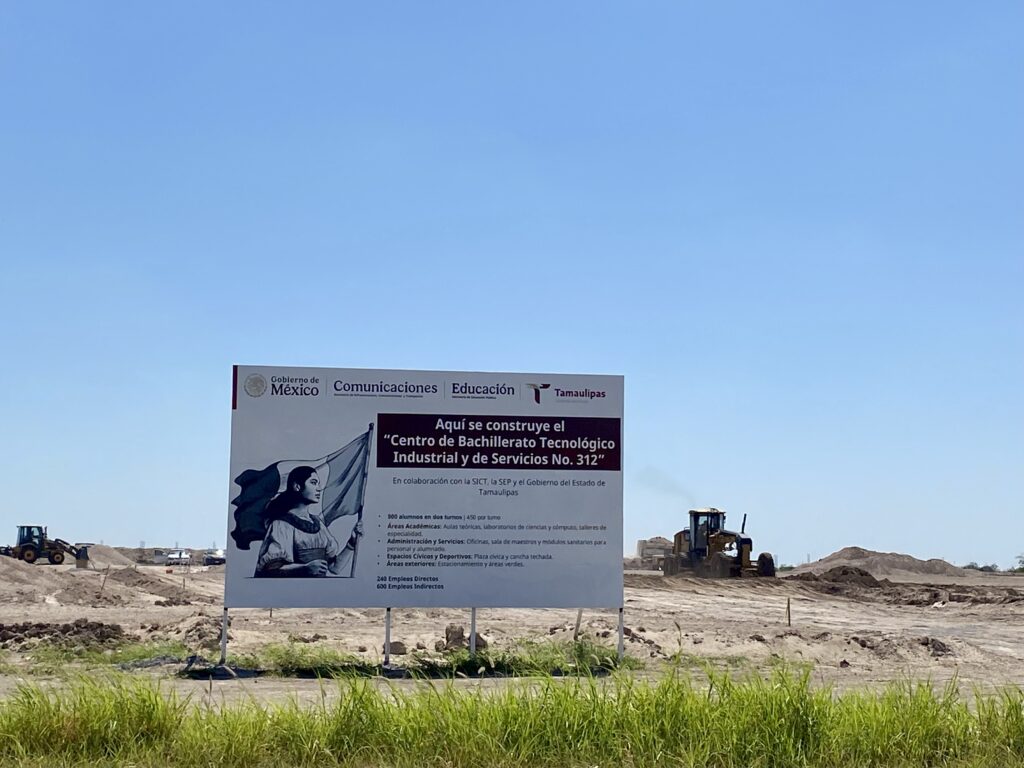
CBTIS 312 began its first semester Aug. 31 while construction continues on its permanent campus in Puerta Grande. The school is expected to eventually accommodate about 900 students in two shifts.
Its three technical programs put emerging technologies into the classroom in a city whose economy is heavily tied to manufacturing, electronics, automation and cross-border supply chains.
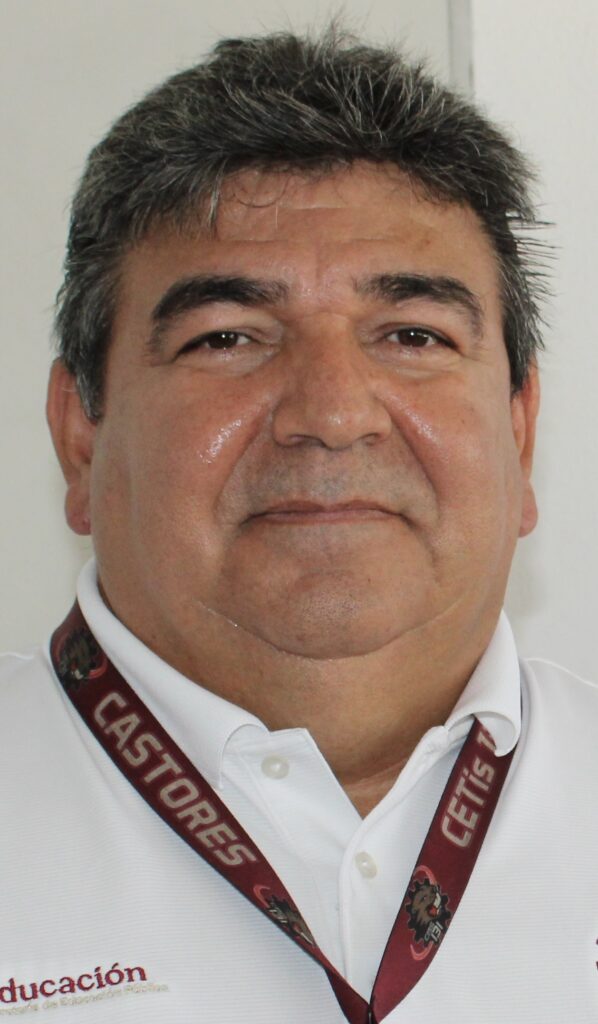
“The trends and what is coming require more technology in education,” said Alejandro Pérez González, acting director of CBTIS 312.
Pérez González described the programs as an innovation for Tamaulipas and said the bionics program will be the first of its kind offered at the upper-secondary level in the state.
Building a workforce pipeline
The new school is designed to do more than introduce students to emerging technology.
CBTIS 312 participates in Mexico’s dual education system, which allows students in later semesters to combine classroom instruction with practical experience in the private sector.
Under the model described by Pérez González, participating students can spend Monday through Thursday working in the productive sector before returning to school Friday for several hours of academic instruction. Participation requires parental authorization.
The DGETI system also maintains agreements with private-sector companies, providing another connection between technical education and employers.
The six-semester program includes social service during the fifth semester and professional practice during the sixth.
For Reynosa manufacturers, that structure could create another pipeline of young technicians who have experience in real production environments before they graduate from high school.
That is increasingly important as factories incorporate more automation, electronics, digital systems and other advanced technologies into their operations.
AI, semiconductors and bionics
Students will eventually specialize in artificial intelligence, semiconductors or bionics while also completing traditional high school coursework.
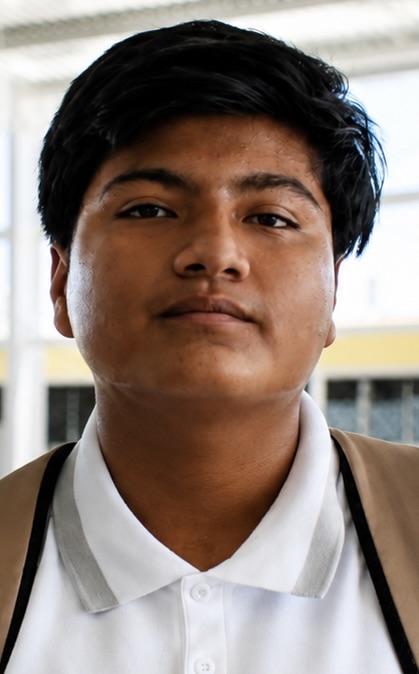
For 15-year-old Edson Zaid Rodríguez Martagón, artificial intelligence was the draw.
“I’m interested in artificial intelligence. I like creating things,” Rodríguez Martagón said.
He does not yet fully understand how the technology works, but that is part of why he enrolled.
“Artificial intelligence can be applied to any area,” he said.
Rodríguez Martagón said he could eventually see himself using the technology to create videos or work in marketing.
His experience illustrates the school’s broader approach: students do not need to arrive with advanced technical knowledge. Instead, the program is intended to give interested teenagers a foundation in technologies they could encounter in college or the workforce.
Teaching students how to use AI
José Alfredo Hernández Palacios, an AI specialist and instructor at CBTIS 312, said teaching artificial intelligence also means teaching students how to use it responsibly.
“I see artificial intelligence as a tool,” Hernández Palacios said.
He compared AI to tools people already use in everyday life, arguing that its impact depends on how someone chooses to use it.
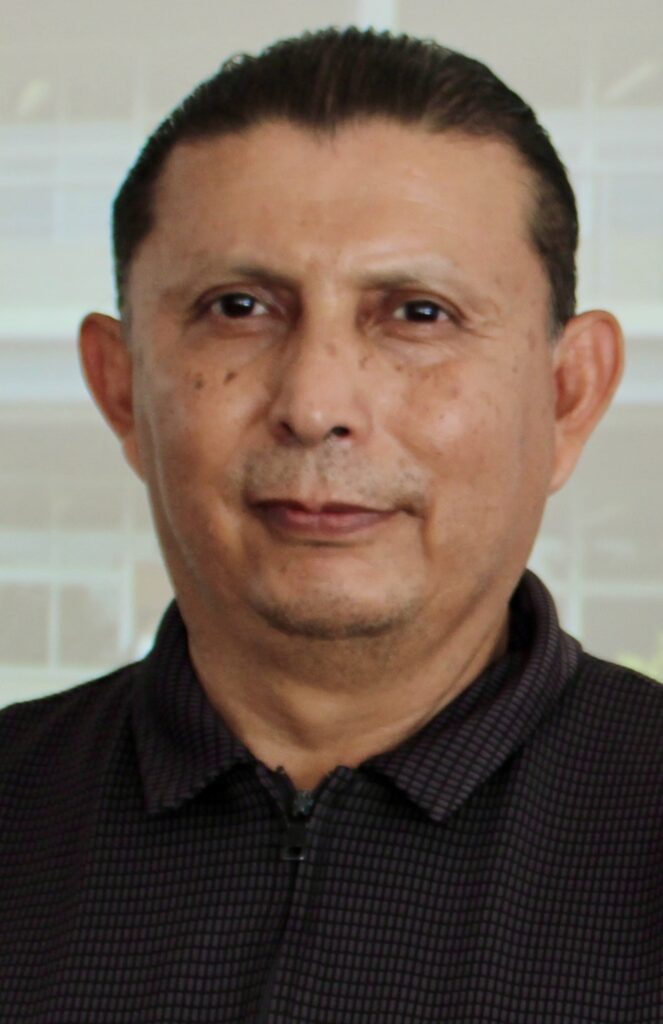
“If we don’t see it as a tool and use it and teach its use, we are wasting technology itself,” he said.
Hernández Palacios said one of the early challenges will be showing students practical applications that generate interest in the technology.
Ethics will also be part of that education, he said, as students learn not only what artificial intelligence can do but also the consequences of how it is used.
A new opportunity for families
Parents also see the school as an opportunity for their children to begin learning skills that weren’t available to previous generations.
Teresa Flores’ son, Jesús Roberto Álvarez Flores, is among the first students.

“He’s happy because it’s something new for them, something that’s in style and that really catches their attention,” Flores said.
For Flores, the difference between generations is striking.
“It’s a new opportunity being presented to them that we didn’t have,” she said.
She said younger people have also grown up more accustomed to rapidly changing technology.
“For us, it’s been harder to adapt to these new technological tools, but young people already have, as they say, the chip integrated,” Flores said.
Her son received a scholarship to support his education.
“It’s a new life project,” Flores said. “More than anything, we have to support them.”
Permanent campus coming in 2027
For now, CBTIS 312 is holding afternoon classes at Secondary School No. 15 in Puerta Grande while its permanent campus is built.
The new campus will cover approximately 237,000 square feet, including about 88,300 square feet of construction.
The permanent facility is expected to open in January or February 2027, when the school is expected to move to a morning schedule.
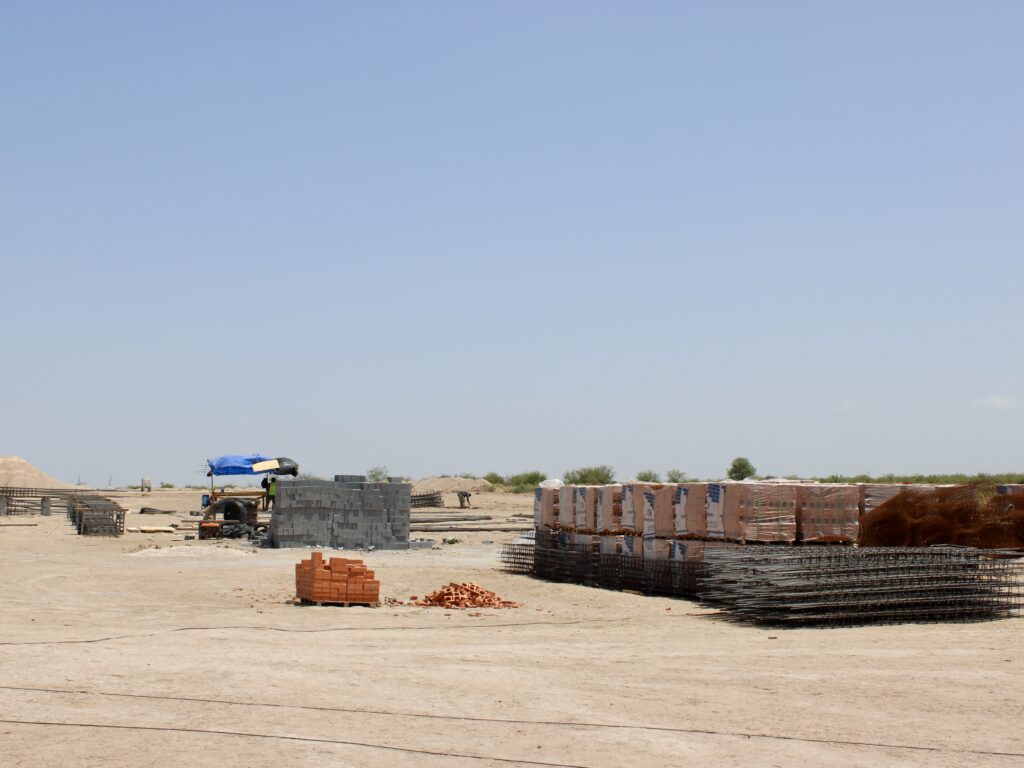
Initial plans call for nine classrooms, three technical workshops and a computer lab.
Students will begin with foundational subjects including English, mathematics, reading and biology before moving deeper into their technical specialties.
No special grade-point average is required for admission, according to the school administration. Students must have completed secondary school.

Anayancy Ulloa
Reporter
Anayancy Ulloa Luna is a contributor to the Rio Grande Valley Business Journal who hails from Reynosa in the Mexican state of Tamaulipas. Ulloa has a long history as a U.S.-Mexico region business expert in marketing, formerly the editorial director of Mexico Industry.
Most Read
- Is SpaceX quietly building a data center at Starbase? Job postings offer clues
- 25 Mexican businesses eye McAllen expansion after city pitches U.S. market entry program
- SpaceX’s futuristic city of Starbase finalizes massive 7,100-acre annexation. Here’s what we know.
- McAllen metro keeps selling more homes as Brownsville-Harlingen market sees 17% drop through August
- Rio Grande LNG moves closer to getting even bigger at Port of Brownsville
Get the latest business news delivered to your inbox every morning for free.
Try 30 Days Free!
Get full access to award-winning journalism covering business, real estate, health care, economic trends, and the people shaping the Rio Grande Valley.
30 Days Free!
$9.95/month
Limited time offer
Subscription renews after your 30 day free trial at $9.95/mo.
Included Benefits
- Unlimited access to all articles
- Daily business news and analysis
- Subscriber-only content and features
Stories That Matter
- Texas transportation leaders to discuss Rio Grande Valley infrastructure at Mission summit
- South Texas College plans $4.7M makeover of cosmetology, security facilities in McAllen
- Mission’s first Small Business Expo puts $25K on the line for local entrepreneurs
- McCoy’s gives $10K, tools to launch Mid-Valley construction academy
- UT Health RGV performs new digestive procedure for first time in the Valley
- TSTC bets on advanced manufacturing to meet RGV’s industrial boom
- Pharr’s cross-border business push earns international recognition
- Brownsville eases drought restrictions after nearly three years as Rio Grande reservoir levels improve
- Edinburg ISD rejects nearly $6M offer for prime land near La Sienna despite $15M budget deficit
- Texas A&M’s $53.5M McAllen research center will tackle water, food security and Valley health