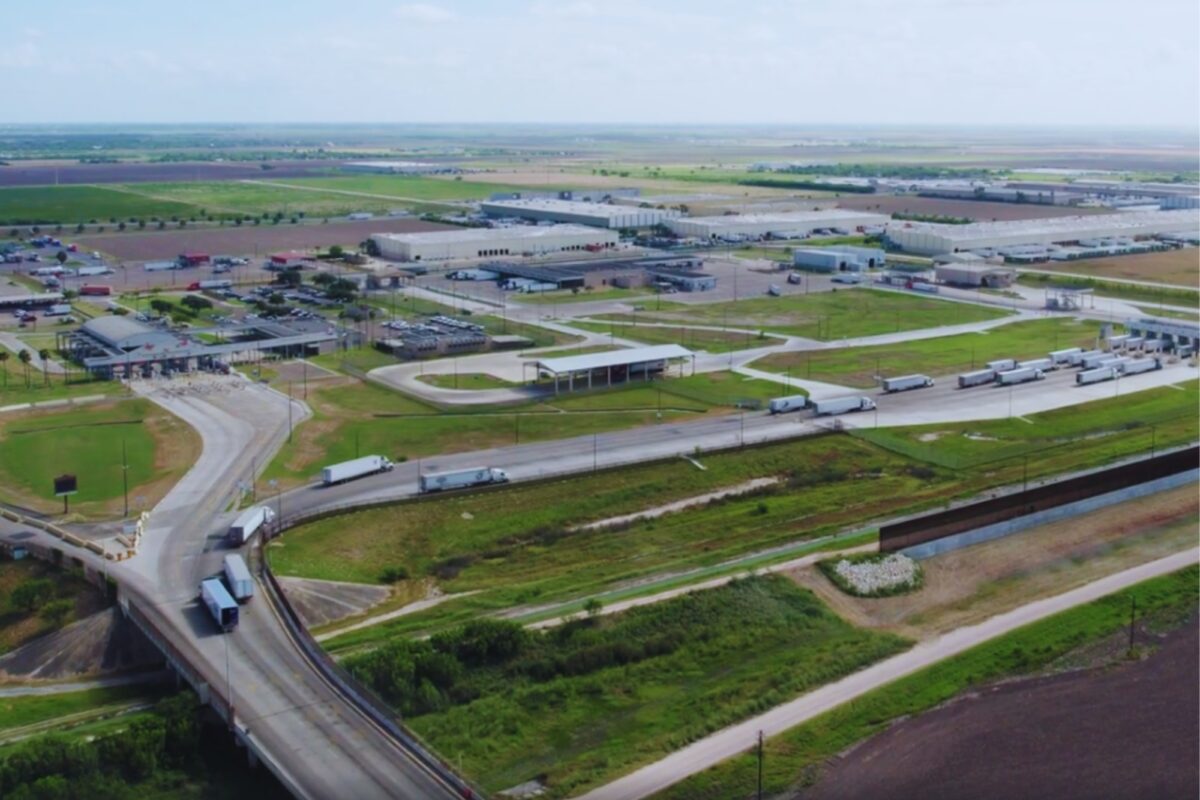
Reynosa and Matamoros continue concentrating a growing share of Tamaulipas’ population as industrial expansion, export manufacturing, and cross-border trade continue driving growth along Mexico’s northern border.
According to Mexico’s Instituto Nacional de Estadística y Geografía (INEGI) and the Secretaría de Economía de Tamaulipas, the two border cities accounted for approximately 1.25 million residents based on 2020 census figures — equivalent to roughly 35.3% of Tamaulipas’ population.
Reynosa reported 704,767 residents, while Matamoros reached 541,979 residents.
The municipalities ranked as Tamaulipas’ first and second largest cities by population ahead of Nuevo Laredo, which reported 425,058 residents.
The figures come as Tamaulipas continues growing overall.
According to INEGI’s 2020 Population and Housing Census, Tamaulipas reported 3,527,735 residents.
By the fourth quarter of 2025, the Secretaría de Economía de Tamaulipas estimated the population had increased to 3,597,414 residents.
That represents growth of approximately 69,679 residents over five years, or roughly 2%.
State demographic estimates show Tamaulipas consists of 49% men and 51% women, with a median age of 30.
Industrial growth fuels expansion
Reynosa recorded some of the strongest growth.
The city expanded from approximately 608,000 residents in 2010 to 704,767 residents by 2020.
The increase of nearly 96,000 residents represented growth of approximately 15.9%.
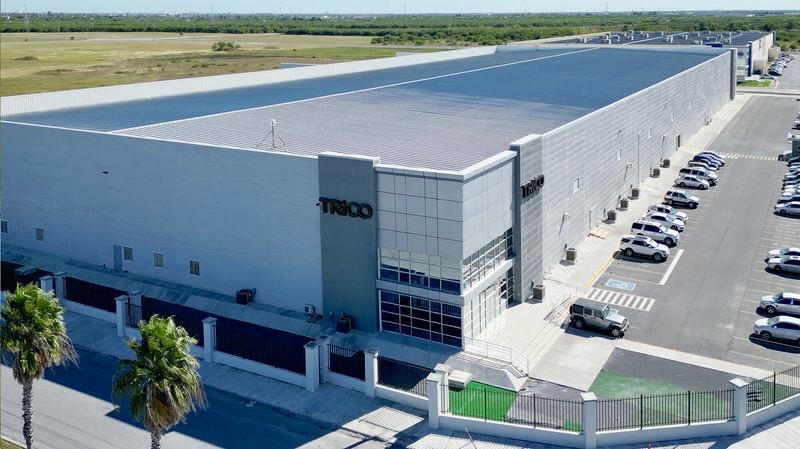
The city currently supports 16 industrial parks and more than 150 export manufacturing companies.
Manufacturing, foreign trade, logistics, foreign investment, and industrial employment continue shaping growth patterns.
Matamoros also expanded during the decade.
The city increased from approximately 489,000 residents in 2010 to 541,979 residents in 2020.
The increase of roughly 52,000 residents represented approximately 10.8% growth.
Matamoros currently supports 10 industrial parks and remains connected to one of Mexico’s most important rail corridors supporting international commerce.
Manufacturing remains major economic driver
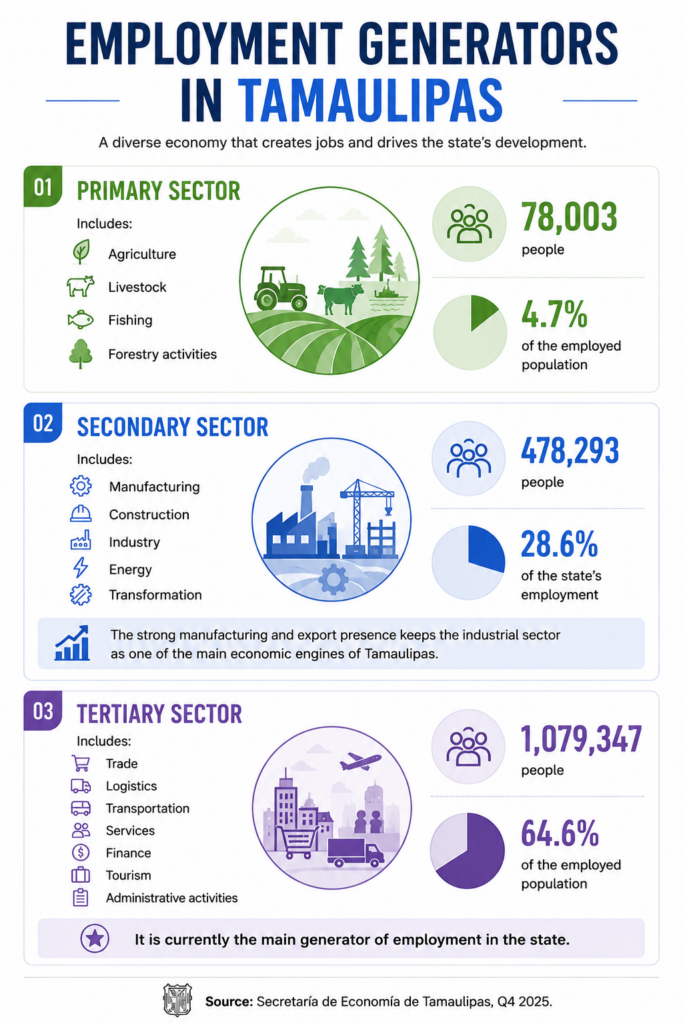
During the fourth quarter of 2025, Tamaulipas reported approximately 1.71 million people within its economically active population.
Of that total, approximately 1.67 million residents were employed.
The tertiary sector — including trade, logistics, transportation, finance, tourism, and services — represented the state’s largest employment generator with approximately 1.08 million workers, accounting for 64.6%.
Manufacturing, construction, industrial production, energy, and transformation industries represented another 478,293 workers, or 28.6%.
Labor data also reflects pressures tied to industrial expansion.
According to Mexico’s National Occupation and Employment Survey, Reynosa reported labor participation of 59.6%, employment of 98%, and unemployment of 2%.
The city also reported a 61.3% critical employment conditions rate — the highest among 39 Mexican cities analyzed by INEGI.
The indicator measures underemployment, additional job seeking, and difficult employment conditions.
The figures point to a broader trend reshaping northern Tamaulipas: manufacturing expansion and cross-border commerce continue concentrating both economic activity and population growth along the border.

Anayancy Ulloa
Reporter
Most Read
- SpaceX is giving Brownsville $220M for water projects. In exchange, the city gave up zoning control of 444 acres near Starbase
- What you need to know about Texas A&M’s newest manufacturing hub near the Port of Brownsville
- Port of Brownsville could soon host Nodule City, a first-of-its-kind commercial deep-sea mining hub
- Harlingen hits pause on $27M offer from company planning 1,000-acre data center
- SpaceX seeks to take zoning control over nearly 450 acres from city of Brownsville as a ‘regional’ water deal takes shape
Get the latest business news delivered to your inbox every morning for free.
Try 30 Days Free!
Get full access to award-winning journalism covering business, real estate, health care, economic trends, and the people shaping the Rio Grande Valley.
30 Days Free!
$9.95/month
Limited time offer
Subscription renews after your 30 day free trial at $9.95/mo.
Included Benefits
- Unlimited access to all articles
- Daily business news and analysis
- Subscriber-only content and features
Stories That Matter
- Harlingen earns state tourism certification aimed at boosting local economic development
- Valley cotton beats expectations, but the industry keeps shrinking
- Mission’s first Small Business Expo puts $25K on the line for local entrepreneurs
- Reynosa’s newest technical high school focuses on AI, semiconductors and bionics
- McCoy’s gives $10K, tools to launch Mid-Valley construction academy
- UT Health RGV performs new digestive procedure for first time in the Valley
- TSTC bets on advanced manufacturing to meet RGV’s industrial boom
- Pharr’s cross-border business push earns international recognition
- Brownsville eases drought restrictions after nearly three years as Rio Grande reservoir levels improve
- Texas A&M’s $53.5M McAllen research center will tackle water, food security and Valley health