REYNOSA, Tamaulipas — Supply chain security is no longer solely a matter of surveillance; it is becoming a component of the competitiveness and continuity of trade between Mexico and the United States, industry executives said during a recent inaugural event in Reynosa.
And it was one of the main themes of the first Supply Chain Security Summit 2026, organized in Reynosa by Lanz Logistics. The event brought together representatives from transportation companies, customs brokerage firms, industry, technology, education, and government.
Sandra Romero, director of Lanz Logistics and event organizer, said the goal is to strengthen training for sectors involved in the supply chain and, in turn, contribute to binational trade.
“The ultimate goal is precisely to strengthen trade, but binational trade between Mexico and the United States,” Romero told the Rio Grande Valley Business Journal.
The organizer said constant changes in cross-border trade requirements are forcing companies to stay up to date and prepare their personnel to respond more quickly.
“We want to provide them with updated information and training so companies are ready and prepared for requirements that may arise immediately,” she said.
Certificates are now needed
One of the summit’s main focuses was on security and customs compliance programs in both countries: the U.S. Customs Trade Partnership Against Terrorism (CTPAT) program and Mexico’s Authorized Economic Operator (OEA) program.
Romero said understanding and implementing these programs can help companies strengthen their processes and reduce situations that affect operations at border crossings.
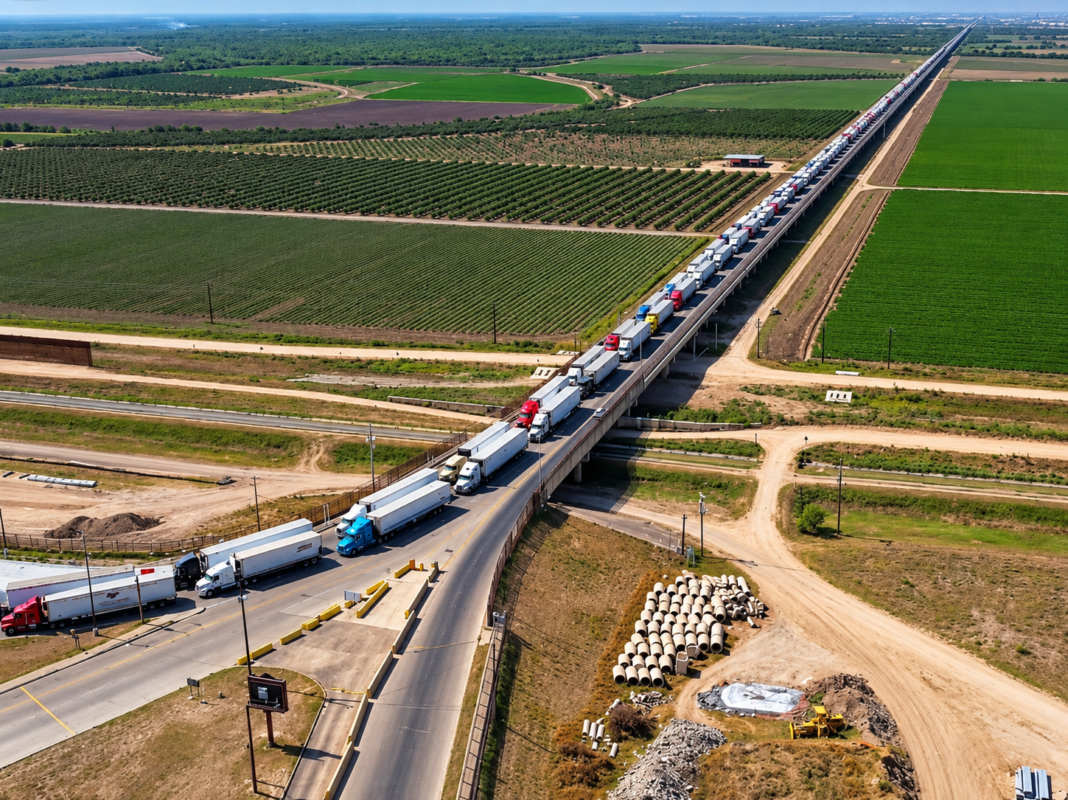
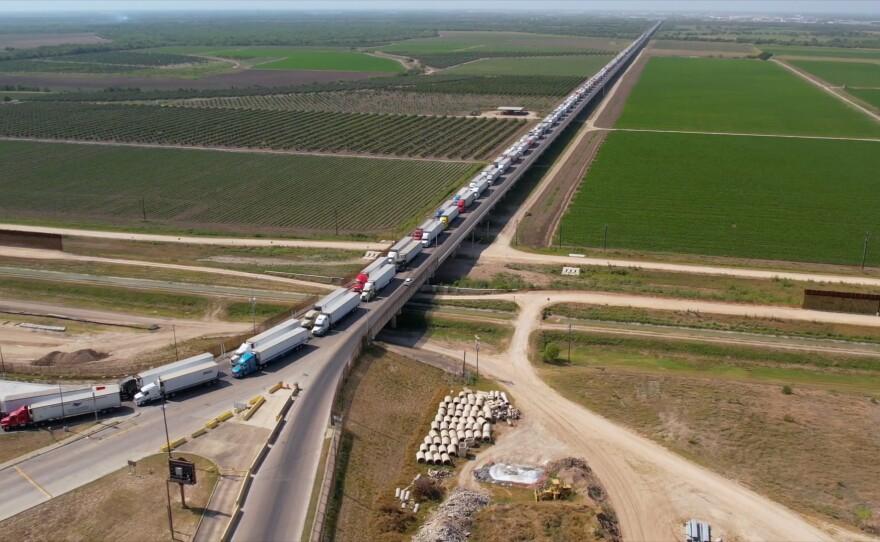
The discussion on certification also connected directly to the Pharr International Bridge, one of the main commercial links between the Rio Grande Valley and Reynosa.
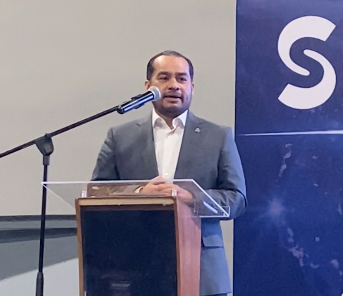
During the event, Javier Martínez, assistant bridge director at the Pharr International Bridge, explained that 28% of the 1.4 million trucks that crossed the bridge last year were certified, and that one goal of the bridge’s expansion is to increase that share.
The first phase of the expansion began operating in September for U.S. exports to Mexico. The project calls for expanding the crossing from four to eight lanes and, in later phases, adding capacity for trade from Mexico to the United States.
The presentation also cited an investment of more than $50 million in the expansion and new buildings in the customs area, adding 70,000 square feet as well as lanes for refrigerated and dry goods, scheduled for the first quarter of 2027.
The connection between certification and border capacity makes compliance with security standards an increasingly relevant factor for companies seeking to maintain efficient operations between the two countries.
How technology can protect cargo
Security is also driving technology adoption in transportation operations.
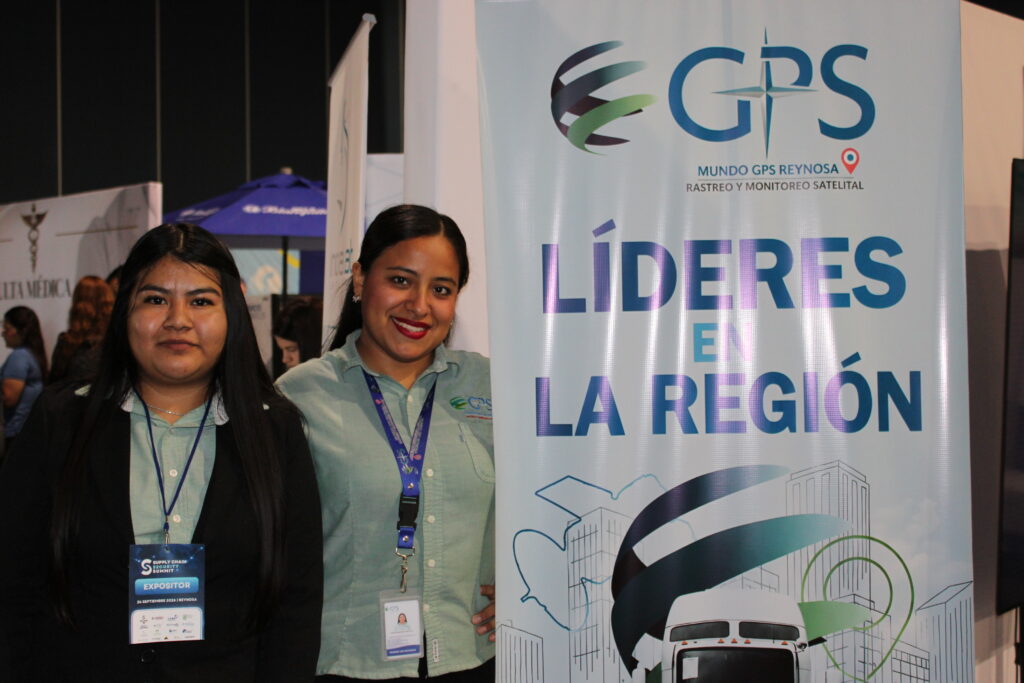
Emma Sosa, administrative assistant at Mundo GPS Reynosa, said the company provides satellite tracking and GPS equipment for private and commercial vehicles and currently serves about 30 to 35 transportation companies.
“The main issue we address is insecurity in the state,” Sosa said. She added that the devices provide greater control over routes and can help companies use their resources more efficiently.
Evelyn García Pacheco, sales adviser at Mundo GPS Reynosa, said the systems also allow companies to locate vehicles and respond to accidents or alerts. For transportation companies, technology is therefore becoming a tool for operational control and security.
Challenges of finding and retaining talent
Training was another central theme of the event. Romero said transportation companies face not only a shortage of drivers but also high turnover, making it necessary to develop workers who can respond to the sector’s evolving requirements.
“We know that, beyond the shortage of drivers, there is also high driver turnover, with drivers constantly moving from one company to another,” she said.
Educational institutions’ participation in the discussion reflected the need to connect workforce development with industry demands.
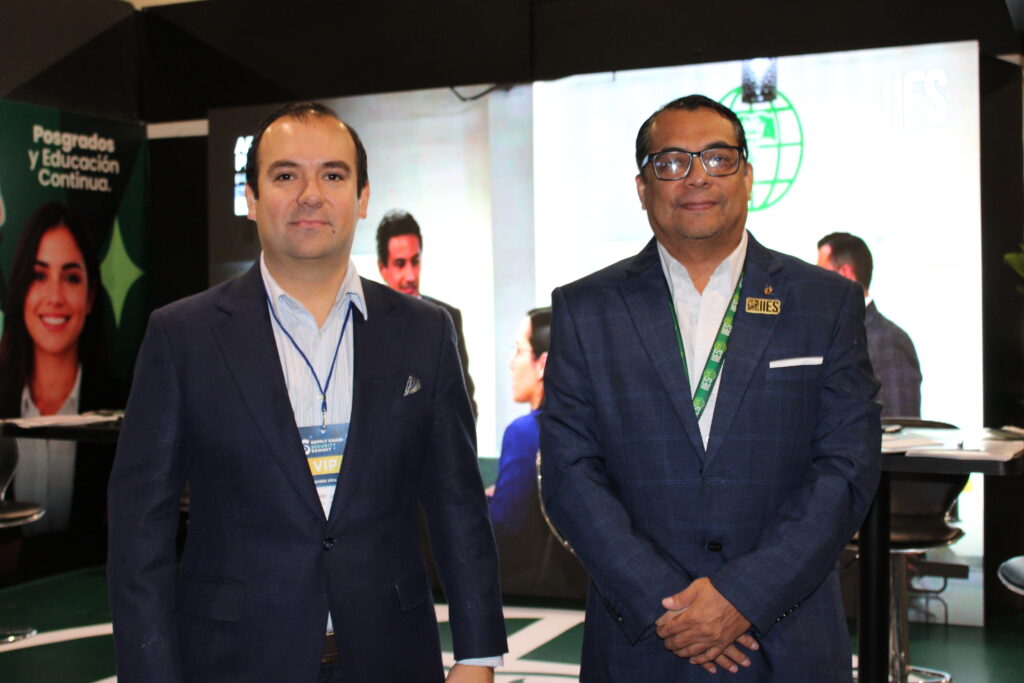
Rosendo Eduardo Martínez McDonald, rector and leader of the Instituto Internacional de Estudios Superiores (IIES), said educational institutions need to maintain close ties with the industries driving the local economy.
“We have to be 100% involved, informed and also prepared to continue training our other clients,” he said, referring to companies and the new generations entering the industry.
Ramiro Reyna, director of Enterprise and Commercial Sales at IIES, said areas currently generating interest in industry include artificial intelligence, continuous improvement, cost reduction, quality management and cybersecurity.
“Something that has been evolving quite a bit is artificial intelligence,” Reyna said, explaining that companies are using new tools to improve processes and profitability.
Cybersecurity is also gaining a place in the institute’s training programs. Reyna said IIES plans to offer cybersecurity programs to the public in 2027.
Security increasingly competitive
Eduardo Luna, director of Commercial Strategy at Lanz Logistics, said during the summit’s opening that companies should incorporate security into day-to-day management.
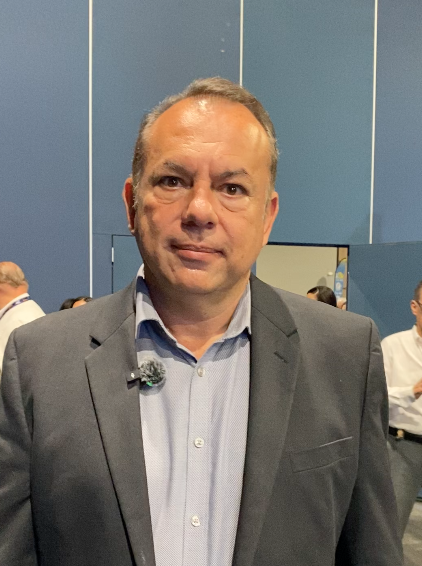
“A security culture is part of the development and competitiveness of our organizations,” Luna said.
That approach broadens the concept of security within the supply chain. It includes protecting goods and vehicles, as well as training, compliance, technology, information, and coordination among companies.
Rodolfo González, Reynosa’s secretary of Economic Development, said the event brought together different components of the value chain, from educational institutions and workers to manufacturing companies, logistics and foreign trade.
“Reynosa is a strategic city for foreign trade and for integrating our region into international supply chains,” González said.
The event’s common message was that maintaining the flow of binational trade requires more than border infrastructure. It also requires companies prepared to comply with new standards, trained workers, and technological tools that can protect operations throughout the supply chain.
For an economic region connecting Reynosa with the Rio Grande Valley, those elements converge on a common objective: keeping goods moving safely and efficiently across the border.

Anayancy Ulloa
Reporter
Anayancy Ulloa Luna is a contributor to the Rio Grande Valley Business Journal who hails from Reynosa in the Mexican state of Tamaulipas. Ulloa has a long history as a U.S.-Mexico region business expert in marketing, formerly the editorial director of Mexico Industry.
Most Read
- Edinburg ISD rejects nearly $6M offer for prime land near La Sienna despite $15M budget deficit
- Port of Brownsville approves $2M SpaceX pipeline deal, with millions more on the table
- What Toyota’s $3.6B San Antonio expansion could mean for the Rio Grande Valley
- McAllen’s nonstop Mexico City flight is back
- 5×5 Brewing plots $2.5M comeback with new Edinburg brewpub near UTRGV
Get the latest business news delivered to your inbox every morning for free.
Try 30 Days Free!
Get full access to award-winning journalism covering business, real estate, health care, economic trends, and the people shaping the Rio Grande Valley.
30 Days Free!
$9.95/month
Limited time offer
Subscription renews after your 30 day free trial at $9.95/mo.
Included Benefits
- Unlimited access to all articles
- Daily business news and analysis
- Subscriber-only content and features
Stories That Matter
- Port of Brownsville details SpaceX agreements worth more than $125M in potential revenue
- SpaceX makes history with first Starship catch at Starbase
- Mission’s first Small Business Expo puts $25K on the line for local entrepreneurs
- McCoy’s gives $10K, tools to launch Mid-Valley construction academy
- UT Health RGV performs new digestive procedure for first time in the Valley
- TSTC bets on advanced manufacturing to meet RGV’s industrial boom
- Pharr’s cross-border business push earns international recognition
- Brownsville eases drought restrictions after nearly three years as Rio Grande reservoir levels improve
- Texas A&M’s $53.5M McAllen research center will tackle water, food security and Valley health
- STC puts AI to work across 55 courses — from construction sites to car repair