U.S. tariffs soared in 2025, but something unexpected happened: Americans still imported more goods.
The average U.S. tariff rate jumped from 2.9% in January 2025 to 14.8% in December, according to a new analysis from the Federal Reserve Bank of Dallas. It was the largest increase since the Smoot-Hawley tariffs of 1930.
Economists expected those higher costs to sharply reduce imports. Instead, U.S. imports grew about 4.5% from 2024.
So what happened?
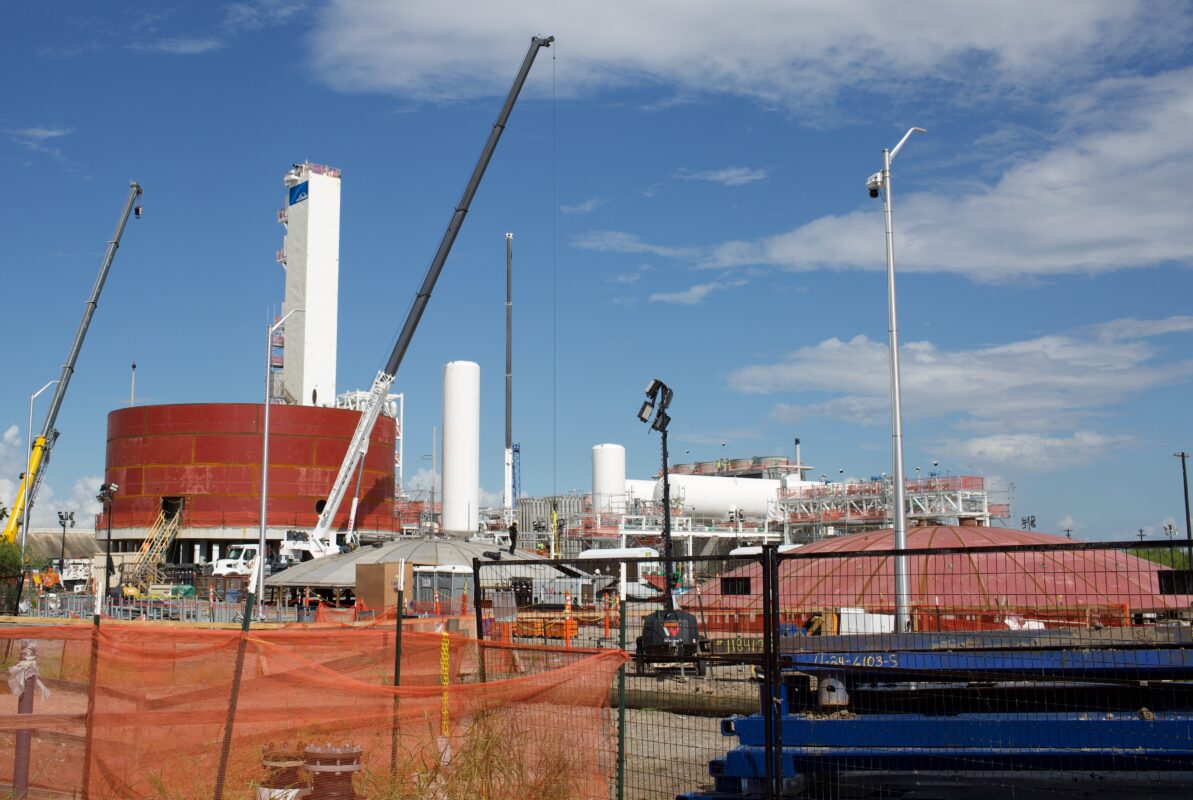
Dallas Fed researchers point to two major factors: Companies rushed to import goods before higher tariffs took effect, and the artificial intelligence boom drove a surge in demand for computers and other equipment — much of it imported through Mexico.
The researchers estimate that without those and other factors, tariffs would have reduced U.S. imports by about 12%.
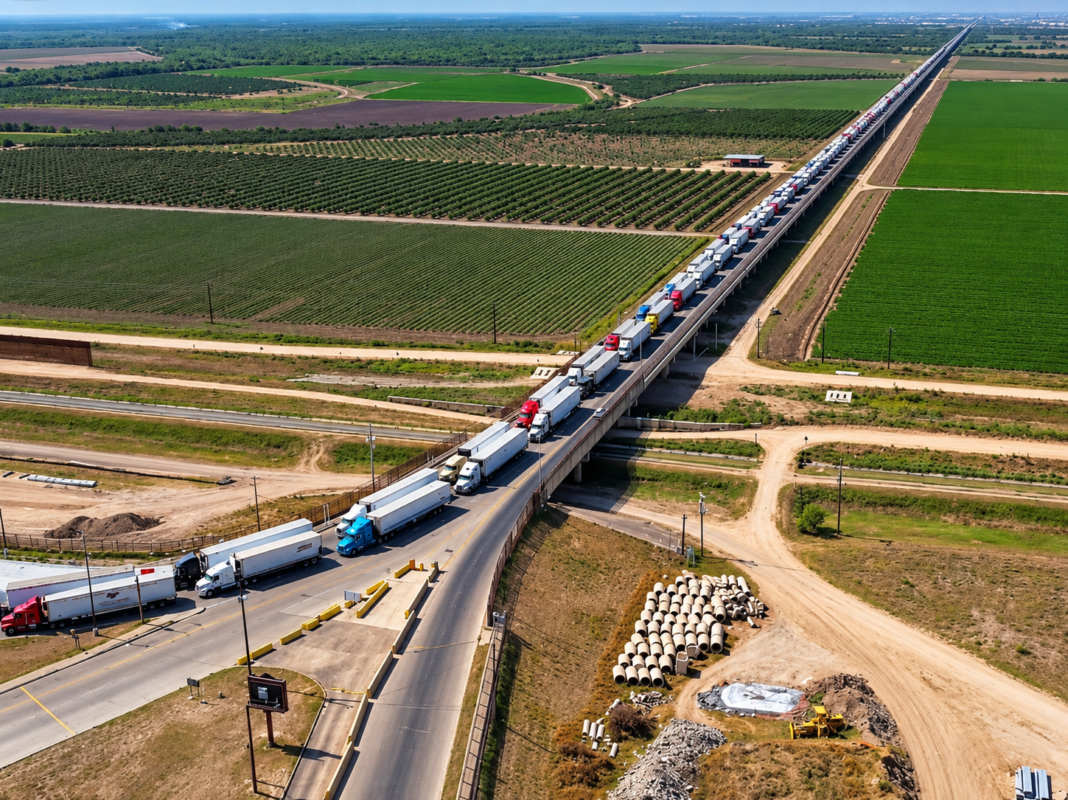
For Mexico, the shift is particularly significant. As U.S. imports from China plunged, Mexico was among the countries that picked up a larger share of U.S. trade.
AI boom sends equipment through Mexico
The growth in AI-related imports was substantial.
U.S. imports in the “office machines” category, which includes computers and computer equipment used in data center construction, jumped 68.3% in 2025 compared with 2024.
Imports outside that category barely grew, increasing just 0.19%.
That means much of the overall increase in U.S. imports can be traced back to the technology boom.
Dallas Fed researchers Ben Kim, Tucker Smith and Kei-Mu Yi said growing investment in data centers drove demand for computing hardware, including graphics processing units.
Much of that equipment was imported through Mexico, according to the researchers.
The difference was large enough to change the overall U.S. trade numbers. If imports of office machines had simply remained at their 2024 level, overall U.S. import growth in 2025 would have been essentially zero.
In other words, without the surge in computers and related equipment, U.S. imports would have been roughly flat despite the 4.5% increase actually recorded.
Mexico gains as imports from China fall
Higher tariffs also changed where U.S. businesses bought their goods.
Tariff increases varied significantly by country, with China facing some of the steepest increases.
The weighted-average tariff on Chinese imports rose from 12% in January 2025 to a peak of 46% in May before declining to 30% in December.
U.S. imports from China fell sharply as that happened.
The dollar value of Chinese imports dropped 40% in 2025, according to the Dallas Fed analysis. China’s share of total U.S. imports fell from 13.4% in 2024 to 9% in 2025.
Other countries gained some of that share.
Mexico, Vietnam, Taiwan and India were among the countries that picked up trade as China’s share declined. Most faced smaller tariff increases than China.
The changes were unusually large. Dallas Fed researchers found that shifts in countries’ shares of U.S. imports were four times greater in 2024-25 than they had been the previous year.
Companies raced to beat higher tariffs
AI wasn’t the only reason imports grew.
Businesses also rushed to get goods into the United States before new tariffs took effect.
Higher tariffs were widely anticipated following the November 2024 U.S. elections, according to the Dallas Fed. That prompted foreign exporters and U.S. importers to move purchases forward.
During the first three months of 2025, U.S. imports were 26.5% higher than during the same three months of 2024.
That was particularly true for products that could be stored, including pharmaceuticals and gold.
The rush didn’t last.
Import growth slowed during the rest of the year, and by the final three months of 2025, the value of U.S. imports was lower than during the same period in 2024.
Ireland and Switzerland were two of the biggest examples of the early surge. U.S. imports from those countries increased more than 43% in 2025, driven in particular by pharmaceuticals from Ireland and gold from Switzerland.
The Dallas Fed estimates that if imports from those two countries had remained at their 2024 levels, overall U.S. import growth would have been only about half as large.
So did the tariffs reduce imports?
The Dallas Fed’s answer is yes.
Researchers analyzed 388 categories of goods from 50 of the United States’ largest trading partners to separate the effect of tariffs from everything else happening in the economy.
They found that for every 1 percentage-point increase in tariffs, imports declined about 1.6%, all else being equal.
Using that relationship, researchers estimate the 2025 tariff increases reduced imports by 12.3% from where they otherwise would have been.
But that decline was more than offset by other forces, including the AI investment boom and businesses stocking up before tariffs took effect.
That’s why two seemingly contradictory things happened at the same time: Tariffs put significant downward pressure on imports, while total U.S. imports still finished the year higher.
And Mexico found itself on the gaining side of that reshuffling, picking up U.S. import share while also serving as a major route for the computing equipment fueling America’s AI and data center boom.

RGV Business Journal Staff
Staff
Most Read
- 5×5 Brewing plots $2.5M comeback with new Edinburg brewpub near UTRGV
- Workforce leaders say the Rio Grande Valley job market isn’t what you think
- What Toyota’s $3.6B San Antonio expansion could mean for the Rio Grande Valley
- Turkish shipbuilder Karpower buys 302 acres near Port of Brownsville
- South Padre Island leaders are exploring paid parking for beach visitors. Here’s what you need to know
Get the latest business news delivered to your inbox every morning for free.
Try 30 Days Free!
Get full access to award-winning journalism covering business, real estate, health care, economic trends, and the people shaping the Rio Grande Valley.
30 Days Free!
$9.95/month
Limited time offer
Subscription renews after your 30 day free trial at $9.95/mo.
Included Benefits
- Unlimited access to all articles
- Daily business news and analysis
- Subscriber-only content and features
Stories That Matter
- Google helps fund solar expansion for low-income Hidalgo County homeowners
- New Brownsville industrial park construction moves forward with federal $2.5M grant
- Mission’s first Small Business Expo puts $25K on the line for local entrepreneurs
- McCoy’s gives $10K, tools to launch Mid-Valley construction academy
- UT Health RGV performs new digestive procedure for first time in the Valley
- TSTC bets on advanced manufacturing to meet RGV’s industrial boom
- Pharr’s cross-border business push earns international recognition
- Brownsville eases drought restrictions after nearly three years as Rio Grande reservoir levels improve
- Texas A&M’s $53.5M McAllen research center will tackle water, food security and Valley health
- STC puts AI to work across 55 courses — from construction sites to car repair