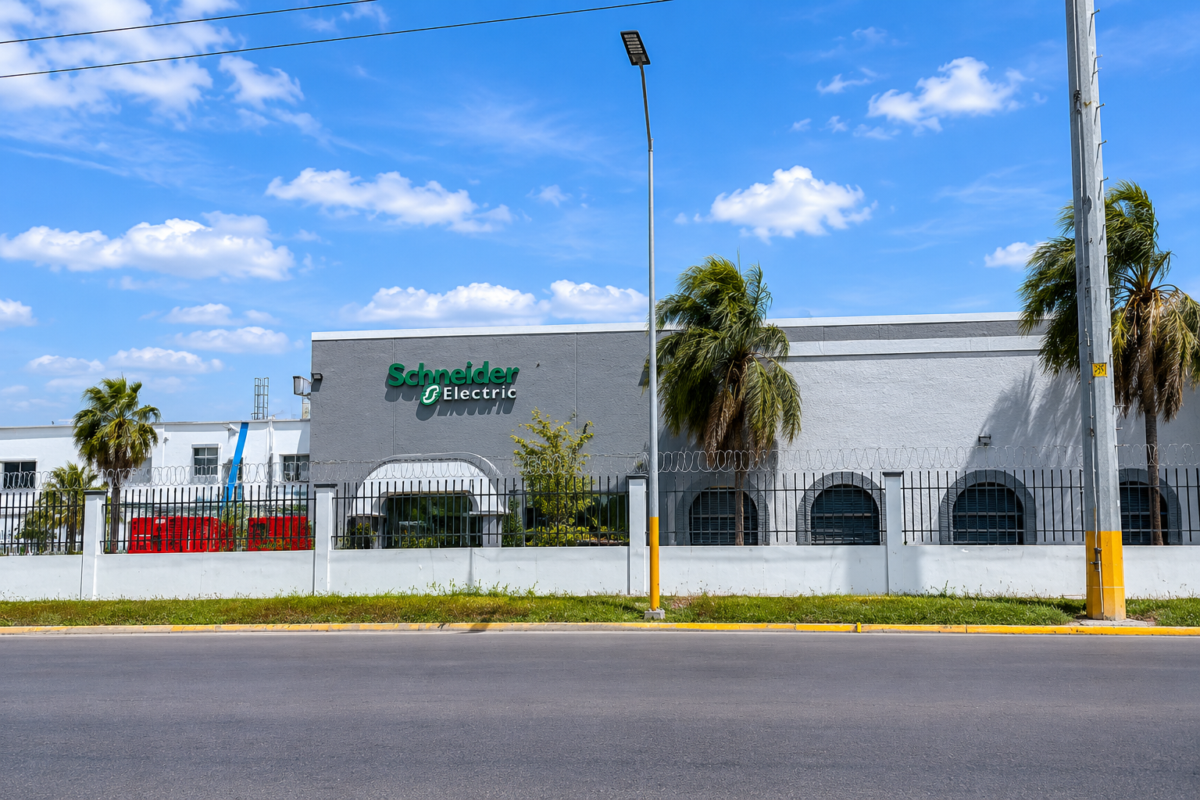
French automotive parts maker Valeo already operates logistic warehouses along the Texas-Mexico border and a maquiladora across the Rio Grande River in Rio Bravo.
But it wasn’t until the McAllen Economic Development Corporation made a routine business retention visit to its Rio Bravo site more than a year ago, that local economic development officials realized they had a chance to land a transformational manufacturing operation.
While the twin-plant maquiladora model along the U.S.-Mexico border has been a mainstay for decades, Valeo leaders say the factories on both sides of the river will produce different products and not rely on each other as part of a streamlined supply chain. Instead, they will share similar expertise, with some employees from Rio Bravo training their counterparts in McAllen.
“We looked throughout the country, we also looked in Mexico because we have a considerable footprint in both countries,” Valeo North America President Jeffrey Shay told the Rio Grande Valley Business Journal.
The company expects to maintain a significant footprint in Mexico — including operations in Río Bravo, Querétaro, and Ciudad Juárez.
The McAllen plant will focus on producing high-value, technology-driven components closer to U.S. customers — like General Motors.
“We had a strategy to put our high-tech, high-value products near our customers, so it made sense to be in the United States,” Shay said.
The $225 million investment, which will produce American automaker General Motors’ next-generation central compute units — a key component in software-defined vehicles — is bringing 500 high-paying manufacturing jobs to South Texas. Officials anticipate it will encourage the manufacturer’s suppliers to relocate or expand too.
Behind the deal
“This project did not happen overnight. It reflects years of work to prepare our community, strengthen our sites, and build relationships that make opportunities like this possible,” Elizabeth Suarez, president and CEO of the McAllen Economic Development Corporation, said. “We are proud to support an investment that brings high-quality jobs and continues to elevate our position in advanced manufacturing.”

In 2024, McAllen EDC employees learned that Valeo had plans for a big expansion, but they initially believed the company was targeting the nearby city of Reynosa.
“Our goal was simple: to do everything possible to support retained investment in our region,” Ralph Garcia, chief operating officer of the McAllen EDC, said, suggesting that even an expansion in Reynosa would benefit the region.
But then EDC leaders later learned it wasn’t an expansion in Mexico but a project in the U.S., with competition across the country.
Valeo told the Rio Grande Valley Business Journal the company considered sites across Mexico, Texas, and the Midwest.
“From that moment forward, our mindset shifted, and we strategized and focused on the work it would take to get Valeo here — site visits, infrastructure evaluations, workforce alignment, industrial partners, construction coordination, relocation support — every detail mattered,” Garcia said.
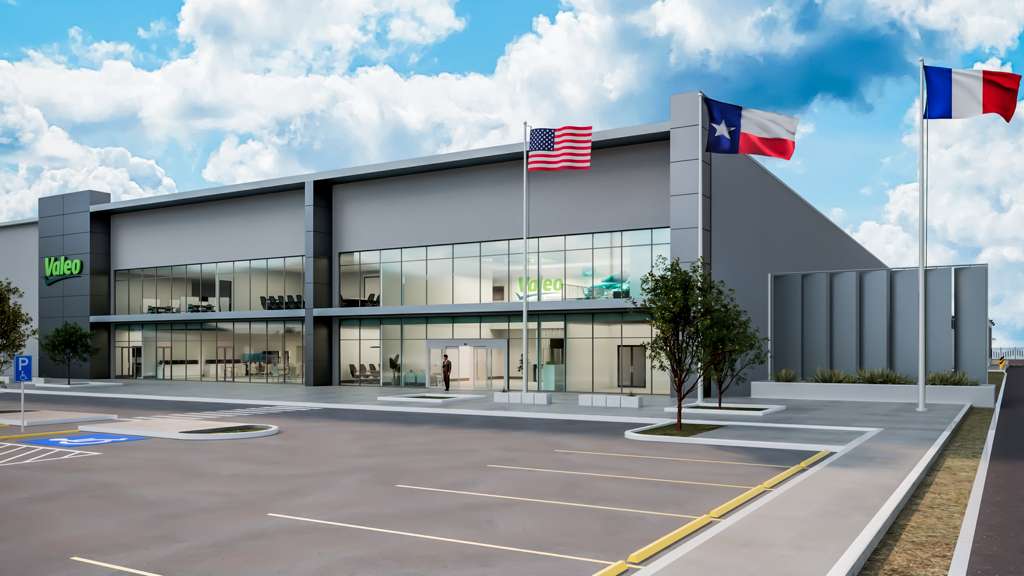
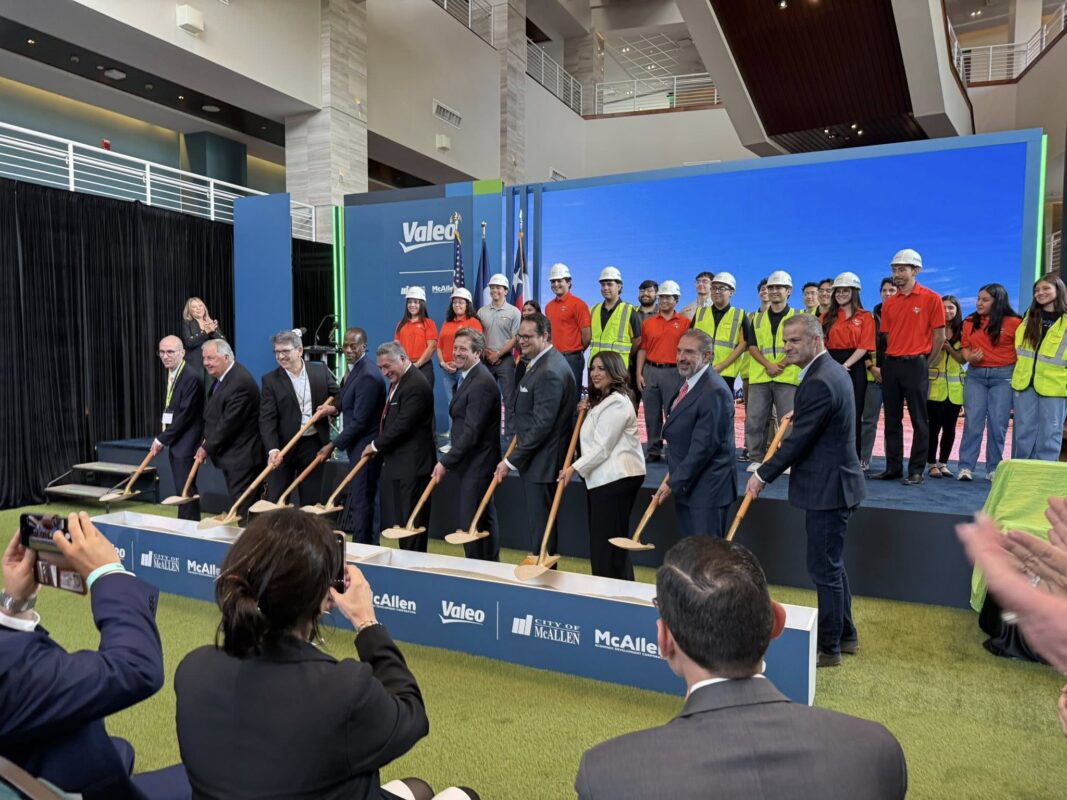
Courtesy of | Valeo
Officials point to a combination of workforce availability, higher education partnerships, and development readiness as key factors in securing the project.
“In McAllen, we found a very welcoming and great talent pool with the local universities [that] have been very supportive, and we see it as a great fit,” Shay said.
Valeo’s new McAllen manufacturing operation is designed to support vehicles that increasingly rely on software. The central compute unit is a liquid-cooled system powered by next-generation processors. Those units need to be able to process massive amounts of data collected by sensors, cameras, and the automotive system to operate the vehicle.
The average pay for the future high-paying specialized jobs was not disclosed; the company expects to conduct market research to align its compensation.
In exchange for the investment, both Hidalgo County and the city of McAllen offered 50% property tax abatement for 10 years as an economic incentive for the project.
Hidalgo County Judge Richard Cortez said that the deal was worth it to attract a top-tier manufacturer and its supply chain, which would bring more companies to the region.
“We gave up some of our tax revenues to really bring Valeo here, so we think it’s a small price to pay to have a company of that stature join us here. They’re going to bring other tier two and tier three companies here,” Cortez said. “They’ll bring other suppliers to this area.”
Closer to the customer
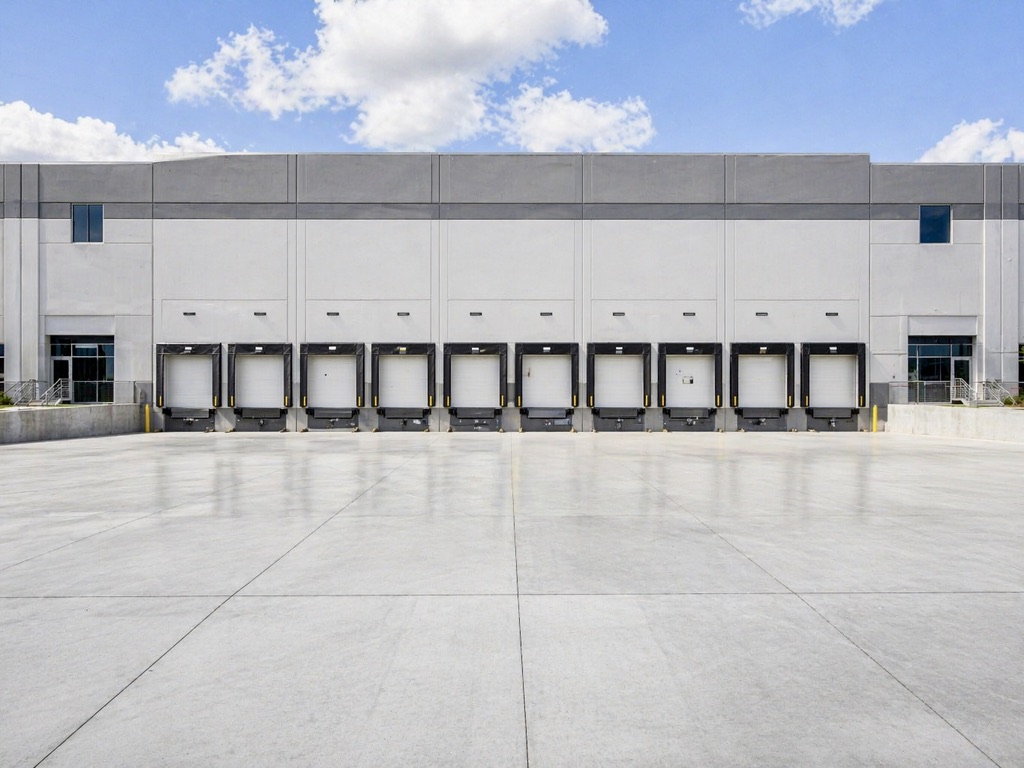
The project will be located within the McAllen Nearshoring Industrial Park, a site designed to accommodate advanced manufacturing operations.
“It’s a build-to-suit turnkey development for them,” developer Joaquin Spamer of CIL Group said. “Companies invest in places where projects can move forward, and partners know how to deliver. One of the reasons this investment is happening in McAllen is because of the preparation. The groundwork was already in place…so this project could move forward with confidence at the speed of business.”
Spamer owns the 8-acre property, meant for manufacturing plants, and is leasing it to Valeo on a long-term basis.
Spamer, who is a leader of an economic development effort known as RioPlex, estimates the construction value at the site is roughly $66 million, excluding any manufacturing equipment inside the building.
Construction on the 337,000-square-foot facility began in late February and is expected to be completed in January 2027.
Tariffs in the rearview
The move is a return to Texas for Valeo, which once operated a manufacturing plant in Grande Prairie, Texas,. That plant produced automotive heating and cooling systems, but it closed in 2002.
While all importers to the U.S. have been adjusting strategy to account for President Donald Trump’s tariff war over the past year, Valeo officials say it wasn’t the driving factor for its decision to open a plant in McAllen.
Valeo mitigated tariffs by shifting costs onto its automotive clients and relocating part of its supply chain — still based in China — to Mexico, because its operations in China faced tariffs higher than 100%.
“Over the last year or so, we’ve seen tariffs changing, not only in the United States, but also in Mexico,” Shay said. “For us, tariffs are a part of doing business. It’s something that we need to deal with — it’s not really the key focus or key decision-making when we look at business for us.”

Kristen Mosbrucker-Garza
Reporter
Kristen Mosbrucker-Garza is a versatile multimedia news reporter who lives and works along the Texas-Mexico border in Hidalgo County. Mosbrucker-Garza is a news reporter for the Rio Grande Valley Business Journal. During her career she's worked for the McAllen Monitor, San Antonio Business Journal, The Advocate Newspaper in Louisiana, Phoenix New Times, and public media outlets in Baltimore and Philadelphia.
Most Read
- How much water does SpaceX need to operate near Brownsville? Nearly 20x its current use
- Could apartment-to-condo conversion help make $100K homeownership in the McAllen metro more affordable? One investor says yes.
- SpaceX’s futuristic city of Starbase finalizes massive 7,100-acre annexation. Here’s what we know.
- Cameron County is negotiating a $20M Fluidstack data center donation after Harlingen waffles on the same offer
- Fluidstack breaks ground on $4 billion Cameron County AI data center
Get the latest business news delivered to your inbox every morning for free.
Try 30 Days Free!
Get full access to award-winning journalism covering business, real estate, health care, economic trends, and the people shaping the Rio Grande Valley.
30 Days Free!
$9.95/month
Limited time offer
Subscription renews after your 30 day free trial at $9.95/mo.
Included Benefits
- Unlimited access to all articles
- Daily business news and analysis
- Subscriber-only content and features
Stories That Matter
- What we know about Zoho Corporation and what could be built at its 1,000-acre campus
- SpaceX bought some water rights from the Rio Grande River. Here’s what we know.
- Foreign-Trade Zone No. 12 expands into Willacy County
- Mission’s first Small Business Expo puts $25K on the line for local entrepreneurs
- Reynosa’s newest technical high school focuses on AI, semiconductors and bionics
- McCoy’s gives $10K, tools to launch Mid-Valley construction academy
- UT Health RGV performs new digestive procedure for first time in the Valley
- TSTC bets on advanced manufacturing to meet RGV’s industrial boom
- Pharr’s cross-border business push earns international recognition
- Brownsville eases drought restrictions after nearly three years as Rio Grande reservoir levels improve