The U.S. Department of Agriculture’s (USDA) Animal and Plant Health Inspection Service confirmed Wednesday the first detection of New World Screwworm in a South Texas calf.
According to the USDA, larvae were identified in the umbilical area of a three-week-old calf in Zavala County, about 280 miles away from McAllen.
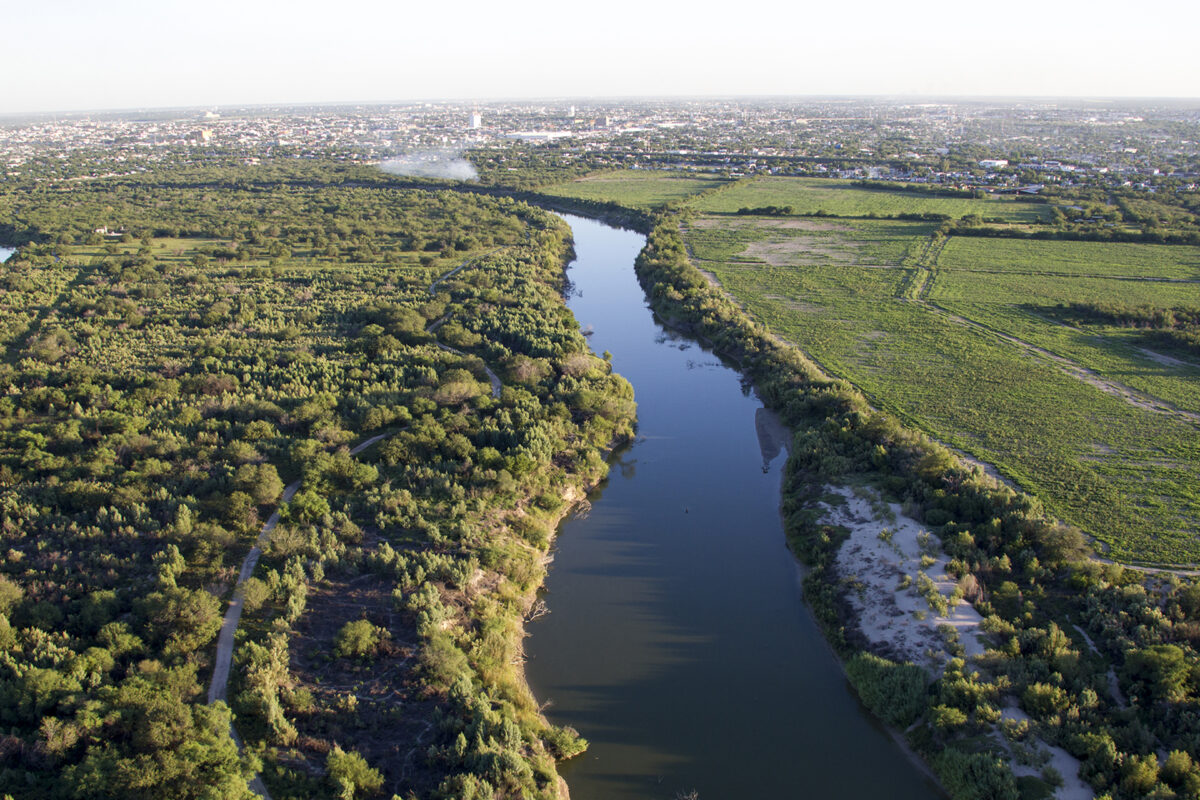
On Tuesday, the department said that screwworm had been detected in Mexico within 25 miles of the Texas border.
On Wednesday, U.S. Agriculture Secretary Brooke Rollins said the screwworm specimen had been shipped to Ames, Iowa and tested by the National Veterinary Services Laboratories.
Rollins, who has described Texas as “ground zero” in America’s fight against the pest, expressed confidence in the state’s response.
“Texas cattle and livestock producers are the backbone of our state and our nation. We will meet this challenge head-on,” she wrote in a social media post.
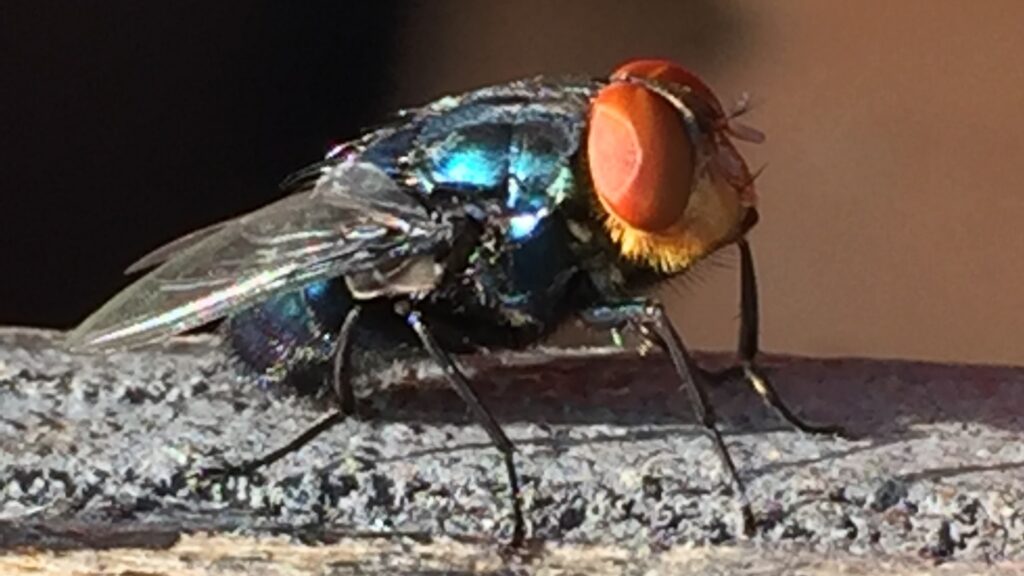
Photo Credit | USDA
The screwworm fly lays its eggs in the open wounds of any warm-blooded animal, eggs that then hatch into flesh-eating maggots.
An infestation can severely harm or kill an animal, and screwworms had a significant economic impact on the United States’ cattle industry and wildlife before they were eradicated locally in the 1980s.
Screwworms persisted in South and Central America and have gradually crept northward in recent years.
According to the USDA, the confirmed case is prompting the implementation of a number of responses, including a quarantine and surveillance zone, the formation of a unified command team, targeted release of sterile flies, increased fly trapping and outreach in the area.

Rio Grande Valley leaders have stressed the need for awareness and vigilance in response to the threat, though they also say screwworms aren’t a cause for panic.
“The reports of the first case of new world screwworm in the United States is something we’ve been preparing for. It’s important that everyone understands this is not just a rancher problem, this is not just an agriculture problem,” Hidalgo County Farm Bureau President Isaac Sulemana said Wednesday. “We need to be prepared to work together, avoid misinformation, and understand that in 2026 we have more tools, skills and information than we did 50 years ago when this was eradicated.“
Hidalgo County Judge Richard F. Cortez said Wednesday that he and the Valley’s other county judges planned to meet Thursday to discuss a regional response to the threat based on the advice of the state.
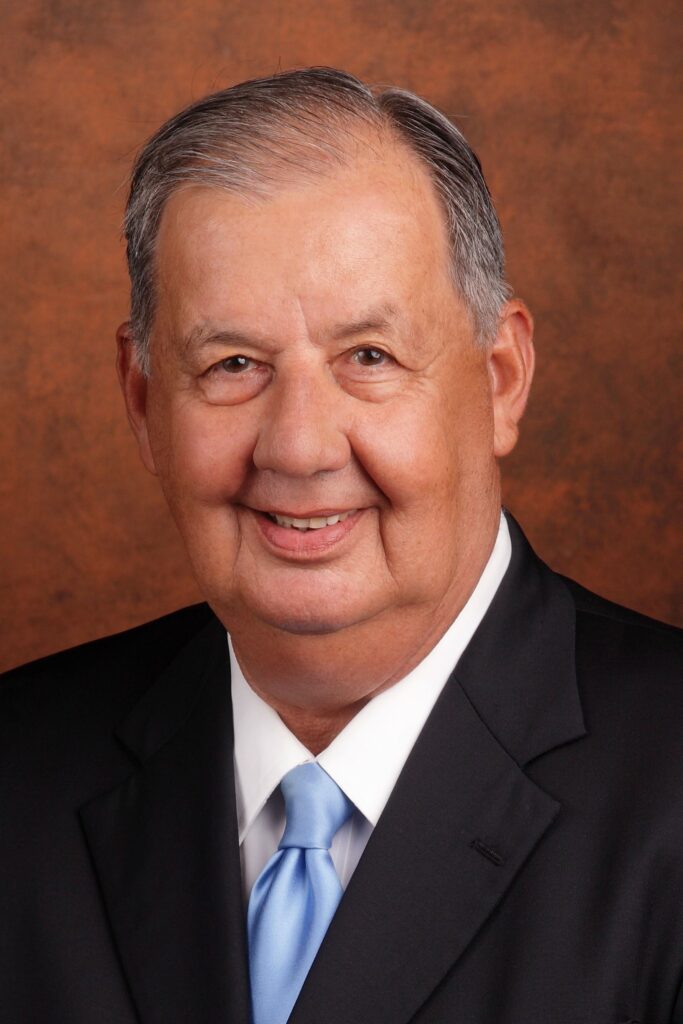
“We are a region and we want to have uniform rules, uniform protection. We don’t want some areas to be better or worse than others. We want everyone to act cohesively in the best reproach. We learned that working together is better than not working together during COVID,” Cortez said.
He largely expressed confidence in the agricultural industry’s ability to respond to screwworms.
Though ranchers haven’t dealt with the fly in decades locally and dealing with it takes a significant amount of work, the Texas cattle industry has survived screwworm before.
There’s also a tried and true method to eradicate the pest through sterile fly dispersals, which interrupts the screwworms breeding cycle.
The federal government is currently dispersing flies by the million and has pumped hundreds of millions of dollars into upping its dispersal capacity, including a new $750 million facility in Edinburg.
Cortez said he’s more concerned about spreading awareness about screwworm to the Valley’s non-agricultural community.
Screwworms are traditionally viewed through the context of cattle, where they can have a significant economic impact.
They do, however, infest any warm-blooded animal, including cats, dogs and humans.
“I think everybody should be aware of some of the precautions to take and be part of the mitigation of this disease,” Cortez said.

Matt Wilson
Reporter
Matt Wilson is a Hidalgo County–based freelance reporter and contributor to the Rio Grande Valley Business Journal. He previously covered education and general assignment for The Monitor, frequently writing about the dramatic ways business changed during the coronavirus pandemic. Before that he worked as a reporter in rural Central Texas where he covered everything from house fires to school board meetings.
Most Read
- 5×5 Brewing plots $2.5M comeback with new Edinburg brewpub near UTRGV
- Workforce leaders say the Rio Grande Valley job market isn’t what you think
- What Toyota’s $3.6B San Antonio expansion could mean for the Rio Grande Valley
- Turkish shipbuilder Karpower buys 302 acres near Port of Brownsville
- South Padre Island leaders are exploring paid parking for beach visitors. Here’s what you need to know
Get the latest business news delivered to your inbox every morning for free.
Try 30 Days Free!
Get full access to award-winning journalism covering business, real estate, health care, economic trends, and the people shaping the Rio Grande Valley.
30 Days Free!
$9.95/month
Limited time offer
Subscription renews after your 30 day free trial at $9.95/mo.
Included Benefits
- Unlimited access to all articles
- Daily business news and analysis
- Subscriber-only content and features
Stories That Matter
- Google helps fund solar expansion for low-income Hidalgo County homeowners
- Mission’s first Small Business Expo puts $25K on the line for local entrepreneurs
- McCoy’s gives $10K, tools to launch Mid-Valley construction academy
- UT Health RGV performs new digestive procedure for first time in the Valley
- TSTC bets on advanced manufacturing to meet RGV’s industrial boom
- Pharr’s cross-border business push earns international recognition
- New Brownsville industrial park construction moves forward with federal $2.5M grant
- Brownsville eases drought restrictions after nearly three years as Rio Grande reservoir levels improve
- Texas A&M’s $53.5M McAllen research center will tackle water, food security and Valley health
- STC puts AI to work across 55 courses — from construction sites to car repair