In a market once defined by affordability and steady growth, the Rio Grande Valley’s housing landscape is changing — and not always in ways that benefit buyers or builders.
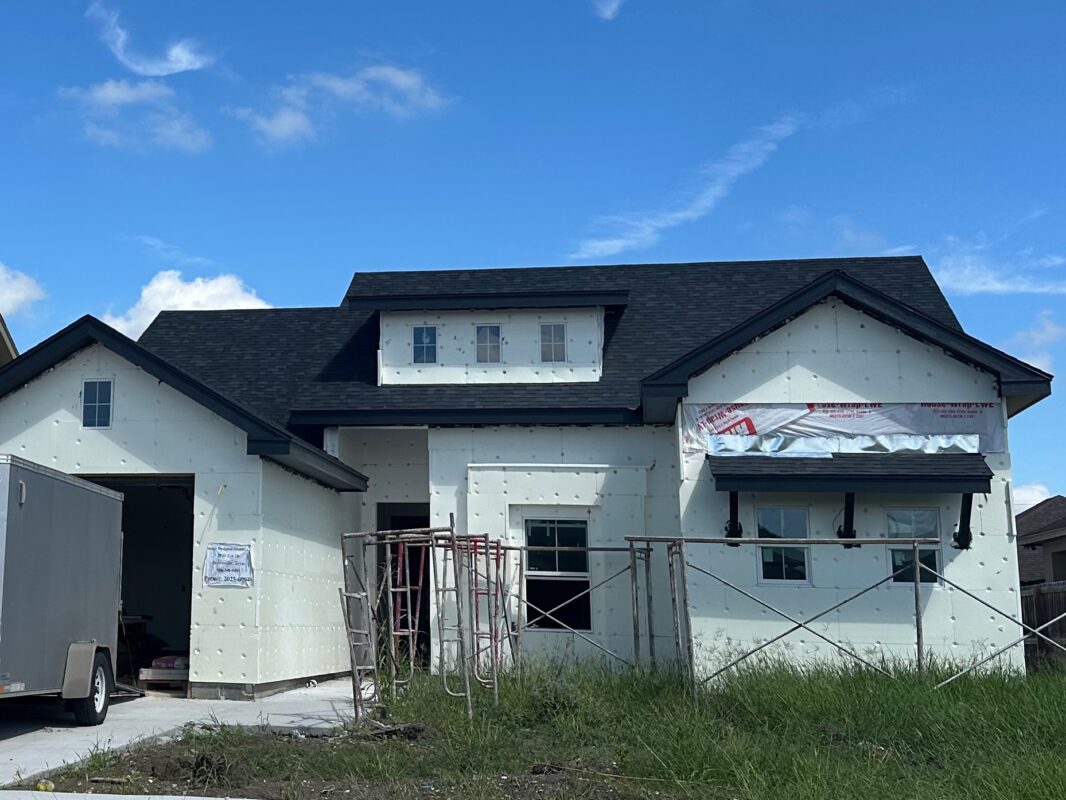
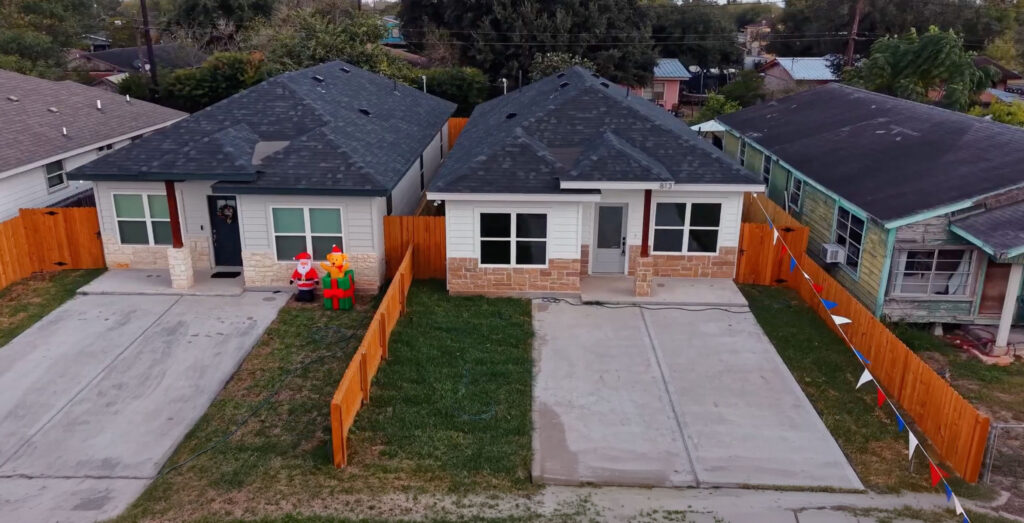
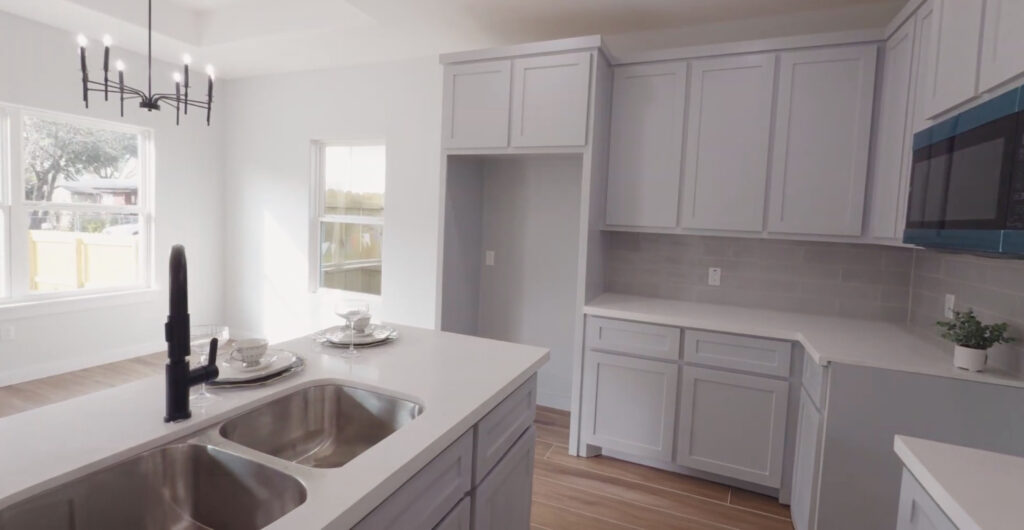
In a recent on-camera interview, Nacho Pecina III, broker and owner of Zapphire Real Estate Group and incoming 2026 president of the Greater McAllen Association of Realtors, walked through a newly constructed home in Pharr priced at $195,000.
While that price point would have been unremarkable a decade ago, today it stands out for being one of the few new homes under $200,000 close to the expressway — even with efficient design elements like fully insulated walls and soundproofing. Pecina said market conditions — especially escalating costs of land, labor, and materials — are squeezing builders and buyers alike.
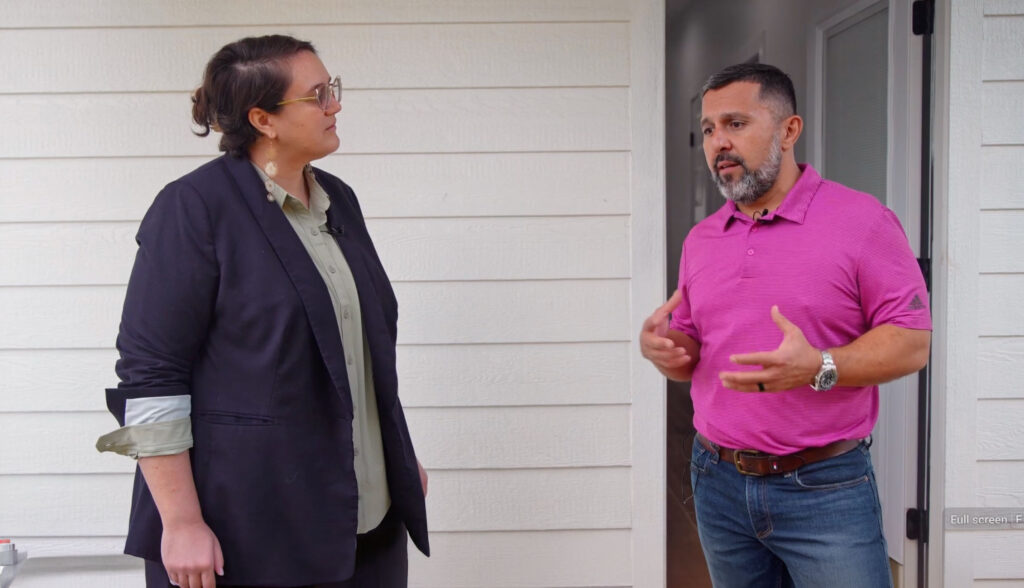
“Ten years ago, construction costs were around $110–$120 a square foot,” Pecina said. “Today we’re around $160 per square foot. Land, materials, and labor — all of it has gone up.”
Builders like Pecina are now having to offer incentives such as appliance packages and seller concessions to attract buyers, a strategy that reflects broader market dynamics.
A buyer’s market with builder challenges
Local data shows inventory in the McAllen-Edinburg-Mission metropolitan area climbed sharply in 2025, reaching a near 20-year high with more than 3,000 active listings and roughly 9 months of supply, well above the six-month benchmark for a balanced market.
The result is a buyer’s market — but one with mixed signals for valuation and affordability:
- Median sale prices: Redfin data indicates the median home price in McAllen sat around $260,000 in late 2025, down slightly year-over-year, and homes lingered longer on the market than in previous years.
- Inventory Trends: Federal Reserve data show new listing counts remain high, demonstrating sustained supply.
This aligns with national trends showing inventory rising faster than many analysts expected in 2025, which helped moderate price growth and set the stage for a slightly more balanced market heading into 2026.
Yet it’s not all relief. Elevated mortgage rates and affordability challenges kept many buyers on the sidelines nationally, according to the National Association of Home Builders, even as some builders cut prices to stimulate sales.
Affordability: still a struggle, but not uniformly so
Traditionally, the Rio Grande Valley has been one of the more affordable housing regions in Texas — often attracting first-time buyers, retirees, and remote workers. However, Pecina’s experience reflects a nuanced reality: even buyers in more affordable markets are feeling the pinch from rising property taxes, insurance, and higher mortgage escrow costs.
Mortgage rates, which hovered near 7% earlier in 2025, have shown signs of easing toward the low-6% range as the Federal Reserve adjusted policy late in the year — offering a modest boost in affordability.
National data also underscore that while affordability problems remain widespread, the increase in inventory and slight moderation in price growth are helping to ease some pressure.
Costs that won’t quit
Pecina’s interview also brought builders’ cost concerns into sharp focus:
- Concrete and framing costs have jumped significantly over the past decade — concrete alone has risen roughly 30%, he explains.
- Supply chain disruptions, including those that affected OSB (oriented strand board) pricing during the COVID era, contributed to material volatility.
- Labor shortages also persist, especially for skilled crews, adding another layer of pressure on builders.
These rising inputs contribute to why even homes at lower price points are no longer easy to build or sell — despite strong demand for affordable product.
Looking ahead
National forecasts suggest the housing market in 2026 may see further inventory gains and modest increases in new construction, potentially stabilizing supply conditions. The National Association of Realtors expects new home sales to rise, which could ease some supply constraints if builders can overcome cost hurdles.
At a local level, steady population growth and economic drivers such as international trade and healthcare continue to support housing demand in the Valley.
Yet experts caution that affordability improvements are likely to be gradual rather than dramatic, hinging on continued inventory growth, slightly lower mortgage costs, and measured price increases.
Bottom line for Valley buyers and builders
While the Rio Grande Valley remains more affordable than many major U.S. metros, persistent cost pressures — from land prices to labor and insurance — are reshaping what affordable housing means in 2026.
Builders like Pecina are adapting with incentives and efficiency-focused construction, but the broader market’s evolution suggests that buyers and sellers alike must navigate a complex mix of inventory dynamics, financing costs, and regional economic conditions.

RGV Business Journal Staff
Staff
Most Read
- SpaceX is giving Brownsville $220M for water projects. In exchange, the city gave up zoning control of 444 acres near Starbase
- SpaceX seeks to take zoning control over nearly 450 acres from city of Brownsville as a ‘regional’ water deal takes shape
- Port of Brownsville could soon host Nodule City, a first-of-its-kind commercial deep-sea mining hub
- Cameron County is negotiating a $20M Fluidstack data center donation after Harlingen waffles on the same offer
- How much water does SpaceX need to operate near Brownsville? Nearly 20x its current use
Get the latest business news delivered to your inbox every morning for free.
Try 30 Days Free!
Get full access to award-winning journalism covering business, real estate, health care, economic trends, and the people shaping the Rio Grande Valley.
30 Days Free!
$9.95/month
Limited time offer
Subscription renews after your 30 day free trial at $9.95/mo.
Included Benefits
- Unlimited access to all articles
- Daily business news and analysis
- Subscriber-only content and features
Stories That Matter
- McAllen’s $204M water investment expects to seek construction bids in 2027
- Saronic lands Navy landing craft contract, first build at Brownsville’s Port Alpha
- The Rio Grande Valley’s tech industry is small but growing — meet some of the next-gen workforce
- Entrepreneurs enter Mission EDC’s ‘Shark Tank’ competition for $25K top prize
- Mission’s first Small Business Expo puts $25K on the line for local entrepreneurs
- Reynosa’s newest technical high school focuses on AI, semiconductors and bionics
- McCoy’s gives $10K, tools to launch Mid-Valley construction academy
- UT Health RGV performs new digestive procedure for first time in the Valley
- TSTC bets on advanced manufacturing to meet RGV’s industrial boom
- SpaceX reschedules Starship’s first flight around the Earth