There is no sign so far of the New World screwworm in South Texas, a flesh-eating pest that has ravaged cattle in northern Mexico, and U.S. officials remain on the hunt.
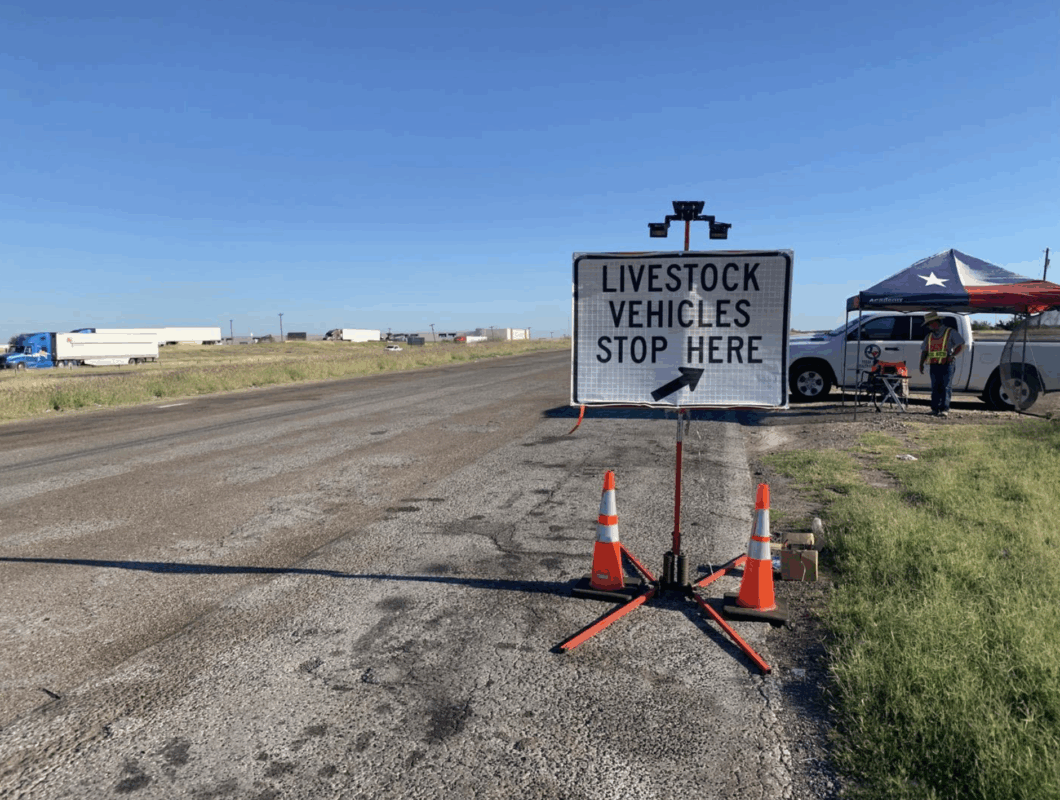
Inspection stations on several highways from the Valley to central and north Texas are checking livestock transports for screwworm and other diseases. In late October, the Texas Animal Health Commission (TAHC) announced on its social media channels that livestock vehicle inspections would continue to operate. The stations are mobile and can be relocated as needed.
Courtesy of | USDA
Isaac Sulemana, chief of staff for Hidalgo County Judge Richard F. Cortez, told the RGV Business Journal this week that no screwworms have been found in South Texas. Sulemana added that a livestock inspection station is currently located just north of the U.S. Border Patrol checkpoint near Falfurrias on Highway 281.
TAHC officials are authorized to issue citations to anyone who does not stop at livestock inspection stations, whether live animals are being transported or empty trailers are hauled. TAHC can also conduct road stops to ensure anyone moving livestock meets all health requirements, in order to control disease.

Suleman said the county judge’s office has worked closely with Dr. Thomas Lansford of TAHC, who confirmed no screwworm flies have been found north of the river.
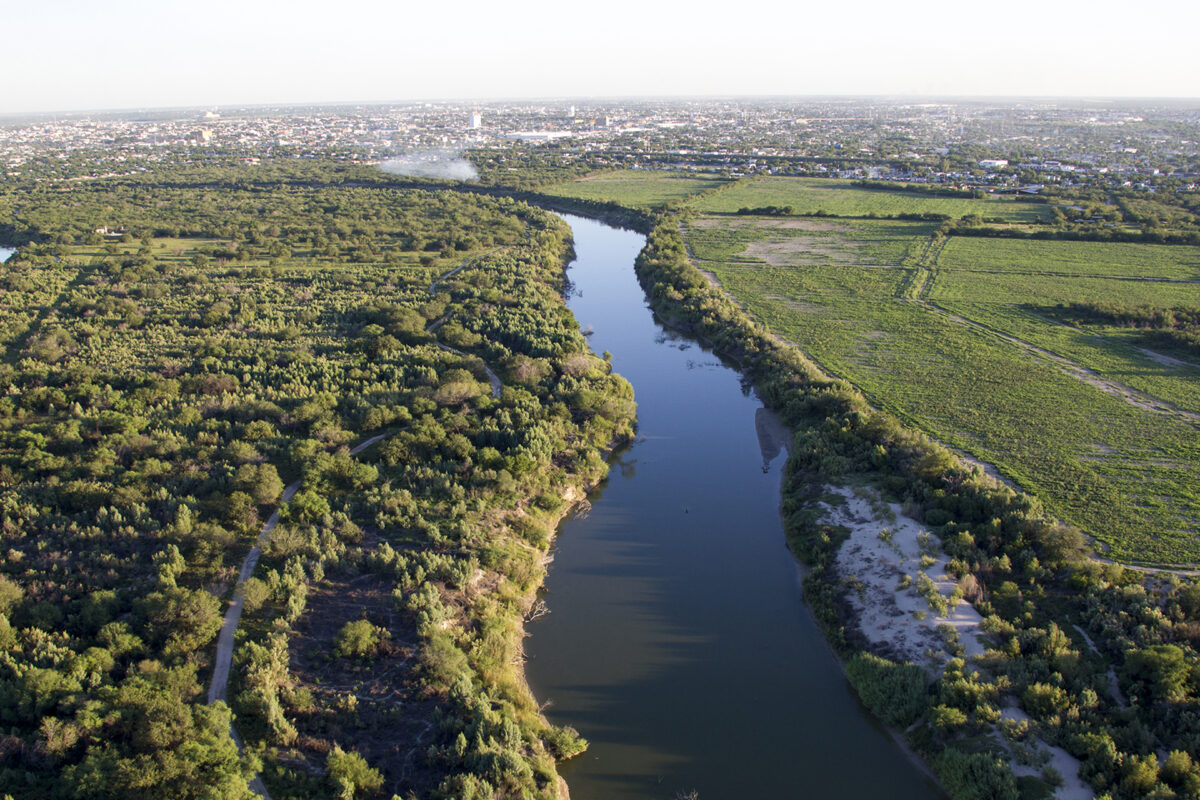
“The USDA still has traps up and down the river, and there is no screwworm detection as of yet,” Sulemana said.
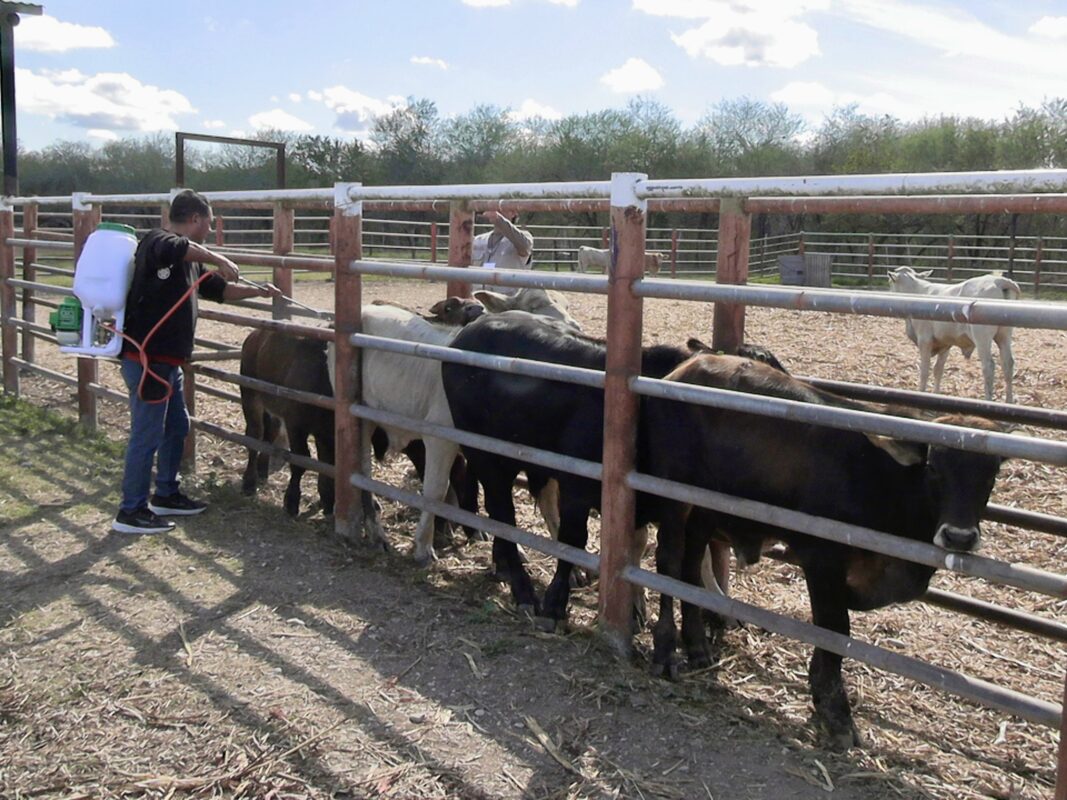
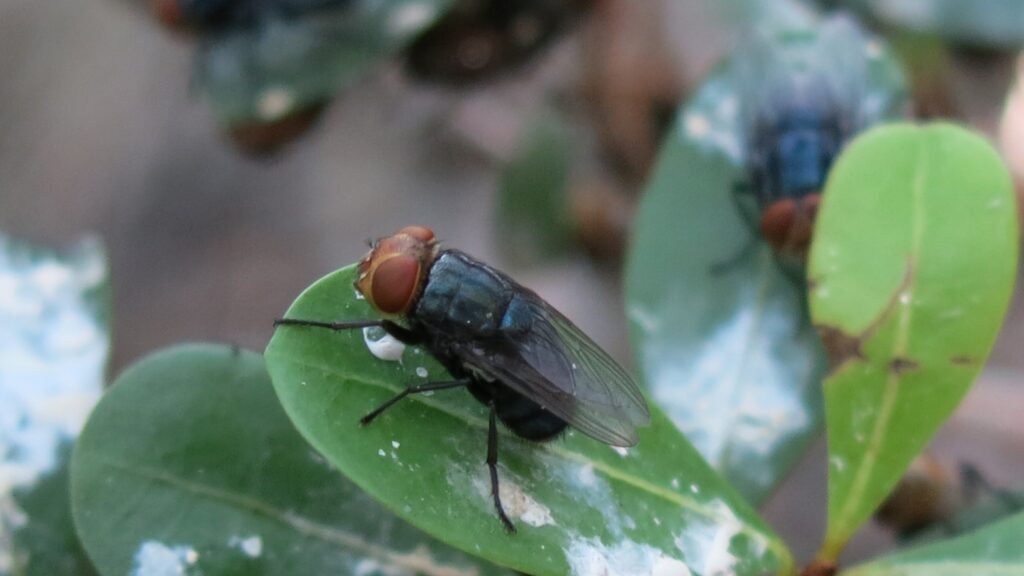
Earlier this year, the United States blocked imports of live cattle from Mexico as the screwworm was detected less than 70 miles south of the border in Nuevo Léon. The parasitic fly attacks cattle by entering through a wound and laying eggs. It also eats the animal’s flesh.
The U.S. Department of Agriculture opened a sterile fly dispersal facility in Tampico, Mexico, on Nov. 13, and according to its website, about 100 million sterile flies are released each week as the U.S. seeks to strengthen its invisible shield against the epidemic.
The USDA has also begun construction of a sterile fly facility at Moore Air Base, which is about 14 miles northwest of Mission. Officials estimate it will be operational early next year. The inactive U.S. Air Force base was instrumental in eradicating the screwworm in the 1960s.
On social media, TAHC asked Texas hunters to keep an eye out for screwworm infestation and fever tick, a different microscopic parasite, and report any findings to TAHC’s Raymondville office at (956) 248-5204.

Alma Santos
Reporter
Alma Santos is a RGV native and a freelance writer for RGV Business Journal. Since the 90s, Alma has written for Reuters, The Monitor, Progress Times, Valley Town Crier and was a member of the press pool at the state capital in Austin, covering legislative sessions for news of interest to Valley residents.
Most Read
- SpaceX is giving Brownsville $220M for water projects. In exchange, the city gave up zoning control of 444 acres near Starbase
- SpaceX seeks to take zoning control over nearly 450 acres from city of Brownsville as a ‘regional’ water deal takes shape
- Port of Brownsville could soon host Nodule City, a first-of-its-kind commercial deep-sea mining hub
- Cameron County is negotiating a $20M Fluidstack data center donation after Harlingen waffles on the same offer
- How much water does SpaceX need to operate near Brownsville? Nearly 20x its current use
Get the latest business news delivered to your inbox every morning for free.
Try 30 Days Free!
Get full access to award-winning journalism covering business, real estate, health care, economic trends, and the people shaping the Rio Grande Valley.
30 Days Free!
$9.95/month
Limited time offer
Subscription renews after your 30 day free trial at $9.95/mo.
Included Benefits
- Unlimited access to all articles
- Daily business news and analysis
- Subscriber-only content and features
Stories That Matter
- McAllen’s $204M water investment expects to seek construction bids in 2027
- Saronic lands Navy landing craft contract, first build at Brownsville’s Port Alpha
- The Rio Grande Valley’s tech industry is small but growing — meet some of the next-gen workforce
- Entrepreneurs enter Mission EDC’s ‘Shark Tank’ competition for $25K top prize
- Mission’s first Small Business Expo puts $25K on the line for local entrepreneurs
- Reynosa’s newest technical high school focuses on AI, semiconductors and bionics
- McCoy’s gives $10K, tools to launch Mid-Valley construction academy
- UT Health RGV performs new digestive procedure for first time in the Valley
- TSTC bets on advanced manufacturing to meet RGV’s industrial boom
- SpaceX reschedules Starship’s first flight around the Earth