When Space Exploration Technologies Corporation plans a rocket launch in deep South Texas, it often brings tens of thousands of visitors to the communities of Brownsville, Port Isabel, Boca Chica Beach, Laguna Vista, South Padre Island, and, of course, SpaceX’s newest city of Starbase.
Those visitors are often hoping to catch a glimpse of a rocket launch, and some previously told the Rio Grande Valley Business Journal that they can also feel the earth shake while sitting on the beach of Isla Blanca Park in Cameron County, on the tip of South Padre Island.
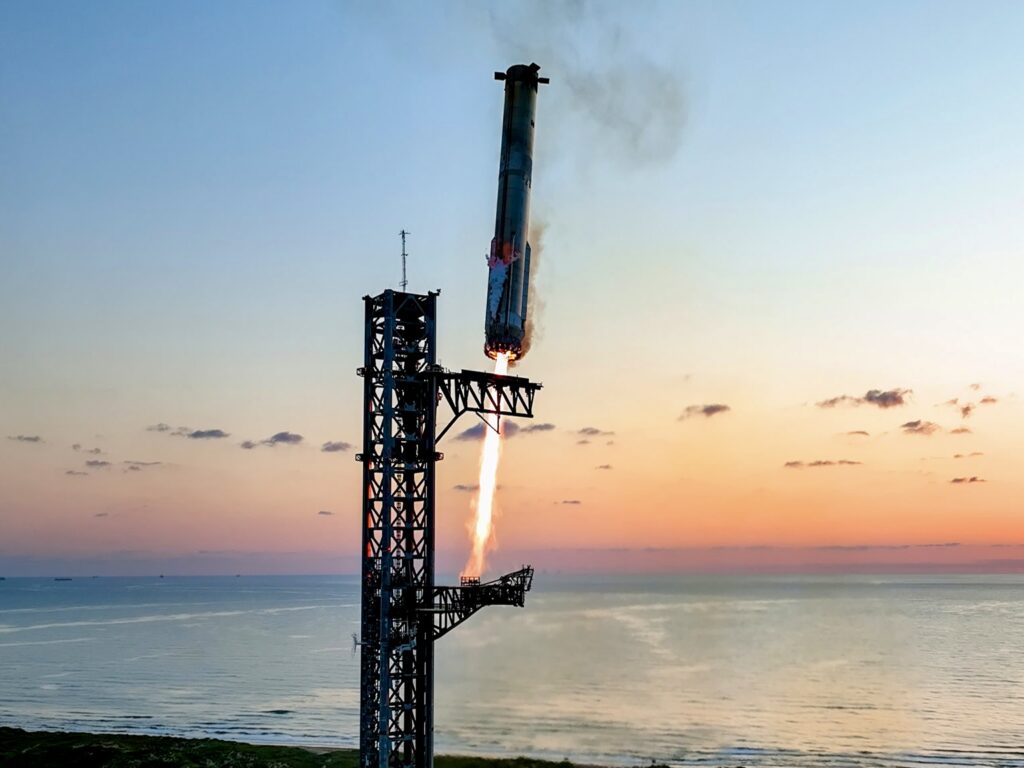
It’s estimated that the company’s rocket propulsion system generates 16.7 million pounds of thrust and produces 127 gigawatts of power during launches.
For some, that once-in-a-lifetime experience draws tourists to the region and boosts the local economy.
But for some property owners within a few miles of Starbase, that earth-shaking feeling has caused damage to single-family homes, apartments, and condos, according to claims in a lawsuit filed in April.
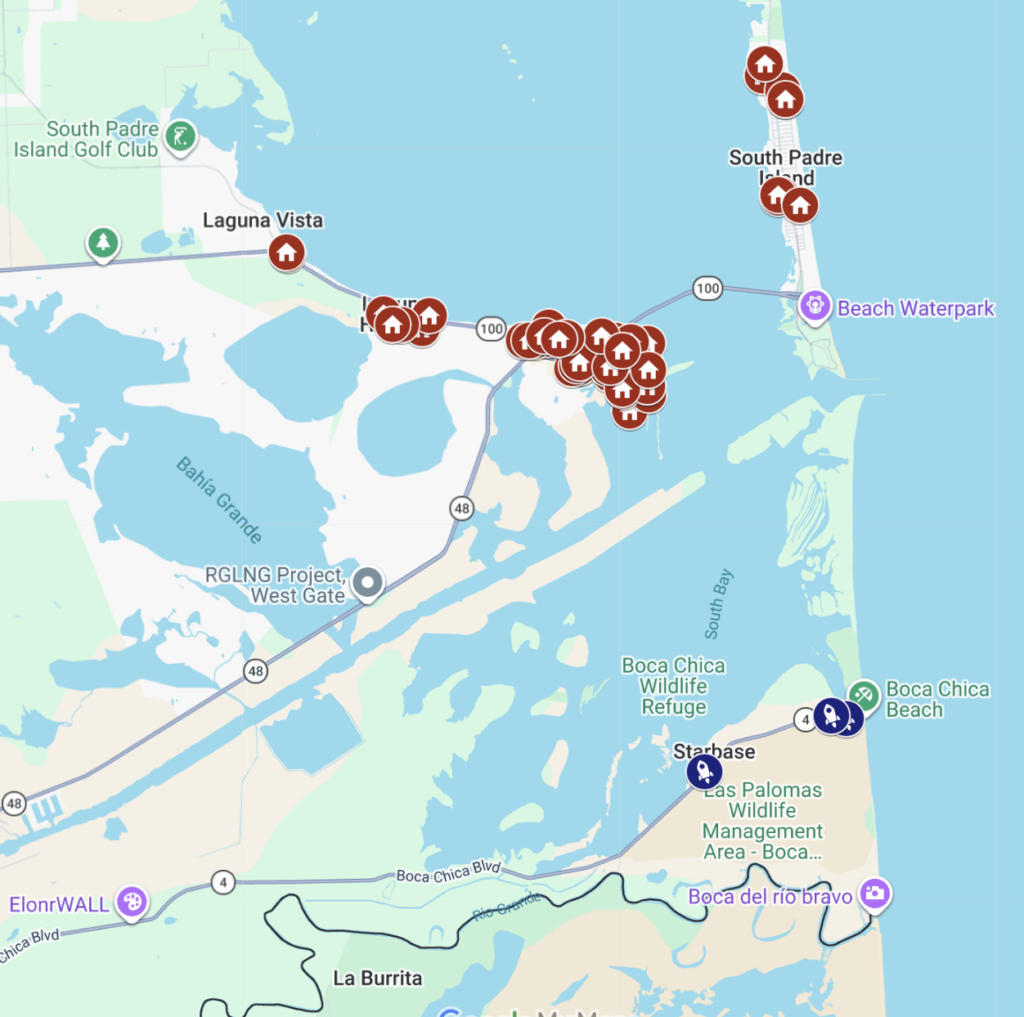
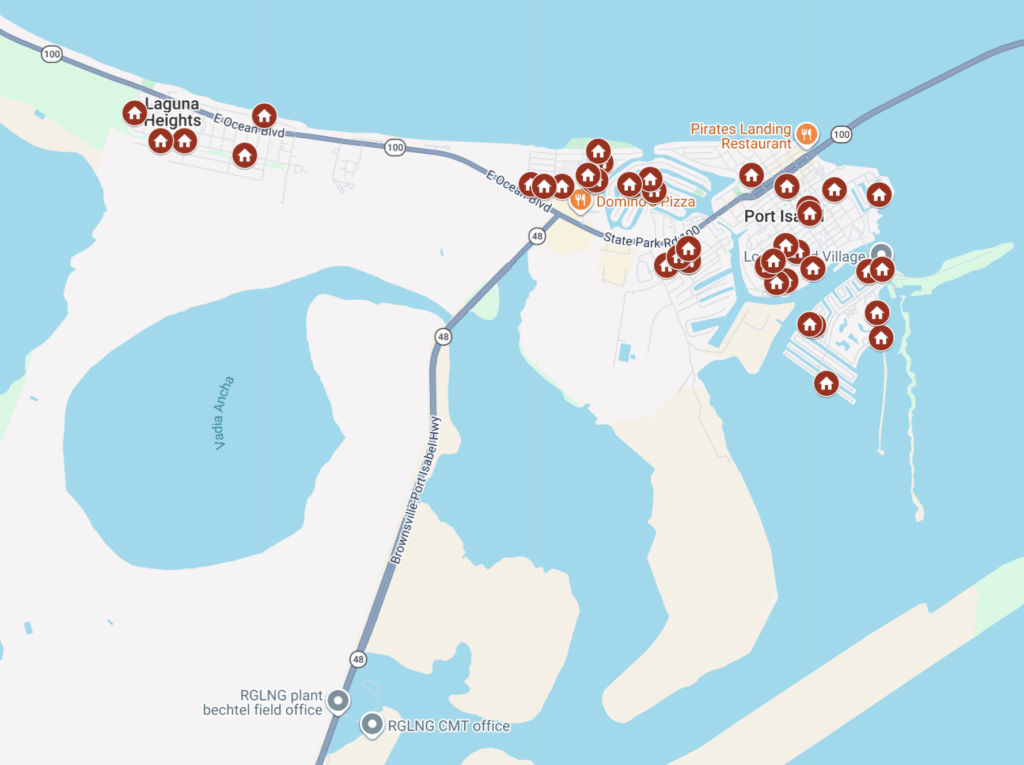
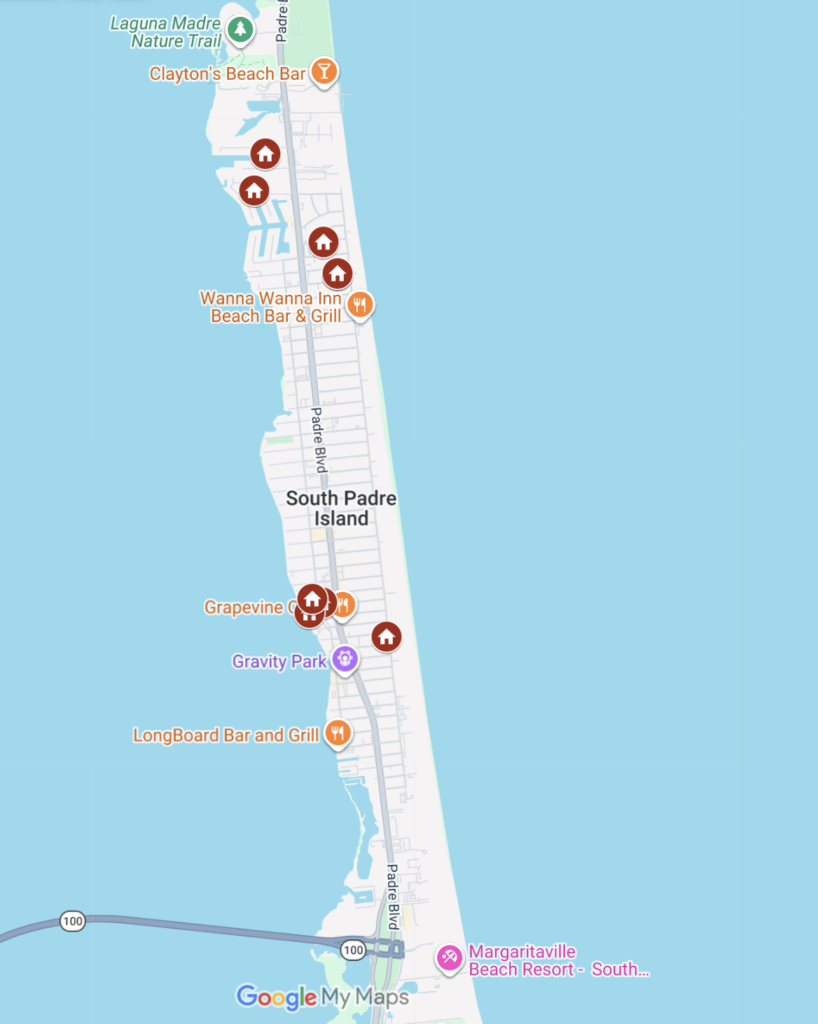
The largest concentration of claims stem from homeowners in Port Isabel, with a few on South Padre Island and in Laguna Heights nearby, according to a map created by the Journal. The value of the properties ranges broadly from roughly $200,000 to about half a million dollars.
“SpaceX deliberately constructed this colossal, skyscraper‐sized infrastructure mere miles from coastal residential communities. In doing so, SpaceX explicitly engineered the site to support the most energetically violent and acoustically severe rocket launches in human history,” attorneys for the property owners said in court filings.
SpaceX attorneys have not yet refuted any property damage in court, and instead are asking the judge to dismiss non-economic claims, or pain and suffering, before a jury trial. Neither attorneys for SpaceX nor the property owners responded to a request for comment for this story.
“Plaintiffs allege only pure property loss — alleging that SpaceX’s rocket launches caused structural damage to their properties, entitling them to both “economic and non-economic damages. But noneconomic damages are unavailable as a matter of law for Plaintiffs’ allegedly injured property,” according to SpaceX’s attorney.
The city of Port Isabel has been collecting submissions of SpaceX related damage from homeowners and businesses for general information as well.
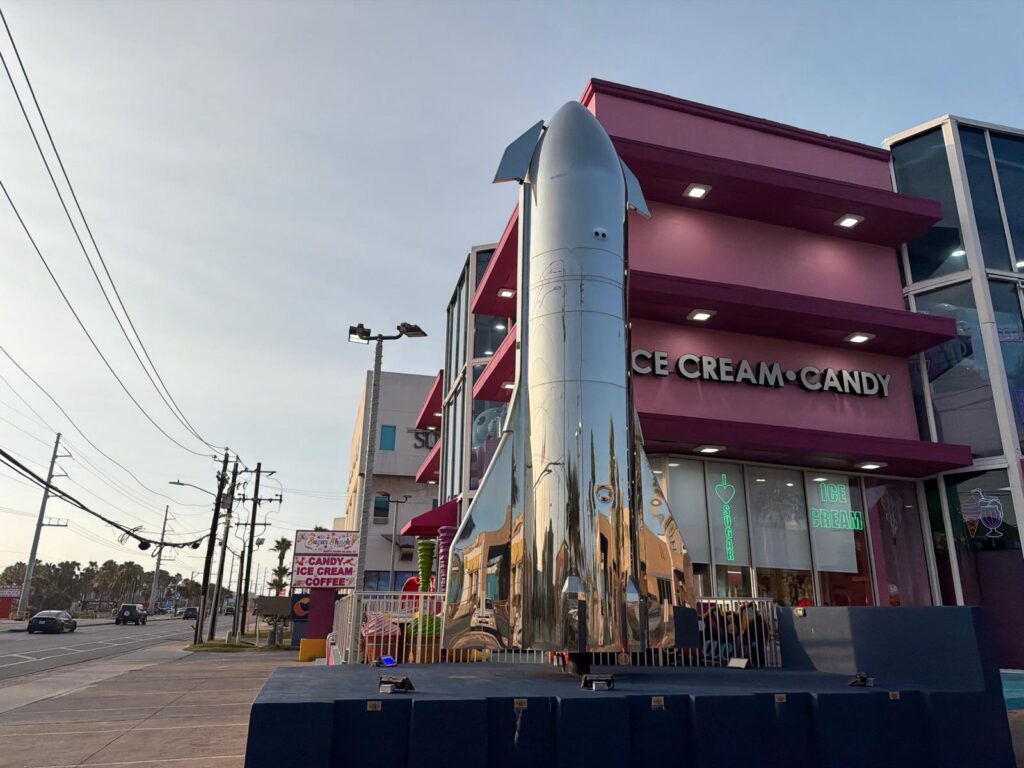
There’s no debate that SpaceX’s operations contribute to unnatural earth movement from the force of rockets propelled into outer space — but the biggest question is whether any potential damages to homes or businesses are covered by standard insurance policies.
And whether that new risk could dissuade any new investment from the region, or make financial underwriting more difficult for properties in the line of a new unpredictable damage.
For example, Cameron County soon plans to issue a request for proposals to entice an “upscale resort” and hotel developer to build on a nearly 9-acre site of unincorporated South Padre Island property. The City of South Padre Island is pitching a brand new $60 million convention center. The planned second causeway to South Padre Island could bring more demand for growth on the Island’s north end in the coming years, too.
Those new buildings would likely be built to withstand typical perils, such as a hurricane, strong winds from a tropical storm, flooding, storm surge and hail — but at least two dozen earthquakes from super powerful rockets launching each year would be a new consideration.
The concept of offering insurance policies to cover damage caused by sonic booms and man-made earthquakes, or even submitting claims, is new for South Texas, a long-time insurance agent told the Journal.
Brownsville-based insurance broker Bert Whiseant Jr., who has worked in insurance since the 1970s, described the insurance situation for commercial properties seeking protection or filing claims for SpaceX-related damage as “virgin and unexplored territory at the moment.”
“We’ve had a few clients who mentioned they have felt their building shudder as the rockets were being tested or lifting off,” Whiseant Jr. said. “There have been no actual claims filed through our agency.”
For a commercial property, there are usually three types of insurance: basic, broad, and special form. Basic form insurance is known as a “named perils” insurance coverage.
“In order to have a loss covered, the damage has to be caused by a specifically named peril — fire, lightning, smoke, windstorm, hurricane, hail, explosion, riot, civil commotion, vandalism, malicious mischief, aircraft and land vehicles,” Whiseant Jr. said. “If the damage wasn’t caused by one of those items, it is not covered.”
In order to have aircraft-related damage covered by insurance, the vehicle or its parts would need to make physical contact with the insured structure.
Then there’s additional coverage under broad form, which would include theft and water damage caused by burst pipes and other similar issues.
A third type of insurance is special form, which encompasses “all risk of physical damage form of coverage” but it excludes war, insurrection, rebellion, nuclear radiation or fallout, flood, earthquake, ordinance or law, government condemnation, or collapse due to poor workmanship.
“We could not find any specific exclusion for damage caused by sonic boom, or soundwave caused by spacecraft or aircraft,” Whiseant Jr. said. “The insurance industry being the way it is, however, will want proof of the damages (i.e. photos), and an engineer’s report stating that the building is damaged and other reports that can prove damage to the structure. A building that may suffer blown-out glass, windows or doors from a spacecraft boom would be easily provable and is covered by the special form insurance.”
However, any insurance claim would be subject to a deductible first, he said.
Plus, property owners seeking windstorm insurance in coastal counties of Texas are not likely to find coverage in a standard policy, but instead must purchase a separate plan through the Texas Windstorm Insurance Association or a private company.
SpaceX is also required by the Federal Aviation Administration to have its own insurance on file — up to $500 million in third-party liability insurance per launch — during rocket launches under a federal law known as the Commercial Space Launch Act. SpaceX also has $48 million of insurance to cover pre-flight testing damage, according to its 2023 FAA launch license.
It was not immediately clear what types of insurance claims would be covered under SpaceX’s policy or which insurance company it uses for the Starship Super Heavy launches from the SpaceX Boca Chica Launch Complex.
In general, SpaceX does not usually get any insurance coverage for its satellites, payloads or launch vehicles and typically bears the “full financial cost of any such losses,” according to the company’s U.S. Securities and Exchange Commission filings as a now publicly traded business.
SpaceX also does not typically keep as many insurance policies on file as other businesses: “in some cases we do not maintain any at all, including with respect to our in-orbit satellites which we currently do not insure and do not expect to insure in the future.”
And the company’s existing policies “may include significant deductibles, policy limitations and exclusions and we cannot be certain that our insurance coverage will be sufficient to cover all future losses or claims against us.”
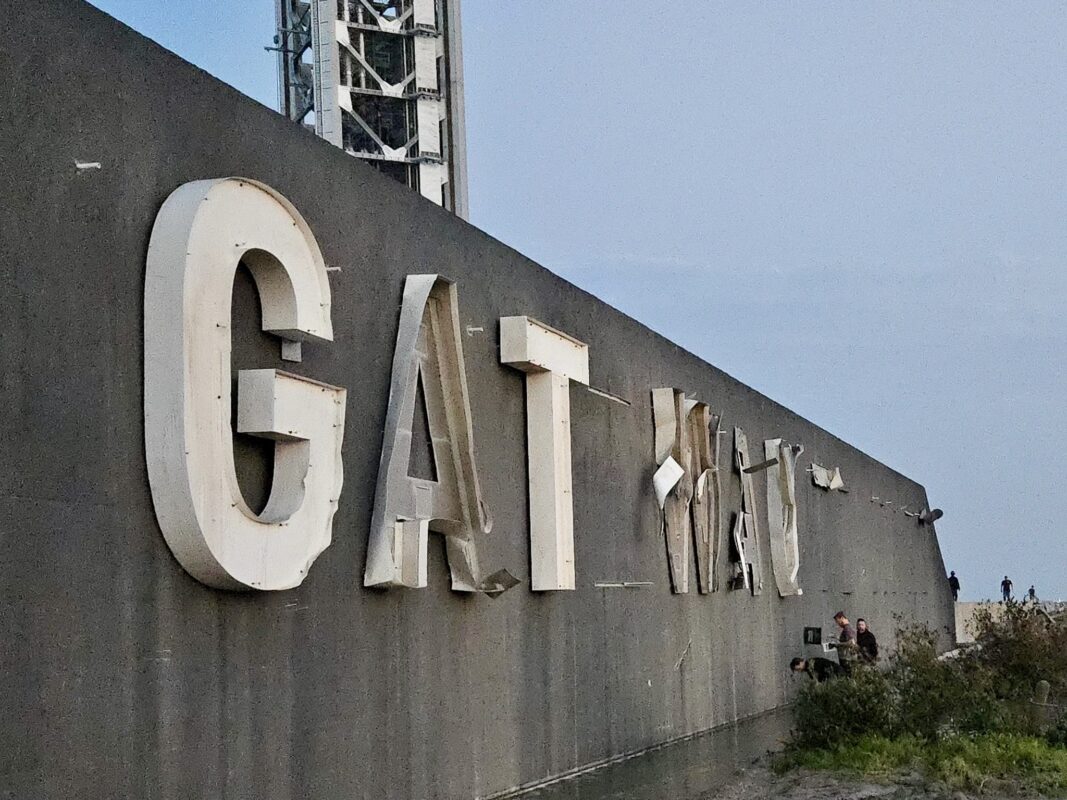
To reduce its liability, though — and because the company understands the blast zone could be dangerous to the public — SpaceX bought out many Boca Chica Village property owners to build the city of Starbase. During its last rocket launch, for example, the company’s “Gateway to Mars” sign was blown off by the force of the rocket.
The next time SpaceX propels a rocket into space, there will likely be some crowds cheering from near and far, while some property owners may not feel the same way.

Kristen Mosbrucker-Garza
Reporter
Kristen Mosbrucker-Garza is a versatile multimedia news reporter who lives and works along the Texas-Mexico border in Hidalgo County. Mosbrucker-Garza is a news reporter for the Rio Grande Valley Business Journal. During her career she's worked for the McAllen Monitor, San Antonio Business Journal, The Advocate Newspaper in Louisiana, Phoenix New Times, and public media outlets in Baltimore and Philadelphia.
Most Read
- SpaceX is giving Brownsville $220M for water projects. In exchange, the city gave up zoning control of 444 acres near Starbase
- SpaceX seeks to take zoning control over nearly 450 acres from city of Brownsville as a ‘regional’ water deal takes shape
- Port of Brownsville could soon host Nodule City, a first-of-its-kind commercial deep-sea mining hub
- Cameron County is negotiating a $20M Fluidstack data center donation after Harlingen waffles on the same offer
- How much water does SpaceX need to operate near Brownsville? Nearly 20x its current use
Get the latest business news delivered to your inbox every morning for free.
Try 30 Days Free!
Get full access to award-winning journalism covering business, real estate, health care, economic trends, and the people shaping the Rio Grande Valley.
30 Days Free!
$9.95/month
Limited time offer
Subscription renews after your 30 day free trial at $9.95/mo.
Included Benefits
- Unlimited access to all articles
- Daily business news and analysis
- Subscriber-only content and features
Stories That Matter
- McAllen’s $204M water investment expects to seek construction bids in 2027
- Saronic lands Navy landing craft contract, first build at Brownsville’s Port Alpha
- The Rio Grande Valley’s tech industry is small but growing — meet some of the next-gen workforce
- Entrepreneurs enter Mission EDC’s ‘Shark Tank’ competition for $25K top prize
- Mission’s first Small Business Expo puts $25K on the line for local entrepreneurs
- Reynosa’s newest technical high school focuses on AI, semiconductors and bionics
- McCoy’s gives $10K, tools to launch Mid-Valley construction academy
- UT Health RGV performs new digestive procedure for first time in the Valley
- TSTC bets on advanced manufacturing to meet RGV’s industrial boom
- SpaceX reschedules Starship’s first flight around the Earth