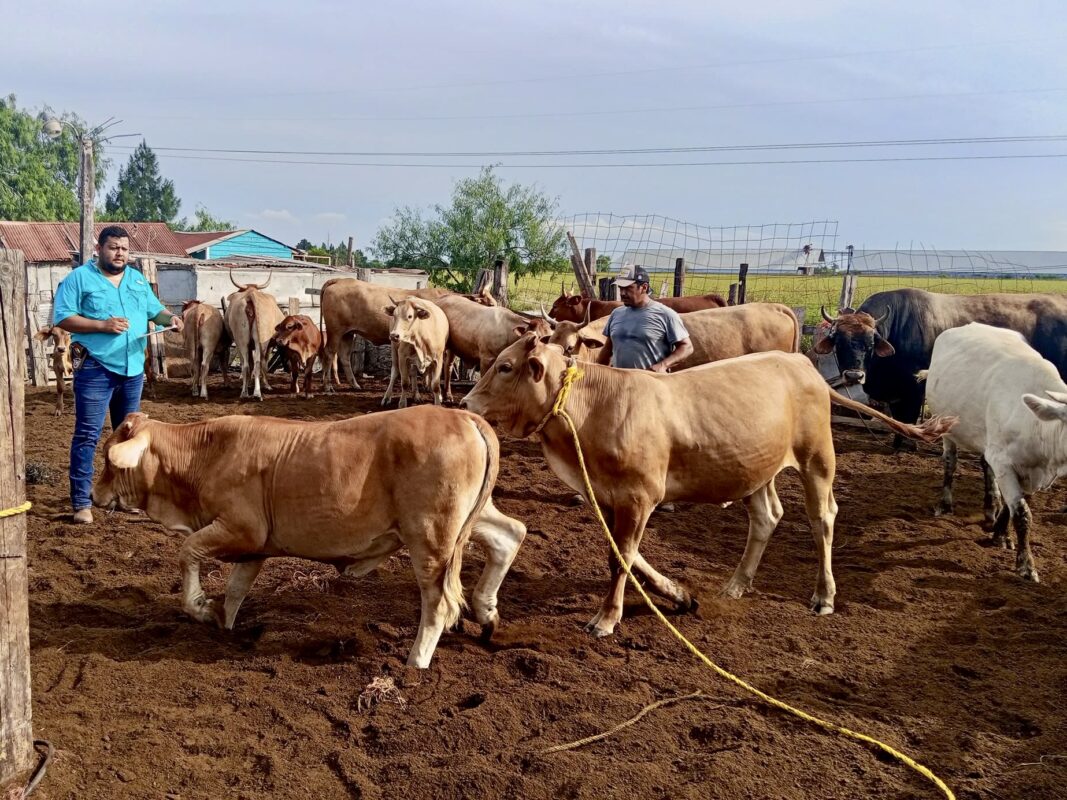
REYNOSA, Tamaulipas — As the United States begins gradually reopening cattle imports from Mexico, livestock producers and state officials in Tamaulipas are racing to keep the New World screwworm in check, hoping the state will eventually be cleared to resume exports to the lucrative U.S. market.
The U.S. Department of Agriculture announced last week that the Douglas, Arizona, port of entry will reopen Aug. 24 to cattle imports from the Mexican state of Sonora. The move marks the first phase of a broader reopening tied to Mexico’s compliance with the Joint Action Plan for the control and eradication of the New World screwworm.
USDA said reopening additional ports will depend on future animal health evaluations.
Although Tamaulipas is not yet part of the phased reopening, officials say the state is making progress.
Active screwworm cases have declined from 140 to 100, according to the Tamaulipas government. Most confirmed infections remain concentrated in the municipalities of Soto la Marina and Aldama, where veterinary crews continue sanitary surveillance and administer antiparasitic treatments as part of the state’s screwworm control efforts.
Antonio Varela Flores, Tamaulipas secretary of Rural Development, Fisheries and Aquaculture, said the state is also slated to join Mexico’s national sterile fly release program once the country’s production facility reaches its planned capacity. The strategy is expected to begin in San Fernando before expanding based on national epidemiological assessments.
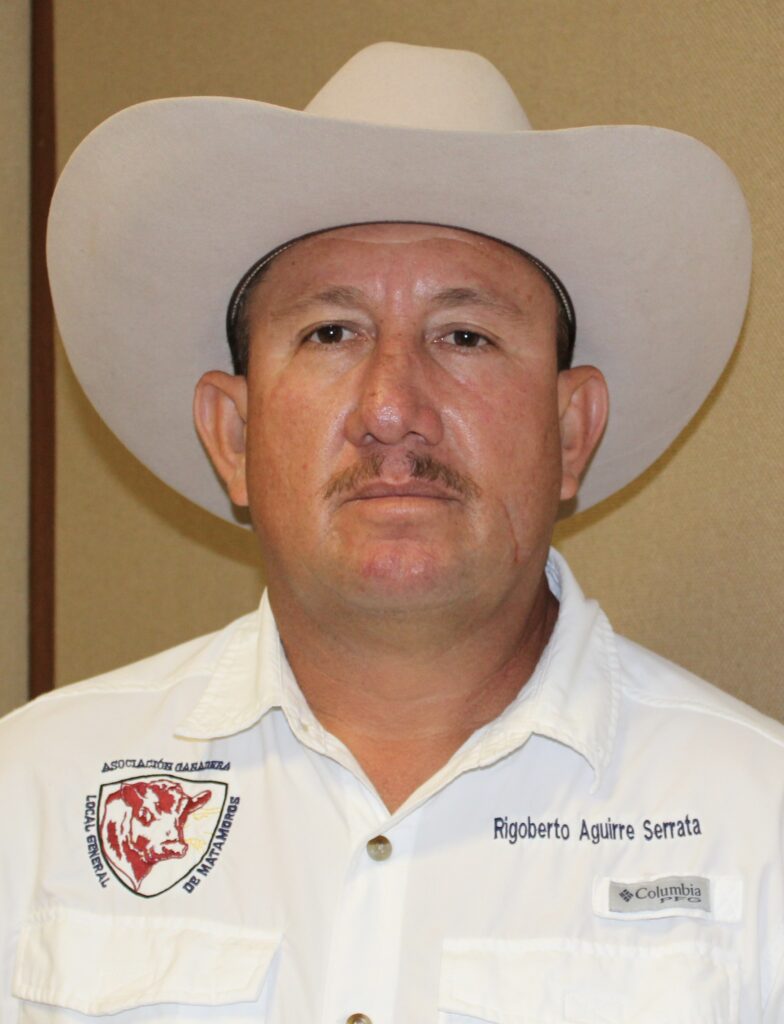
But producers in municipalities that have remained free of the pest say waiting until an outbreak occurs is the wrong strategy.
“Why should we wait until we have a case?” said Rigoberto Aguirre, president of the Matamoros Local Cattle Association. “We are the only municipality that, thank God, has not been affected. The United States has it to the north, and we have it to the south — we’re right in the middle.”
Matamoros has not reported a confirmed New World screwworm case, but Aguirre said producers have asked the state to expand preventive inspections and training into municipalities where the disease has not been detected rather than waiting to respond after infections are confirmed.
Ricardo De Anda de la Cruz, a veterinarian with the Tamaulipas Secretariat of Rural Development, Fisheries and Aquaculture, said livestock associations can request training through the agency and that veterinary personnel already conduct preventive treatment campaigns around confirmed cases using medications such as ivermectin and doramectin to reduce the risk of the pest spreading.
Even as case numbers improve, officials caution that the outbreak is not over.
“We used to see five or six cases a day. Now there are even days when no cases are reported,” De Anda said.
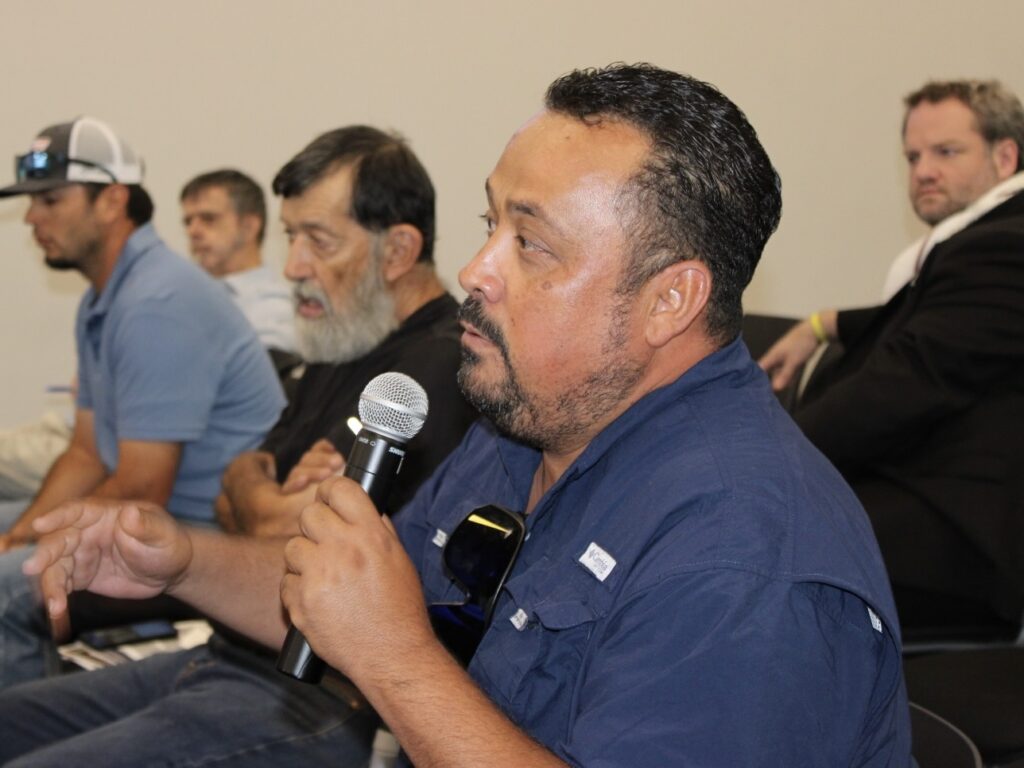
Courtesy of | Tamaulipas Ministry of Rural Development, Fisheries and Aquaculture
He attributed the decline to high temperatures and the lack of flowering, conditions that reduce the fly’s activity. However, he warned that pupae can remain buried for weeks or even months until environmental conditions become favorable.
“Once fall arrives, we could see another increase,” he said.
To maintain long-term surveillance, De Anda said the Secretariat of Rural Development is transitioning from an emergency response to a permanent New World screwworm program with dedicated personnel, vehicles and resources.
As Tamaulipas works to contain the outbreak, officials say another priority will be preparing producers for future export opportunities by improving cattle traceability.
De Anda said official ear tags identify each animal through a Livestock Production Unit, allowing authorities to track cattle during transportation, marketing and animal health campaigns. While New World screwworm prevention efforts cover both registered and unregistered animals, tuberculosis and brucellosis testing requires cattle to be identified within the national system.
Aguirre said many small-scale producers still avoid registering their herds because they mistakenly believe the process is expensive or distrust the system.
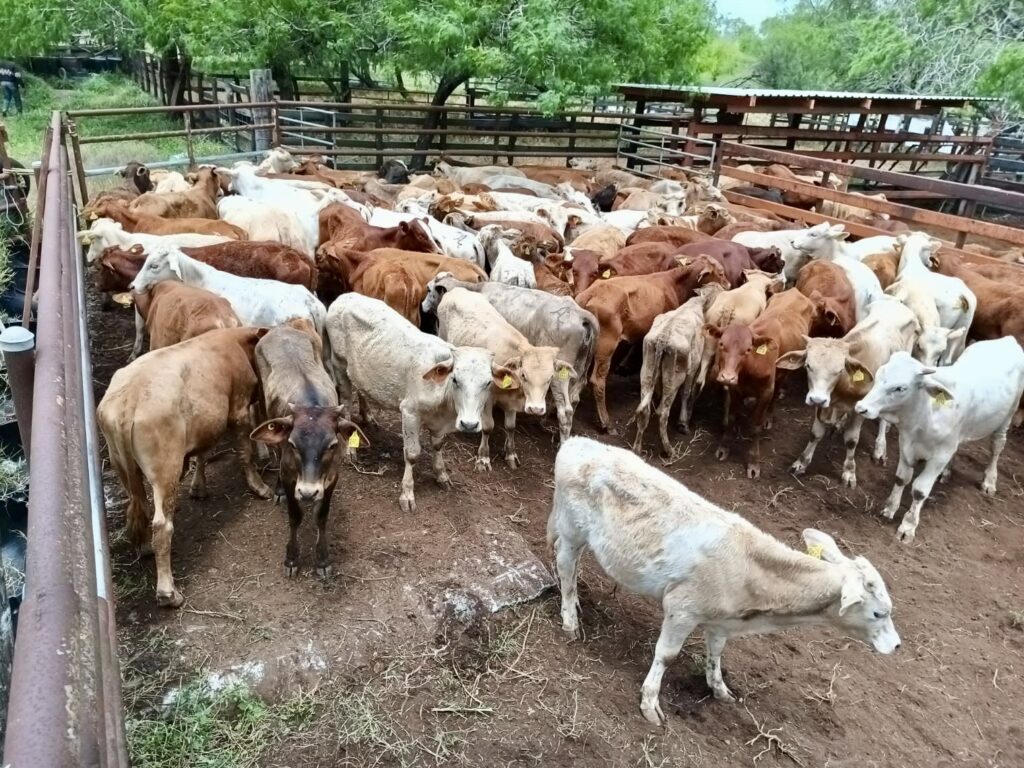
Courtesy of | Tamaulipas Ministry of Rural Development, Fisheries and Aquaculture
“Many believe the government wants to know how many animals they own, or they think the process will be too expensive, so they prefer to continue selling outside the system,” he said.
Those producers often market cattle through intermediaries and miss opportunities available to ranchers with properly identified livestock, Aguirre said.
To encourage participation, the Tamaulipas government currently provides official ear tags, tuberculosis and brucellosis testing, livestock brand registration and veterinary services free of charge.
“What we want is for producers to become registered so they can market their cattle under better conditions,” Aguirre said.
For ranchers in northern Tamaulipas, the reopening of the Douglas port represents more than the return of exports for Sonora. It offers a roadmap for what their own state must accomplish to regain access to the U.S. market.
“If we want to take advantage when the time comes to export from this region,” Aguirre said, “we have to continue preventing the disease, keep our cattle properly identified and work together in the same direction.”

Anayancy Ulloa
Reporter
Most Read
- SpaceX is giving Brownsville $220M for water projects. In exchange, the city gave up zoning control of 444 acres near Starbase
- What you need to know about Texas A&M’s newest manufacturing hub near the Port of Brownsville
- Port of Brownsville could soon host Nodule City, a first-of-its-kind commercial deep-sea mining hub
- Fluidstack breaks ground on $4 billion Cameron County AI data center
- Cameron County is negotiating a $20M Fluidstack data center donation after Harlingen waffles on the same offer
Get the latest business news delivered to your inbox every morning for free.
Try 30 Days Free!
Get full access to award-winning journalism covering business, real estate, health care, economic trends, and the people shaping the Rio Grande Valley.
30 Days Free!
$9.95/month
Limited time offer
Subscription renews after your 30 day free trial at $9.95/mo.
Included Benefits
- Unlimited access to all articles
- Daily business news and analysis
- Subscriber-only content and features
Stories That Matter
- Mexico car sales are growing, but its factories are making fewer vehicles
- Edinburg’s Texas Cook’Em generated nearly $7 for every $1 invested
- Momole gains ground in McAllen as Reynosa-born brand plots U.S. expansion
- Mission’s first Small Business Expo puts $25K on the line for local entrepreneurs
- Harlingen earns state tourism certification aimed at boosting local economic development
- Reynosa’s newest technical high school focuses on AI, semiconductors and bionics
- McCoy’s gives $10K, tools to launch Mid-Valley construction academy
- UT Health RGV performs new digestive procedure for first time in the Valley
- TSTC bets on advanced manufacturing to meet RGV’s industrial boom
- Pharr’s cross-border business push earns international recognition