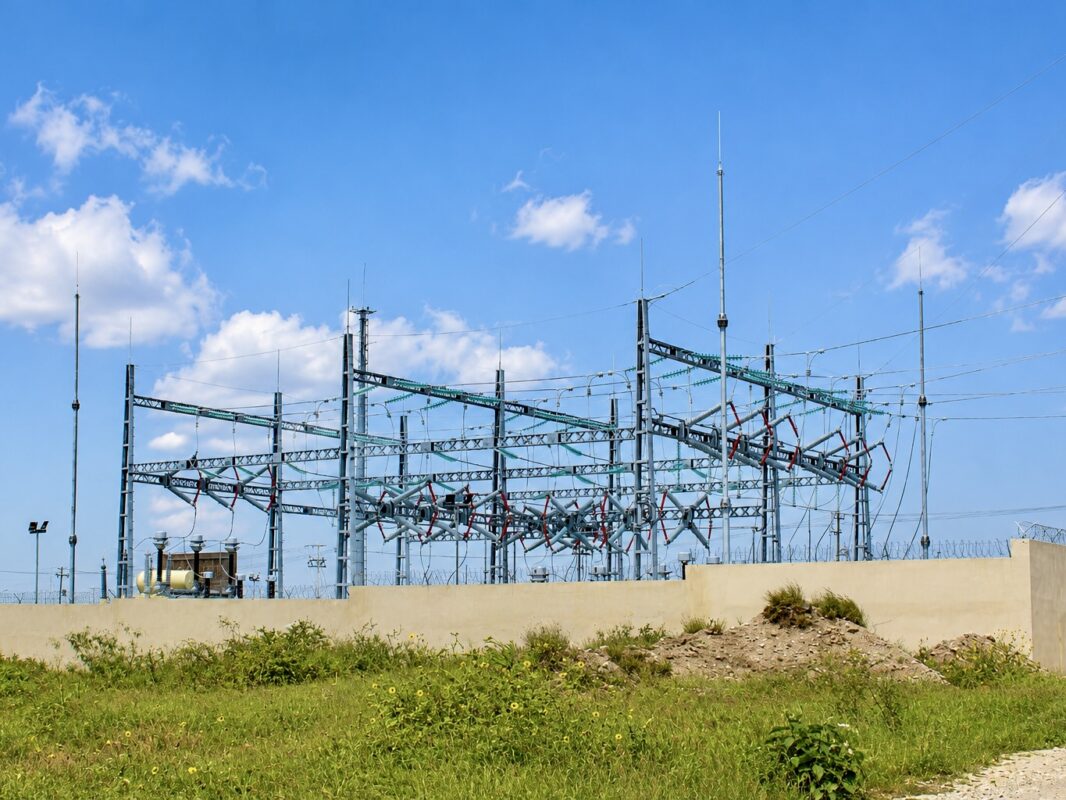
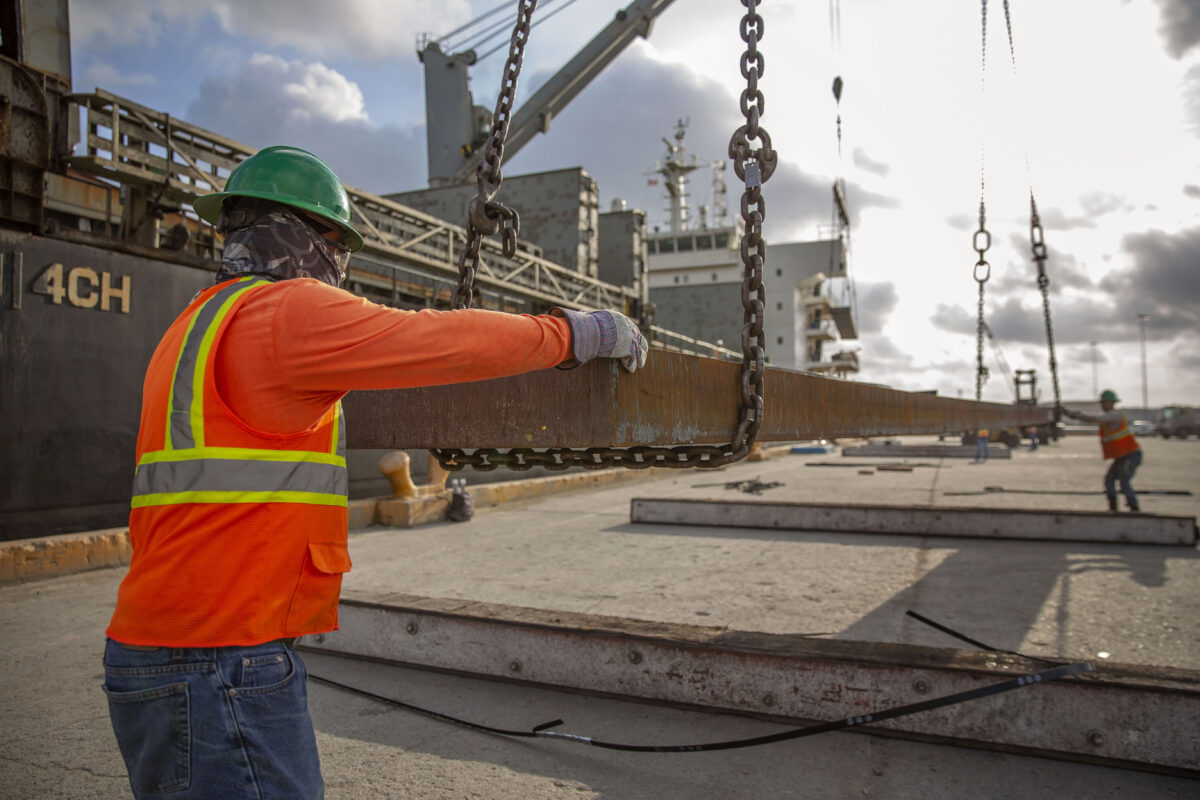
One of the largest logistics facilities in Reynosa shut down operations last week and is reportedly moving part of its work to McAllen, with employees saying rising tariff costs on both sides of the border pushed the decision.
XB Fulfillment, a San Diego-based third-party logistics provider founded in 2014, opened the roughly 721,000-square-foot industrial complex in Reynosa in 2022 after investing about $60 million.
The facility handled storage, packing, and shipping for e-commerce brands, sending large volumes of mostly apparel goods from Mexico to the U.S.
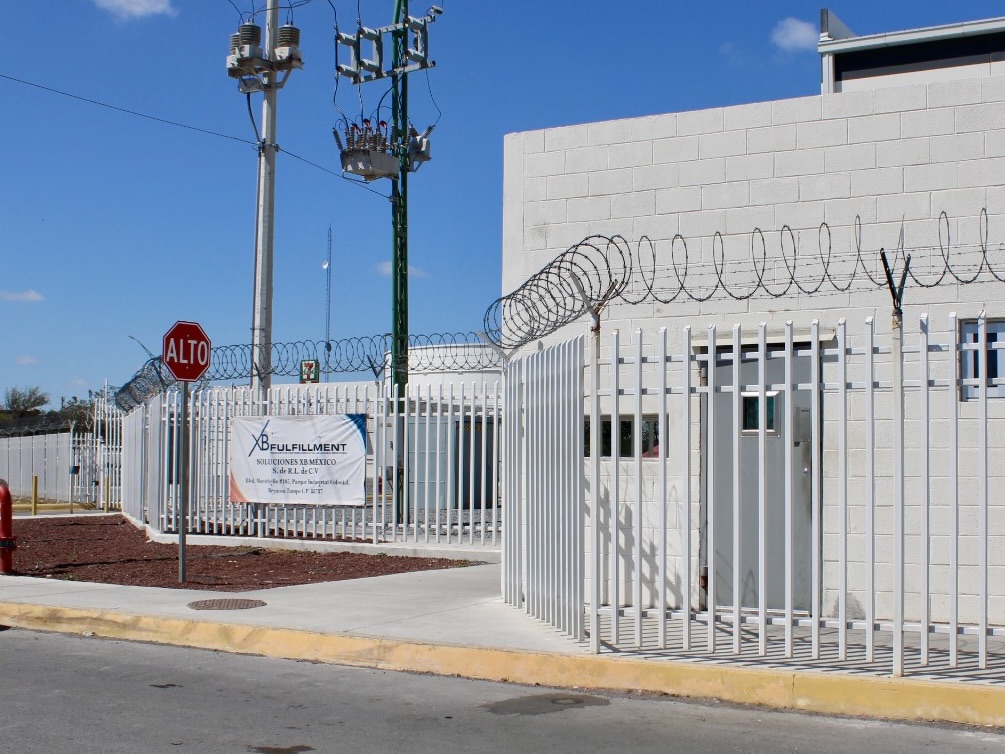
Photo Credit | Anayancy Ulloa
It’s unclear how many workers were laid off, but when the facility opened, it planned to hire 1,500 workers.
At its peak, the company reported shipping nearly 20 million orders annually, averaging more than 100,000 shipments per day with near-perfect fulfillment accuracy rates.
“It’s moving to the United States because of tariffs; it was more expensive to operate here,” one worker who did not want to be identified for fear of repercussions told the Rio Grande Valley Business Journal.
The company also operates a logistics facility in McAllen that is used to support its U.S.-side warehousing and cross-border distribution network.
Workers told the Journal the shutdown unfolded faster than expected and has been marked by confusion, disputed severance payments, and limited communication.
Tense situation unfolds
Tension escalated Monday evening outside the facility, where employees gathered seeking answers about their payouts.
They tried to organize outside the site like workers in Matamoros did when a facility there shut down abruptly following a bankruptcy case earlier this year, but union representatives in Reynosa intervened and asked them to disperse.
The Journal received messages, audio recordings, and videos from workers who remained outside the XB Fulfillment facilities during the peaceful work stoppage reported on Monday.
According to their accounts, a group of people allegedly linked to a union arrived at the site at about 8:30 p.m. and dismantled the tent where employees were sheltering.
Workers reported acts of aggression, including objects being thrown and damage to property, which prompted some to leave the area out of concern for their safety.
Employees also said they were unable to reach union leadership during the process.
The Journal could not reach XB Fulfillment for comment as of Monday.
Attempts to reach union leader Alberto Lara, of the Sindicato Industrial Autónomo de Operarios en General de Maquiladoras de la República Mexicana, or SIAMARM, were also unsuccessful.
Tariffs drive higher costs
Employees pointed to rising costs tied to recent policy changes in both Mexico and the U.S.
In January, Mexico imposed temporary tariffs of 15% to 35% on textile and apparel imports and limited a program known as IMMEX, which allows companies to bring goods into the country duty-free as long as they are later exported.
Those changes made it more expensive for logistics operations that depend on moving imported goods across the border.
Read more: Mexico raises import tariffs, affecting border manufacturers and Valley supply chains
At the same time, changes in U.S. trade policy affecting low-value shipments — the type commonly used in e-commerce — have made it harder to move large volumes of small packages across the border at low cost.
The late Reynosa Secretary of Economic Development Mauricio Treviño said those combined pressures are beginning to push some logistics operations out of northern Mexico and into the United States.
Workers dispute severance payments
Employees said the closure did not follow the timeline they were given.
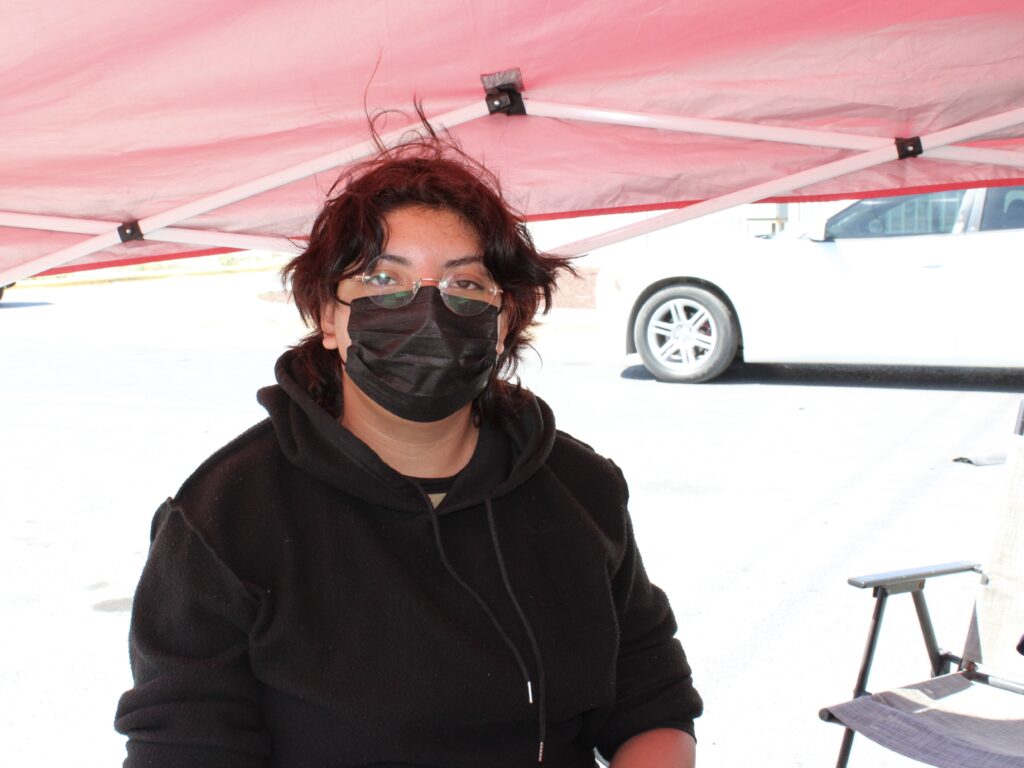
Photo Credit | Anayancy Ulloa
Workers were told operations would end on Friday. Instead, they were called individually into human resources offices last week and informed they were being let go.
Jessica Elizabeth, who worked at the facility for three years in returns and receiving, said she was asked to sign severance paperwork during that process.
“They separated us into offices, there was no union, no one to answer questions. They made me sign the severance, but it wasn’t the correct amount — it was less than 50%,” she said.
She said she was not given a copy of what she signed.
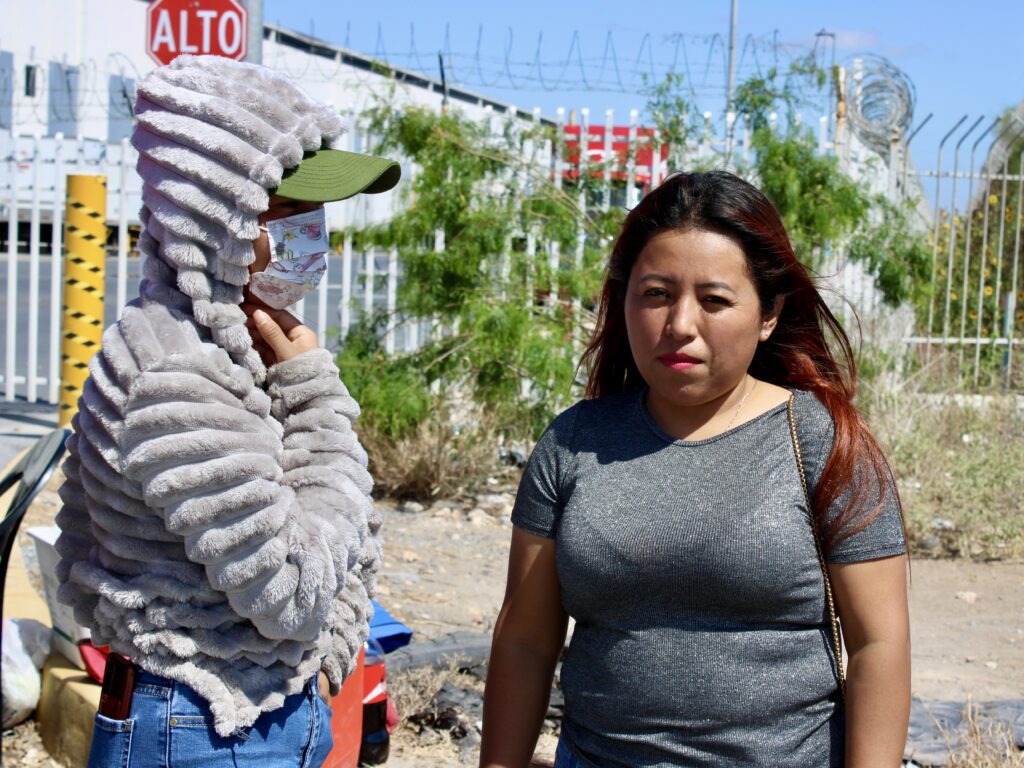
Photo Credit | Anayancy Ulloa
Several workers said they received between 30% and 50% of what they believe they were legally owed.
Alfreda García, a warehouse scanner operator with three years at the facility, said she was offered about 52,000 pesos, or roughly $3,000.
“They told me that was all I was entitled to, but at conciliation they told me it could be more. Then they warned me: the company is leaving — where are you going to find them later?” she said.
Workers said they had previously been told they would receive full severance.
Workers cite lack of union support
Employees described a fast-paced operation that slowed quickly in its final days.
Guillermo Garza, who worked in packing on an account tied to the brand Kate Spade, said productivity demands remained high until the shutdown.

Photo Credit | Anayancy Ulloa
“I made 3,895 boxes in a 12-hour shift so they could pack,” he said.
Workers said up to 98% of inventory was removed before the facility closed, with some goods transferred to the U.S.
Workers said SIAMARM, their union, did not provide support during the layoff process despite earlier assurances.
Employees also said some workers were not granted permanent status despite working beyond probationary periods.
“They told us we wouldn’t be left alone… but they left us alone,” one worker said.
Broader shift along the border
The shutdown reflects a larger shift in the border logistics industry, where rising costs are changing where companies choose to operate.
Read more: Nearly 4,400 manufacturing jobs cut across South Texas and northern Mexico this year
Facilities like this one depend on moving large volumes of low-cost goods — especially clothing — across the border quickly and cheaply. When tariffs or trade rules increase those costs, the business model becomes harder to sustain.
In Reynosa, officials with the Servicio Nacional de Empleo said new maquiladora job openings are expected, though not at the same scale.
The closure adds to growing pressure on employment in border cities as companies rethink how and where to handle cross-border trade.

Anayancy Ulloa
Reporter
Most Read
- SpaceX’s futuristic city of Starbase finalizes massive 7,100-acre annexation. Here’s what we know.
- SpaceX reschedules Starship’s first flight around the Earth
- How much water does SpaceX need to operate near Brownsville? Nearly 20x its current use
- Could apartment-to-condo conversion help make $100K homeownership in the McAllen metro more affordable? One investor says yes.
- Crunch Fitness is expanding and struggling in the Valley. Here’s why
Get the latest business news delivered to your inbox every morning for free.
Try 30 Days Free!
Get full access to award-winning journalism covering business, real estate, health care, economic trends, and the people shaping the Rio Grande Valley.
30 Days Free!
$9.95/month
Limited time offer
Subscription renews after your 30 day free trial at $9.95/mo.
Included Benefits
- Unlimited access to all articles
- Daily business news and analysis
- Subscriber-only content and features
Stories That Matter
- Mission’s first Small Business Expo puts $25K on the line for local entrepreneurs
- Reynosa’s newest technical high school focuses on AI, semiconductors and bionics
- McCoy’s gives $10K, tools to launch Mid-Valley construction academy
- UT Health RGV performs new digestive procedure for first time in the Valley
- Starbase leaders approved a 45-year land deal with SpaceX for 166 acres, but what will be built there remains a mystery
- TSTC bets on advanced manufacturing to meet RGV’s industrial boom
- Pharr’s cross-border business push earns international recognition
- Pharr doubles bridge capacity as data centers and produce drive new trade demand
- Brownsville eases drought restrictions after nearly three years as Rio Grande reservoir levels improve
- Two Valley businesses turned mangonadas into a school-friendly popsicle. Now they want to take it nationwide