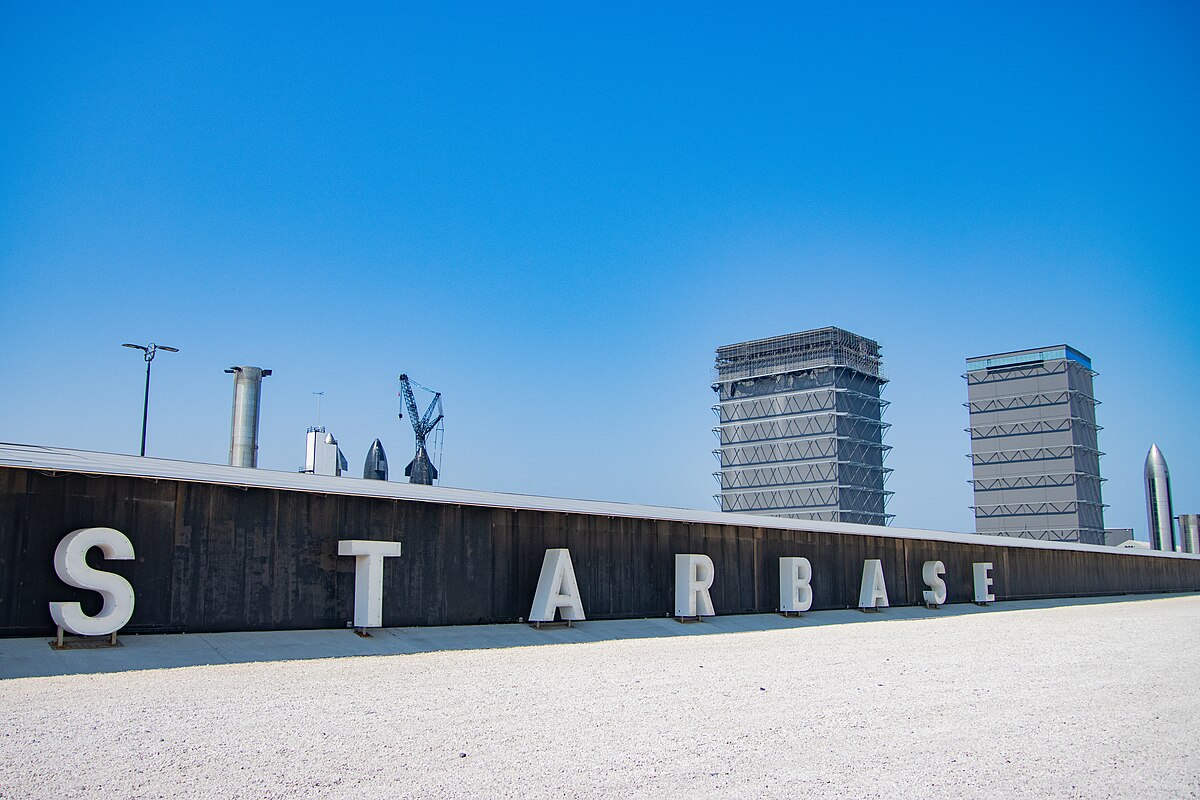
The emerging city of Starbase recently hired its first economic development leader to keep the economy growing by attracting new businesses to the area and retaining major employers such as Space Exploration Technologies Corp., the company led by Elon Musk that spearheaded the creation of the community, which now has several hundred residents and thousands of workers.

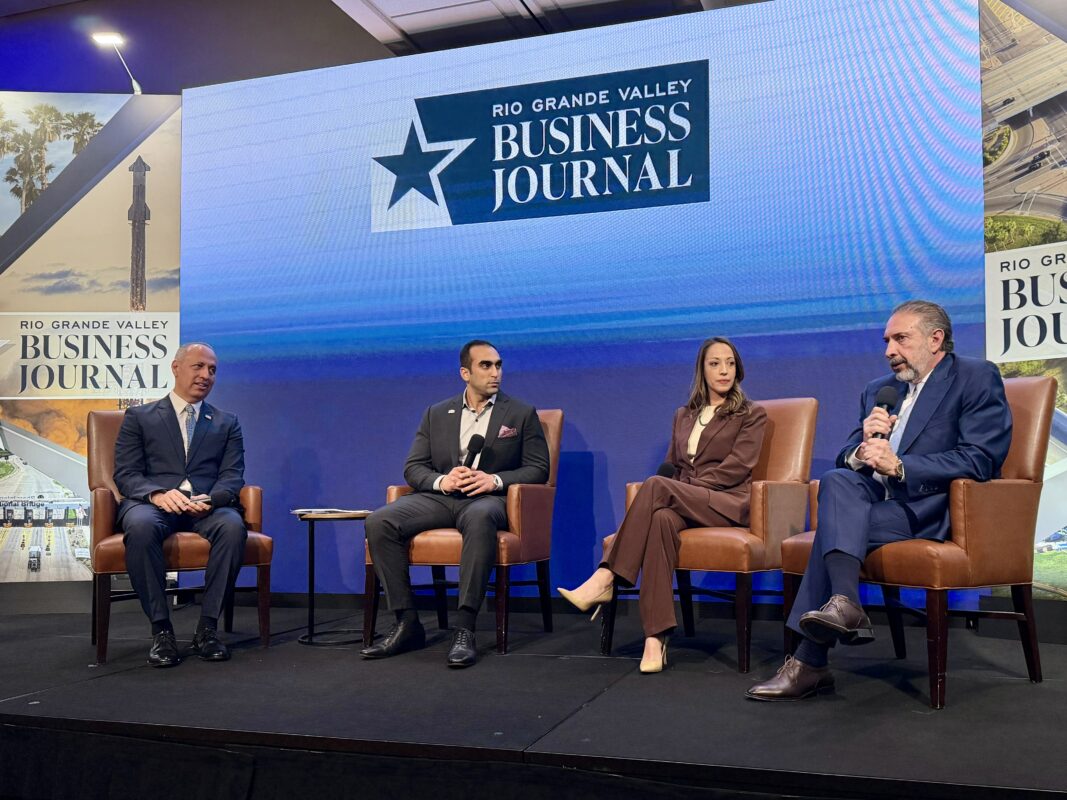
Photo Credit | Kristen Mosbrucker-Garza
Starbase commissioners created the Starbase Economic Development Corporation (EDC) in late April, and its inaugural executive director, Max Levin, was hired by the EDC board of directors in mid-May.
The EDC board includes Starbase Mayor Bobby Penden, a SpaceX executive; Camille Brown Bagnall, legal counsel for Protocol Labs; Jamin Gallman, senior director of human resources for SpaceX and leader for Ad Astra School; Parker Buntin, whose LinkedIn profile shows he’s a staff materials engineer for Radiant; Albert Traylor, head of product marketing for Aumni; Mercedes Zhang, vice president of Manhattan Venture Partners; and Karthik Muthuswamy, medical director for SpaceX.
Levin, a resident of the city of Starbase, has lived in the Rio Grande Valley for about two years after relocating from California. He’s also involved in coordinating the creation of a community library, and his spouse works for SpaceX.
Levin said he was inspired to apply for the EDC role because it was in the public-private partnership realm.
“The job seems like a good opportunity to get involved. I have previous experience working in government in the public sector, but facing the private sector focused on infrastructure, so it seemed like a good fit,” he told the Rio Grande Valley Business Journal on Thursday.
Most recently, Levin worked for the Washington, D.C.-based Millennium Challenge Corporation, which coordinated more than $500 million in public-private partnerships to promote economic development in the African nations of Morocco and Togo, a role that ended in October 2025.
Levin speaks Spanish and French, attended the University of California, Santa Cruz for his bachelor’s degree, earned a master’s in international relations from the American University of Paris, and has a law degree from Georgetown University.
The executive director was also a Fulbright Fellow for the U.S. State Department in Africa in 2013, and has worked for Booz Allen Hamilton, launching its Healthcare.gov initiative. He also served as a senior officer at Malaria No More, a non-governmental organization helping reduce disease in Africa.
Levin’s first economic incentive application in his new role, which was approved by the Starbase EDC board, came from SpaceX for an undisclosed revenue bond amount to support the company’s Starbase spaceport and create 1,000 jobs with an average annual salary of $85,000.
The fee for businesses to apply for bond financing through the Starbase EDC is $25,000, according to its website. Starbase is expected to hold public hearings before issuing the municipal bond in the coming weeks.

“We passed the resolution, and now we’ll be working through the details of a bond,” he said. “We’re still finalizing some of the details, but we know that it will be for infrastructure related to the space port facilities here.”
The city of Starbase does not collect retail sales taxes; officials previously said they do not plan to change that. Those sales taxes are typically what help fund EDC operations.
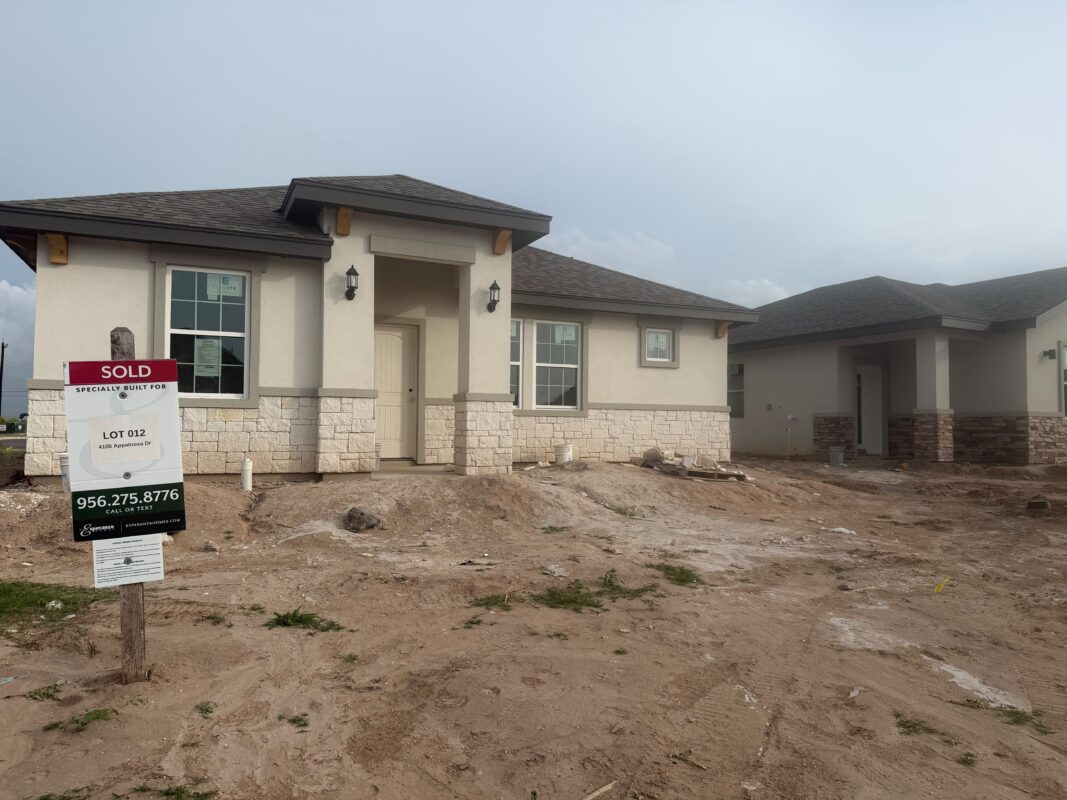
Starbase does issue building permits for both commercial and residential construction across the city. There was a flurry of new construction in recent months, but records show it has slowed as the project pipeline has been completed.
The city is expanding its boundaries through annexation, and outside investors are seeking to develop land across the city, but much of the land is owned by SpaceX, property records show.
One challenge as the city of Starbase grows is navigating how to encourage business development while maintaining a perimeter where public roadways will be closed during launch operations. Not a single business operating inside Starbase is open to the general public — at least for now.
“We’re still figuring out those medium and long-term strategies. In the short-term, we’ve been just kind of setting up the framework for the work, working on the potential bond decision — that’s the near-term priority,” Levin said. “In terms of setting up a business in the city of Starbase, I think we’ll be similar to other cities in that we want businesses to come in and find opportunity and figure out a potential landlord.”

Kristen Mosbrucker-Garza
Reporter
Kristen Mosbrucker-Garza is a versatile multimedia news reporter who lives and works along the Texas-Mexico border in Hidalgo County. Mosbrucker-Garza is a news reporter for the Rio Grande Valley Business Journal. During her career she's worked for the McAllen Monitor, San Antonio Business Journal, The Advocate Newspaper in Louisiana, Phoenix New Times, and public media outlets in Baltimore and Philadelphia.
Most Read
- Is SpaceX quietly building a data center at Starbase? Job postings offer clues
- 25 Mexican businesses eye McAllen expansion after city pitches U.S. market entry program
- SpaceX’s futuristic city of Starbase finalizes massive 7,100-acre annexation. Here’s what we know.
- McAllen metro keeps selling more homes as Brownsville-Harlingen market sees 17% drop through August
- Rio Grande LNG moves closer to getting even bigger at Port of Brownsville
Get the latest business news delivered to your inbox every morning for free.
Try 30 Days Free!
Get full access to award-winning journalism covering business, real estate, health care, economic trends, and the people shaping the Rio Grande Valley.
30 Days Free!
$9.95/month
Limited time offer
Subscription renews after your 30 day free trial at $9.95/mo.
Included Benefits
- Unlimited access to all articles
- Daily business news and analysis
- Subscriber-only content and features
Stories That Matter
- Texas A&M seeks contractors for new health education and research building in McAllen
- Beach Water Park files plans for $750K go-kart track project on South Padre Island
- Hundreds are vying for jobs in Brownsville. Here’s what jobseekers are seeing in the market
- Mission’s first Small Business Expo puts $25K on the line for local entrepreneurs
- McCoy’s gives $10K, tools to launch Mid-Valley construction academy
- UT Health RGV performs new digestive procedure for first time in the Valley
- TSTC bets on advanced manufacturing to meet RGV’s industrial boom
- Pharr’s cross-border business push earns international recognition
- Brownsville eases drought restrictions after nearly three years as Rio Grande reservoir levels improve
- Texas A&M’s $53.5M McAllen research center will tackle water, food security and Valley health