Un nuevo grupo espera organizar a las entidades fronterizas del sur de Texas con el fin de abordar mejor las necesidades hídricas de la región y defenderlas.
La semana pasada, el condado de Hidalgo se convirtió en la primera entidad en unirse al Consejo de Abastecimiento de Agua del Sur de Texas, que espera reunir a otros condados fronterizos del sur de Texas y, en esencia, a cualquier entidad responsable de suministrar agua a la población, en un bloque capaz de llevar a cabo proyectos hídricos a gran escala, defender los intereses de la zona y pensar a largo plazo en posibles soluciones a la creciente crisis hídrica de la región.
“Esta es una iniciativa muy seria”, dijo el juez del condado de Hidalgo, Richard F. Cortez, después de que la corte de comisionados votara a favor de unirse al consejo. “Creo que es una buena medida que analicemos diferentes alternativas y luego elijamos la mejor”.
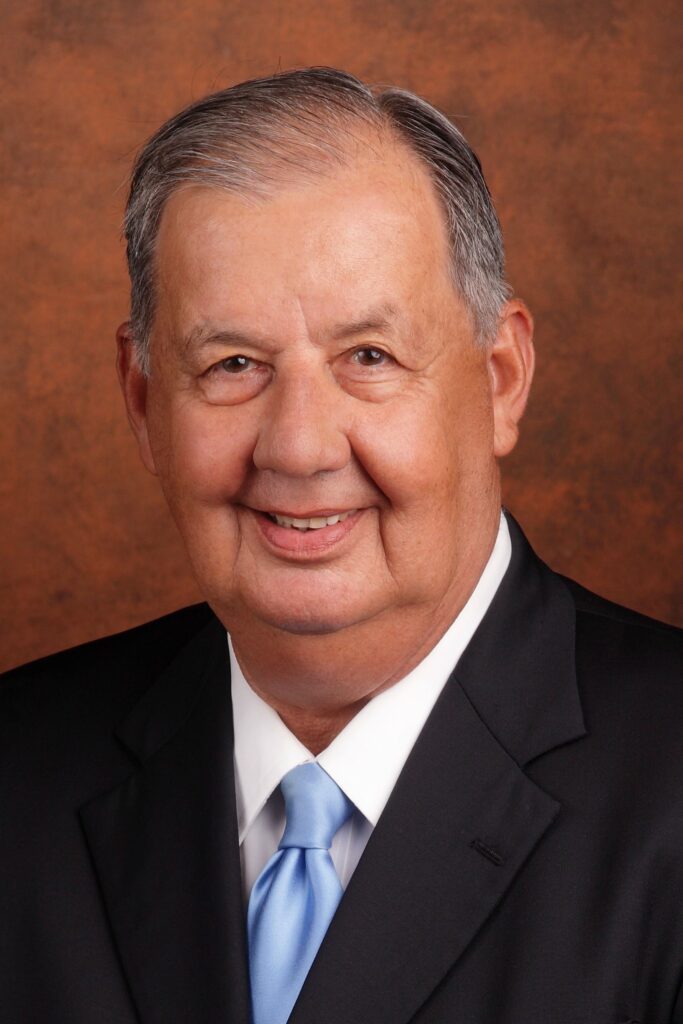
El consejo está siendo organizado por David Earl, un abogado que lleva unos 35 años especializándose en derecho del agua.
Anteriormente, Earl trabajó en el sistema de abastecimiento de agua de la ciudad de San Antonio y participa activamente en los esfuerzos que lleva a cabo el condado de Webb para resolver sus problemas relacionados con el agua.
Earl comenzó su carrera trabajando en el Valle del Río Grande para el desarrollador Mike Rhodes, representándolo en asuntos de desarrollo económico y planificación de servicios públicos en proyectos que incluían Tres Lagos en McAllen. También ha colaborado con varias ciudades de la región.
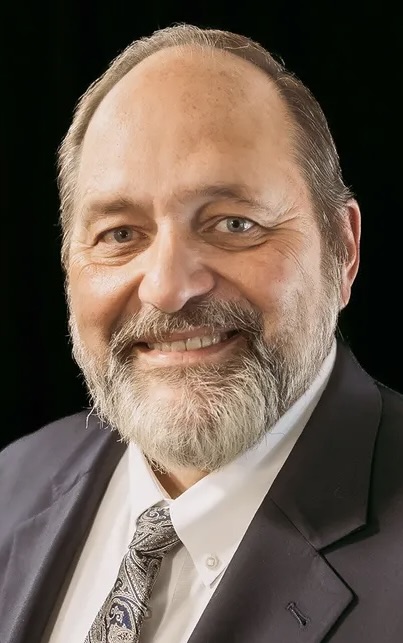
Earl dice que está formando el Consejo de Abastecimiento de Agua del Sur de Texas de manera gratuita.
«Veo cómo la gente está sufriendo en la frontera con el racionamiento y las restricciones de agua», dijo. «En Laredo están a punto de empezar a racionar el número de duchas que se pueden tomar a la semana».
Earl dice que las comunidades fronterizas del sur de Texas se encuentran en desventaja a la hora de enfrentar la crisis del agua.
La Junta de Desarrollo Hídrico de Texas divide el estado en 16 grupos regionales de planificación hídrica.
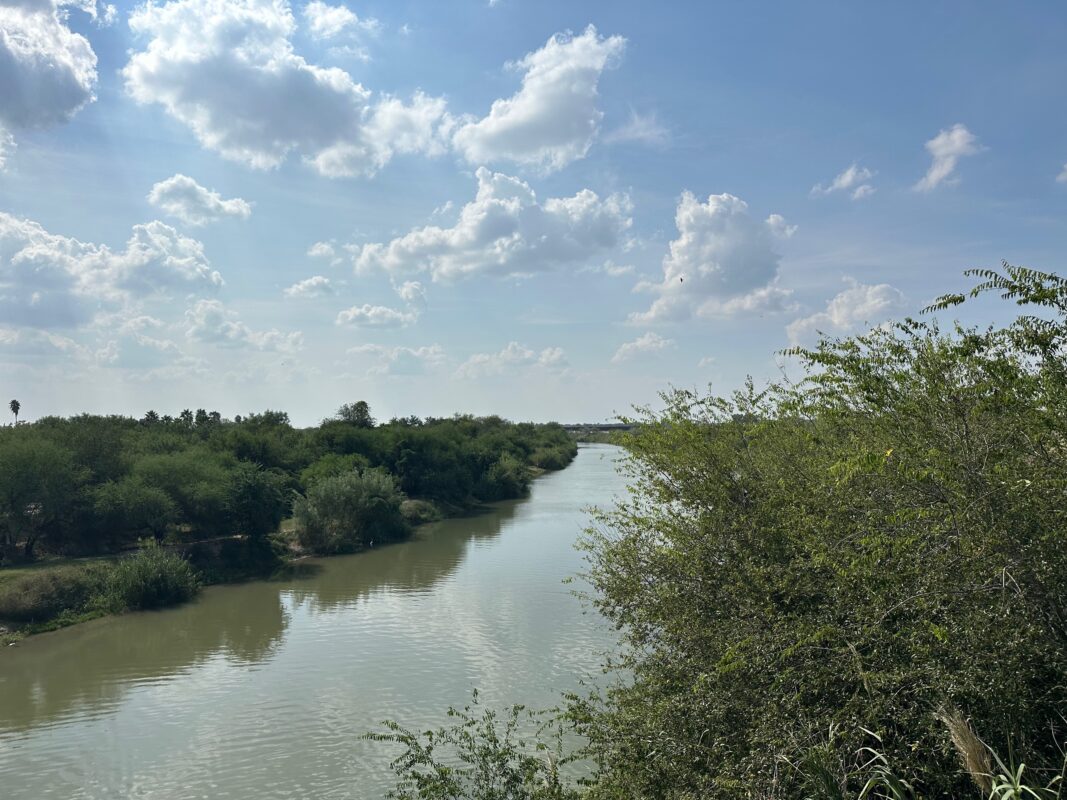
Los condados fronterizos del sur de Texas —desde el condado de Cameron hasta el condado de Maverick— están representados por el Grupo Regional de Planificación Hídrica del Río Grande, o Región M.
Sin embargo, la Junta de Desarrollo Hídrico también divide el estado en áreas de gestión de aguas subterráneas.
Texas cuenta con 98 distritos de conservación de aguas subterráneas que abarcan casi el 70 % del estado.
Todos esos distritos forman parte de al menos una de las 16 áreas de gestión de aguas subterráneas del estado.
La Región M —los condados fronterizos del sur de Texas— se divide en dos de ellas: las Áreas 13 y 16.
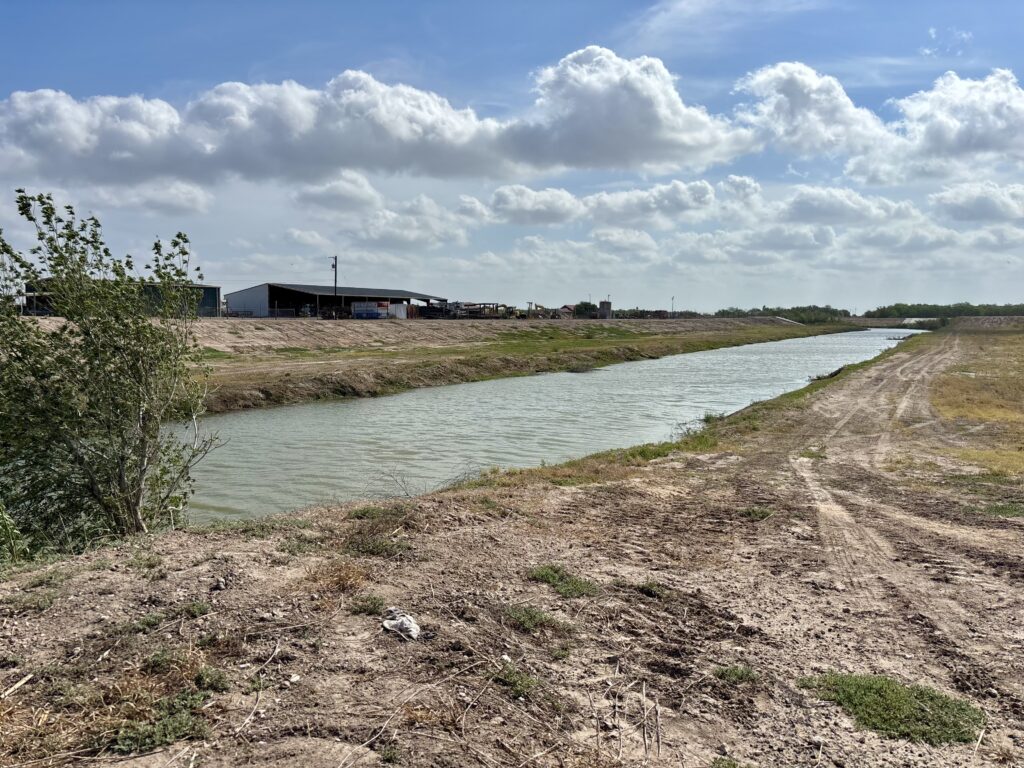
Crédito de la foto | Matt Wilson
Ninguno de los actuales representantes de las juntas directivas de esas áreas vive realmente en la Región M ni representa a ninguno de los distritos de aguas subterráneas de los condados fronterizos del sur de Texas, tal vez porque el sur de Texas cuenta con muy pocos distritos de desarrollo de aguas subterráneas.
“La mayoría de esos condados han dependido históricamente al 100 % del agua del río Grande”, dijo Earl. “Por eso, nunca han creado distritos de conservación de aguas subterráneas. La mayoría de ellos, históricamente.”
Solo hay dos distritos de aprovechamiento de aguas subterráneas en la Región M: el Red Sands GCD —quizás el distrito más pequeño del estado—, que abarca una zona fragmentada en la parte norte del condado de Hidalgo, y otro distrito que abarca todo el condado de Starr.
¿Qué significa todo eso para los condados fronterizos del sur de Texas?
Según Earl, esto significa que los condados fronterizos del sur de Texas tienen menos voz y voto en lo que respecta a los asuntos relacionados con las aguas subterráneas, en comparación con sus vecinos del norte.
“Como nunca han establecido distritos de conservación de aguas subterráneas, no forman parte de las áreas de gestión de aguas subterráneas, que son organismos creados en virtud del Capítulo 36 del Código de Aguas para elaborar y poner en práctica el plan estatal de aguas”, dijo.
Earl cree que el Consejo de Abastecimiento de Agua del Sur de Texas puede contrarrestar esa desventaja al unir a una amplia franja de la frontera que, según él, está subrepresentada en temas relacionados con las aguas subterráneas, a medida que estos recursos se vuelven cada vez más lucrativos.
“La idea es reunir a estos grupos y que trabajen en colaboración para encontrar formas de llevar el agua desde donde se encuentra hasta donde se necesita, al menor costo para el consumidor”, dijo. «Y también para darles voz a las personas que viven a lo largo del río Grande, a las comunidades, en la planificación hídrica, porque en este momento, en cierta medida, realmente carecen de esa voz».
Earl dice que hay otras razones para cooperar. Repitió un discurso que le resultará familiar a cualquiera que haya prestado atención al desarrollo económico del Valle —o, en realidad, a las noticias del Valle— en los últimos años.
RioPlex aboga por el desarrollo económico a nivel regional en el Valle; la Organización de Planificación Metropolitana del RGV hace lo mismo en materia de transporte; y los jueces de los cuatro condados de la región se unieron de manera informal para defender las necesidades de la región durante la pandemia del coronavirus y la reintroducción de la mosca barrenadora en el sur de Texas.
Earl dice que la idea detrás del consejo no es diferente: ya sean grandes o pequeñas, las innumerables entidades del sur de Texas tienen más peso juntas que por separado.
“Esa es la intención detrás de esto: ayudar a estas comunidades más pequeñas a lo largo de la frontera a unirse y crear una cooperativa para que reciban más atención legislativa”, dijo. «Tienen más peso en las negociaciones. Cuentan con una forma de unirse para obtener mayor poder de negociación y mayor poder de compra, y pueden reducir el costo del agua, sin importar de dónde provenga. Además, pueden analizar y estudiar de dónde puede provenir el agua, y llevar a cabo proyectos de manera colaborativa en lugar de competir entre sí».
Según Earl, tratar de resolver la crisis del agua por cuenta propia puede ser complicado y costoso.
La crisis del agua en Texas es grave.
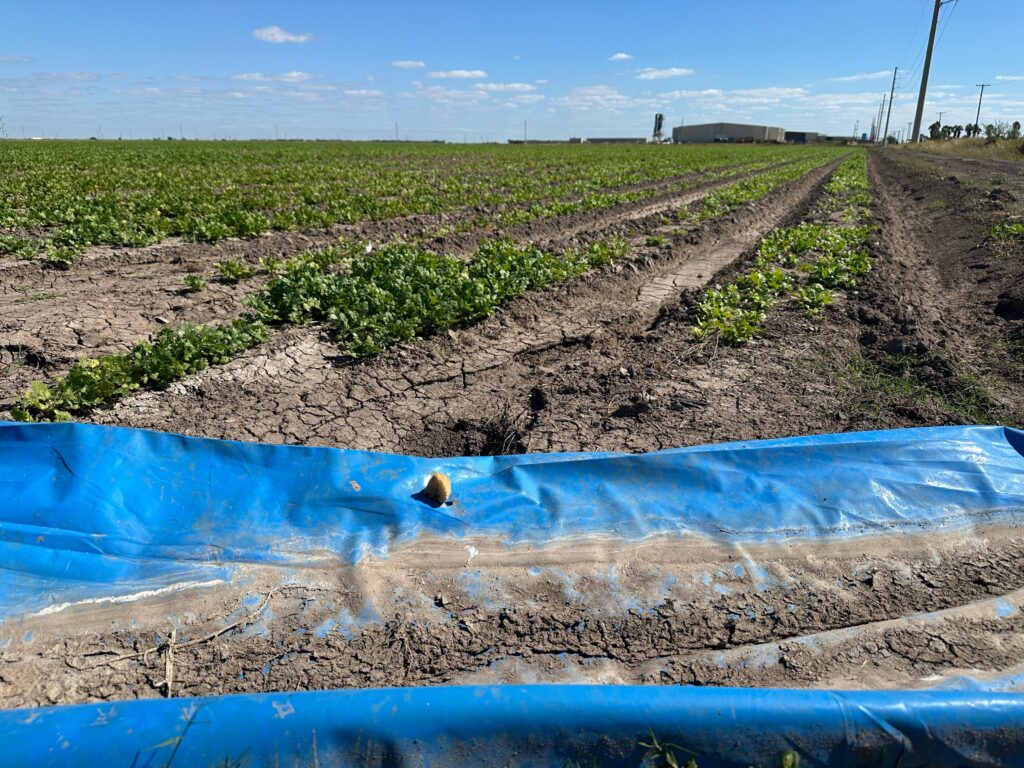
foto | Kristen Mosbrucker-Garza
Corpus Christi está a unos meses de tener que aplicar restricciones de emergencia. La escasez de agua ha paralizado la agricultura en el Valle. Texas se está quedando sin agua.
Esta primavera, el estado calculó que el costo de evitar una grave crisis hídrica ascendería a 174 mil millones de dólares.
Los fondos que el estado ya ha aprobado y la crisis han provocado una saturación de proyectos hídricos en Texas.
«Es una fiebre del oro. Y es difícil», dijo Earl. «Hay que tener un plan. Si no tienes un plan, estás desperdiciando tu dinero».
Earl quiere que el consejo ayude a las entidades a planear de manera eficiente y a largo plazo.
“Estos proyectos de agua no se pueden poner en marcha de la noche a la mañana”, dijo. “Se necesitan años y años para planearlos, diseñarlos y financiarlos, a fin de garantizar que sean significativos y de calidad”.
Para formar parte del Consejo de Abastecimiento de Agua del Sur de Texas, el condado de Hidalgo acordó pagar 5,000 dólares.
Eso le da derecho a ocupar un puesto en el consejo, recibir apoyo financiero y elaborar planes.
El condado —y cualquier miembro que se sume posteriormente— podría destinar más dinero a la realización de estudios o proyectos de abastecimiento de agua.
Según Earl, el consejo recién formado tenía previsto reunirse con la ciudad de McAllen la semana pasada y ha estado en conversaciones con el condado de Webb, aunque planea incorporar a más miembros.

Matt Wilson
Reportero
Matt Wilson es un reportero independiente con sede en el condado de Hidalgo y colaborador del Rio Grande Valley Business Journal. Anteriormente cubrió temas de educación y noticias generales para The Monitor, donde escribió con frecuencia sobre los cambios drásticos que experimentó el mundo de los negocios durante la pandemia del coronavirus. Antes de eso, trabajó como reportero en zonas rurales del centro de Texas, donde cubrió todo tipo de noticias, desde incendios en viviendas hasta reuniones de juntas escolares.
Lo más leído
- La ciudad futurista Starbase de SpaceX culmina una anexión masiva de 7,100 acres. Esto es lo que sabemos.
- SpaceX reprograma el primer vuelo de Starship alrededor de la Tierra
- ¿Cuánta agua necesita SpaceX para operar cerca de Brownsville? Casi 20 veces su consumo actual
- ¿Podría la conversión de departamentos en condominios ayudar a que la compra de una vivienda de 100 mil dólares en el área metropolitana de McAllen sea más accesible? Un inversionista dice que sí.
- El área metropolitana de McAllen sigue vendiendo más viviendas, mientras que el mercado de Brownsville-Harlingen registra una caída del 17 % hasta agosto
Recibe las últimas noticias empresariales en tu bandeja de entrada cada mañana, gratis.
¡Pruébalo gratis durante 30 días!
Disfruta de acceso completo a un periodismo galardonado que abarca temas como los negocios, el sector inmobiliario, la sanidad, las tendencias económicas y las personas que dan forma al Valle del Río Grande.
¡30 días gratis!
$9.95/month
Oferta por tiempo limitado
La suscripción se renueva tras el periodo de prueba gratuito de 30 días por 9,95 $ al mes.
Prestaciones incluidas
- Acceso ilimitado a todos los artículos
- Noticias y análisis diarios sobre el mundo empresarial
- Contenidos y funciones exclusivos para suscriptores
Historias que importan
- La recaudación del impuesto sobre las ventas en el Valle ha aumentado un 5,7 %. ¿Podría estar contribuyendo a ello un peso más fuerte?
- Las empresas de Mission pueden solicitar hasta 15 000 dólares en subvenciones este mes
- Pharr duplica la capacidad de su puente a medida que los centros de datos y los productos agrícolas impulsan una nueva demanda comercial
- T-Mobile planea ampliar su red de Internet por fibra óptica en Mercedes
- Un poco de MySpace, un poco de AOL: los habitantes del Valle contribuyen al crecimiento de una nueva plataforma de redes sociales
- Brownsville va a modificar su tarifa de drenaje. Las empresas podrían tener que pagar más, ya que la ciudad busca recaudar 6.2 millones de dólares al año
- Los líderes de Starbase aprobaron un contrato de arrendamiento de 45 años con SpaceX por 166 acres, pero lo que se construirá allí sigue siendo un misterio
- NADBank abre una línea de financiamiento de 300 millones de dólares para proyectos de agua y energía a lo largo de la frontera
- Frost Bank está invirtiendo en Harlingen, un laboratorio de cemento que se instalará en Brownsville, los departamentos de la ciudad de Hidalgo y las nuevas oficinas de Terra-Gen
- Es posible que se esté gestando otro proyecto de GNL en la frontera del sur de Texas; esta vez, en Matamoros