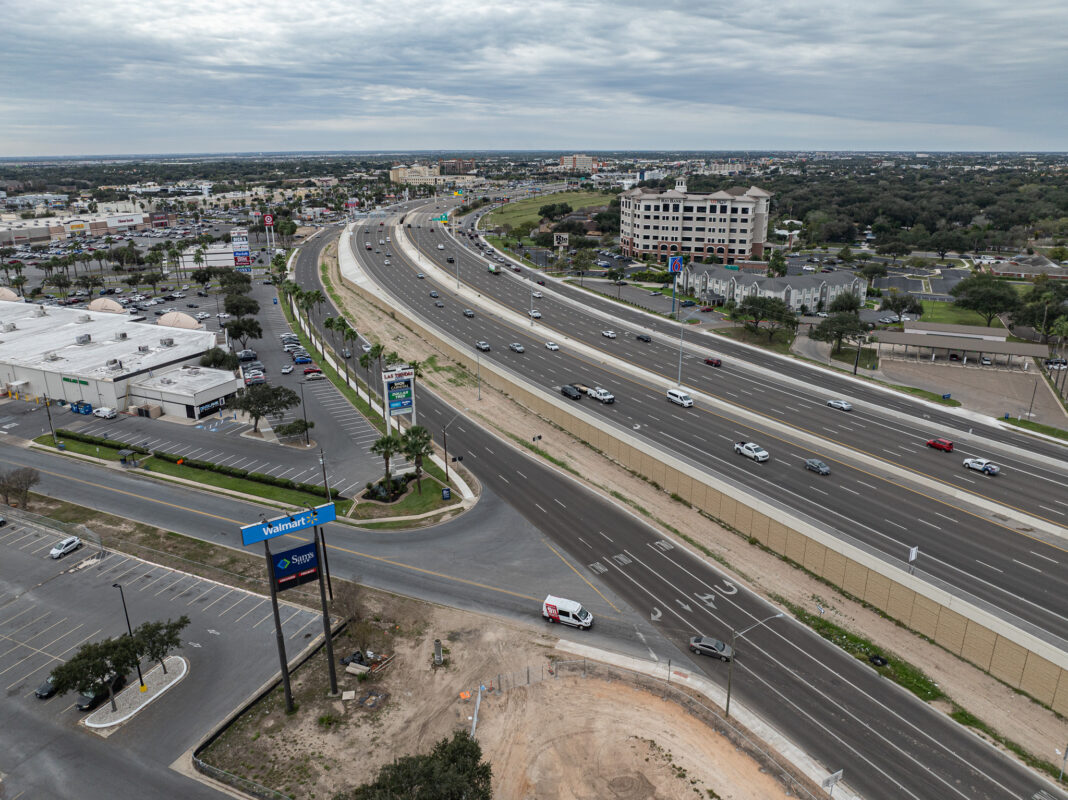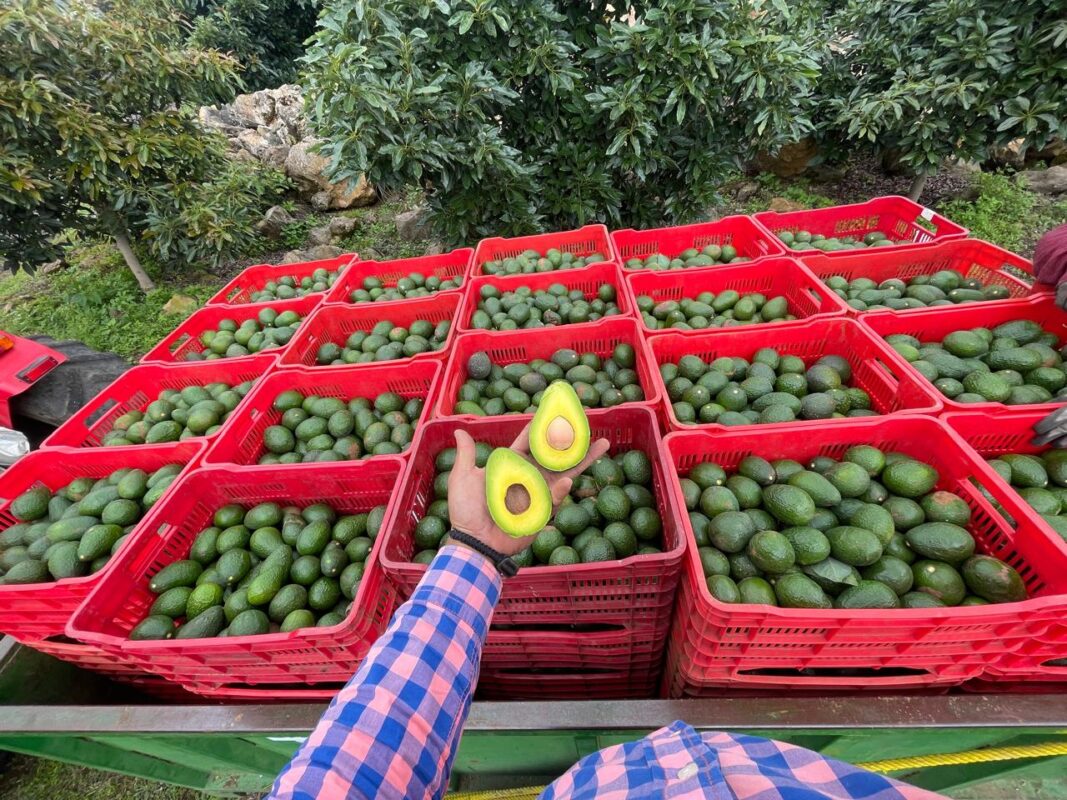
A suspension of U.S. avocado inspections hundreds of miles south of the Rio Grande Valley could disrupt one of Pharr’s most important produce trade lanes.
The U.S. Department of Agriculture temporarily suspended avocado inspections in Michoacán last week, preventing new shipments from receiving the certification required for export to the United States.
The interruption has particular implications for the Valley. About 70% of Mexican avocados entering the U.S. cross through the Pharr-Reynosa International Bridge, Bridge Director Luis Bazán previously told the Rio Grande Valley Business Journal.
Bazán did not respond to a request for comment on the latest inspection suspension.
Mexico is projected to export a record 1.3 million metric tons of avocados in 2026, with approximately 1.2 million metric tons — about 90% — destined for the U.S.
If the suspension continues, an estimated 3,562 metric tons of avocados per day could remain uncertified for export to the U.S., representing about $7.4 million in daily trade.
New shipments cannot be certified
The Association of Avocado Producers and Exporting Packers of Mexico, known as APEAM, said the suspension affects USDA personnel responsible for inspecting avocados at packinghouses authorized to export to the U.S.
Under a temporary protocol, fruit received Aug. 4 under USDA supervision can continue through the process. Fruit arriving afterward can be unloaded but cannot be processed for export until inspections resume.
Only Michoacán and Jalisco are authorized to export fresh avocados to the U.S. under the bilateral phytosanitary program. Avocados must come from certified orchards and undergo inspections at authorized packinghouses before they can be exported.
Without those inspections, new shipments cannot receive the certification needed to enter the U.S.
Pharr is a major avocado gateway
For the Valley, a prolonged suspension could eventually mean fewer avocado trucks crossing the Pharr bridge and less cargo for the trucking companies, produce importers and warehouses that have developed around the trade.
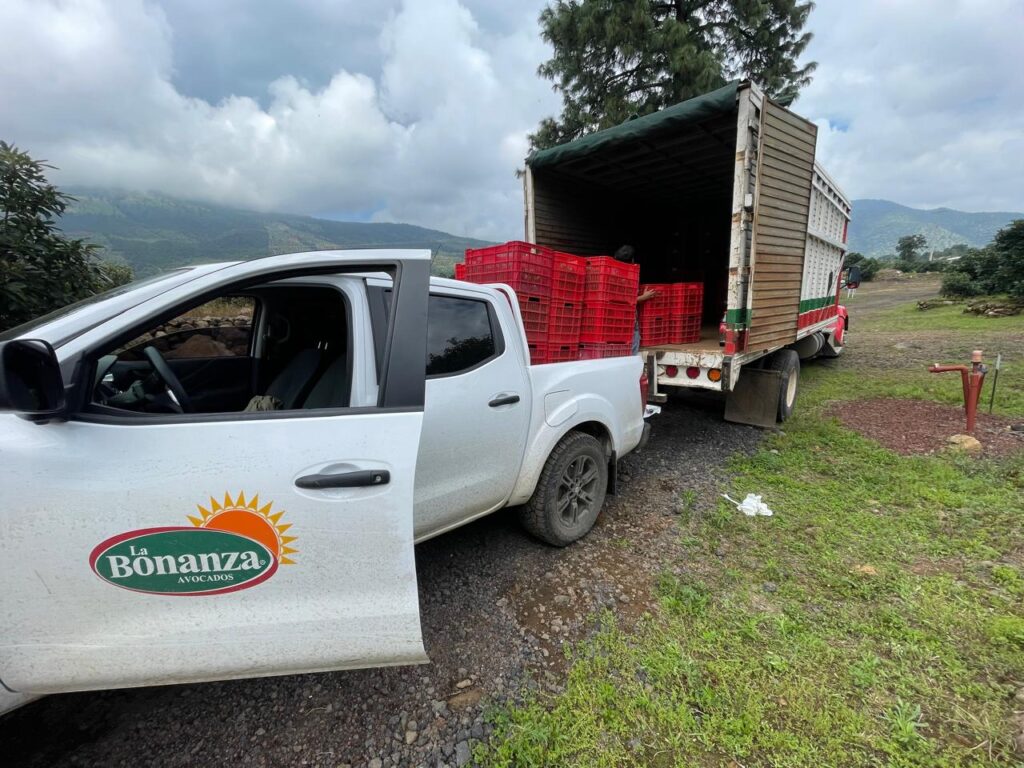
Courtesy of | Aguacates La Bonanza
January is typically the bridge’s busiest month for avocados, with 170 to 200 avocado trucks crossing per week, according to the Journal’s previous reporting.
In January, 695 avocado trucks crossed through Pharr. The value of avocado shipments through the bridge increased from about $205 million in December 2024 to nearly $242 million the following month.
The strength of that trade lane has also attracted investment.
Mexican avocado producer and exporter Aguacates La Bonanza is developing a 110,000-square-foot warehouse in Pharr for product handling and distribution. Company President Gabriel Alejandro Villaseñor Zurita previously told the Journal that about 90% of the company’s U.S.-bound shipments move through Pharr.
Mexican avocado exports were surging
The suspension comes as Mexican avocado exports to the U.S. have been climbing.
Mexico exported 501,824 metric tons of avocados to the U.S. from January through April, up 35% from 370,551 metric tons during the same period in 2025, according to data from Mexico’s Ministry of Economy.
March was particularly strong, with 148,511 metric tons exported, a 57% increase from a year earlier.
Mexican avocado exports to the U.S. were valued at $3.65 billion in 2025, underscoring the size of the trade potentially affected by a prolonged inspection disruption.
The latest suspension follows previous security problems involving inspectors in Michoacán. In April, Martín Esquivel, director of Marescorp, Customs and Supply Chain Security Consulting, told the Journal that highway blockades in the avocado-producing region had resulted in inspectors being temporarily detained.
As of press time, the USDA had not announced when inspections in Michoacán would resume.

Anayancy Ulloa
Reporter
Most Read
- How much water does SpaceX need to operate near Brownsville? Nearly 20x its current use
- Could apartment-to-condo conversion help make $100K homeownership in the McAllen metro more affordable? One investor says yes.
- SpaceX’s futuristic city of Starbase finalizes massive 7,100-acre annexation. Here’s what we know.
- Cameron County is negotiating a $20M Fluidstack data center donation after Harlingen waffles on the same offer
- Fluidstack breaks ground on $4 billion Cameron County AI data center
Get the latest business news delivered to your inbox every morning for free.
Try 30 Days Free!
Get full access to award-winning journalism covering business, real estate, health care, economic trends, and the people shaping the Rio Grande Valley.
30 Days Free!
$9.95/month
Limited time offer
Subscription renews after your 30 day free trial at $9.95/mo.
Included Benefits
- Unlimited access to all articles
- Daily business news and analysis
- Subscriber-only content and features
Stories That Matter
- These four projects are driving more than $41B in Cameron County investment
- Mission’s first Small Business Expo puts $25K on the line for local entrepreneurs
- Reynosa’s newest technical high school focuses on AI, semiconductors and bionics
- McCoy’s gives $10K, tools to launch Mid-Valley construction academy
- UT Health RGV performs new digestive procedure for first time in the Valley
- TSTC bets on advanced manufacturing to meet RGV’s industrial boom
- Pharr’s cross-border business push earns international recognition
- Brownsville eases drought restrictions after nearly three years as Rio Grande reservoir levels improve
- Texas A&M’s $53.5M McAllen research center will tackle water, food security and Valley health
- STC puts AI to work across 55 courses — from construction sites to car repair