Small businesses are facing such an increase in pressure to stay profitable that the city of McAllen is collaborating with the McAllen Chamber of Commerce to build a program to help local retailers survive.
McAllen City Manager Isaac Tawil shared the early stages of the plan with the Rio Grande Valley Business Journal during a McAllen Chamber of Commerce event on Tuesday.
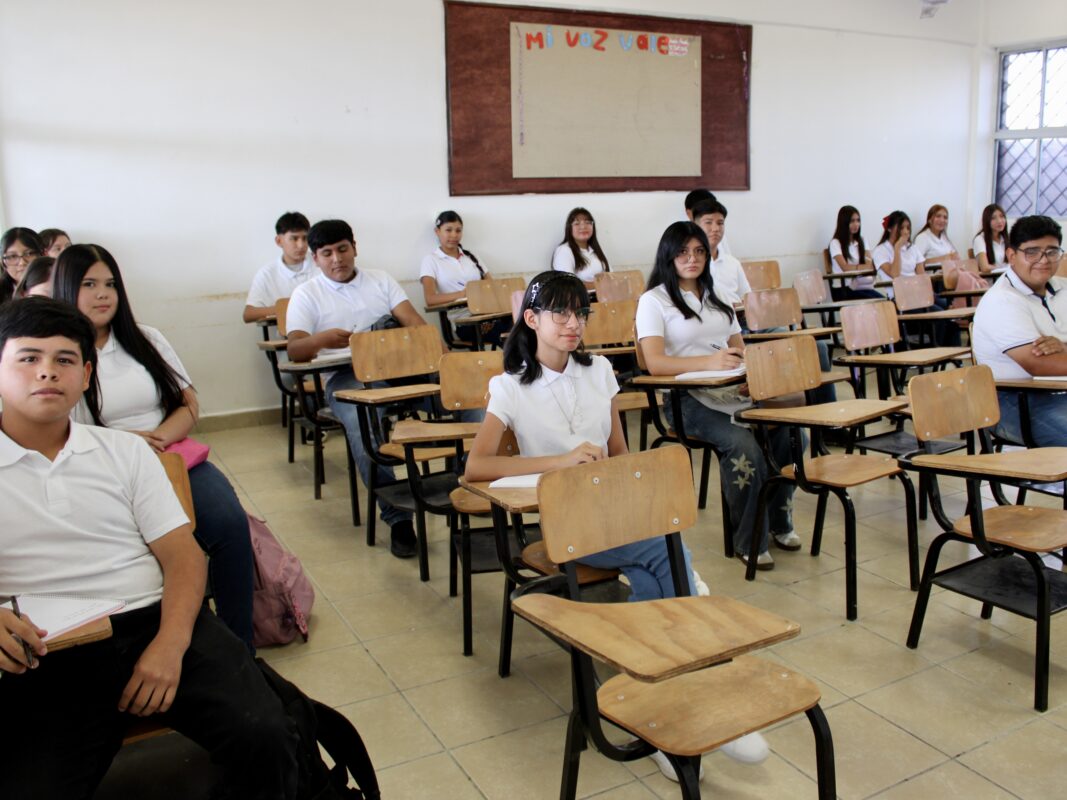
The idea is to partner with local universities, such as the University of Texas Rio Grande Valley, to build a course that would match business school students with small companies to help them develop a new business plan that would likely include marketing.
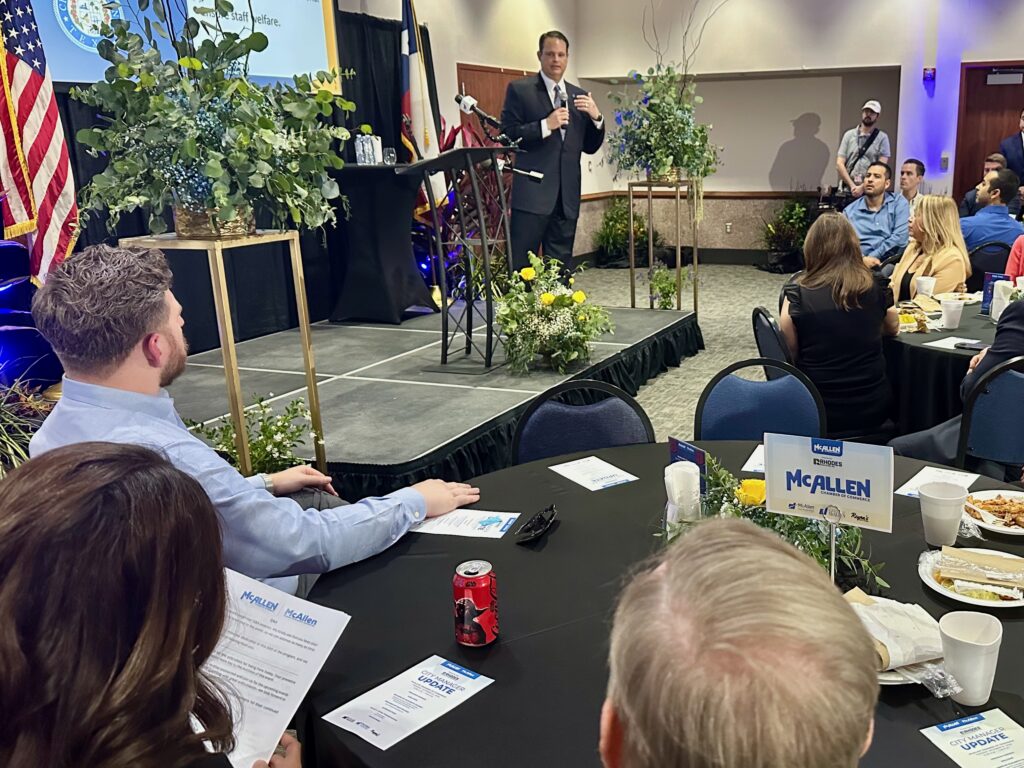
Photo Credit | Kristen Mosbrucker-Garza
Tawil said the idea came after a local retailer reached out to discuss the difficulty of the current business climate, especially after the Trump Administration increased tariffs on imported goods.
The United States has more than doubled tariffs on Chinese imports and could raise them as high as 200% starting Nov. 1.
“We are constantly trying to come up with new ways to invigorate the community,” Tawil said. “The office received a phone call from a concerned business. You know, things were tough, tariffs were in place, sales at the restaurant were down. We looked at their situation and said, ‘Maybe there’s a way we can help you do something with that.’”
The idea is to offer students real-world experience before they graduate, he said.
Small businesses are also facing increased competition as many customers shift to online shopping.
The consumer price index, a way to track inflation, shows that the pace of cost hikes for common products has slowed compared to a peak in 2022.
Still, prices across the South — including Texas — rose 2.6% over the past 12 months ending in August. That means goods are more expensive for consumers who may be scaling back their spending as basics, such as food and gasoline, become more costly.
There are about 7,100 retail outlets across the McAllen-Mission-Edinburg metro area generating $3.8 billion in gross sales tax, up 6.8% over the year.
But the metro area actually lost about 1,000 retail outlets between 2024 and 2025 during the first six months of the year.
For example, there were 168 fewer retailers selling electronics and appliances over the year, records from the Texas Comptroller of Public Accounts show. There was even a decline in the number of food and beverage outlets, from 774 down to 756 over the year, records show.
“As we watch the economy shift, knowing that we are moving from a very easy economy in the retail sector to one that tends to change depending on the rhetoric we’re hearing from our leadership in Washington, we knew that we had to start taking some different approaches to make sure we’re building the base [of businesses],” Tawil said.
That decline matters to local city governments, which rely on retail sales taxes and property taxes along key retail corridors to support operations.
See the latest city sales tax report inside the Journal’s Data Center.
It’s one reason why McAllen’s next big bet – which will likely include economic incentives to redevelop the Boeye Reservoir – is not focused on traditional big-box stores or an anchor strip mall concept, but a unique destination that attracts tourists.
“We need to make those [retail] corridors unique, which is why the Boeye project is so special,” Tawil said. “It’s not what we have here. It is an opportunity for local artisan-style retail, where there are shopping experiences that you can’t get online.”
McAllen uses smartphone data technology to track individuals who live in Mexico and shop in Texas to gauge the retail climate.
And there have been fewer trips by visitors overall, Tawil said.
“But we also know that they’re staying for longer and spending more. So while they are here, we need to make sure that they have a diversity of experience that makes them want to make the most out of those trips,” he said.
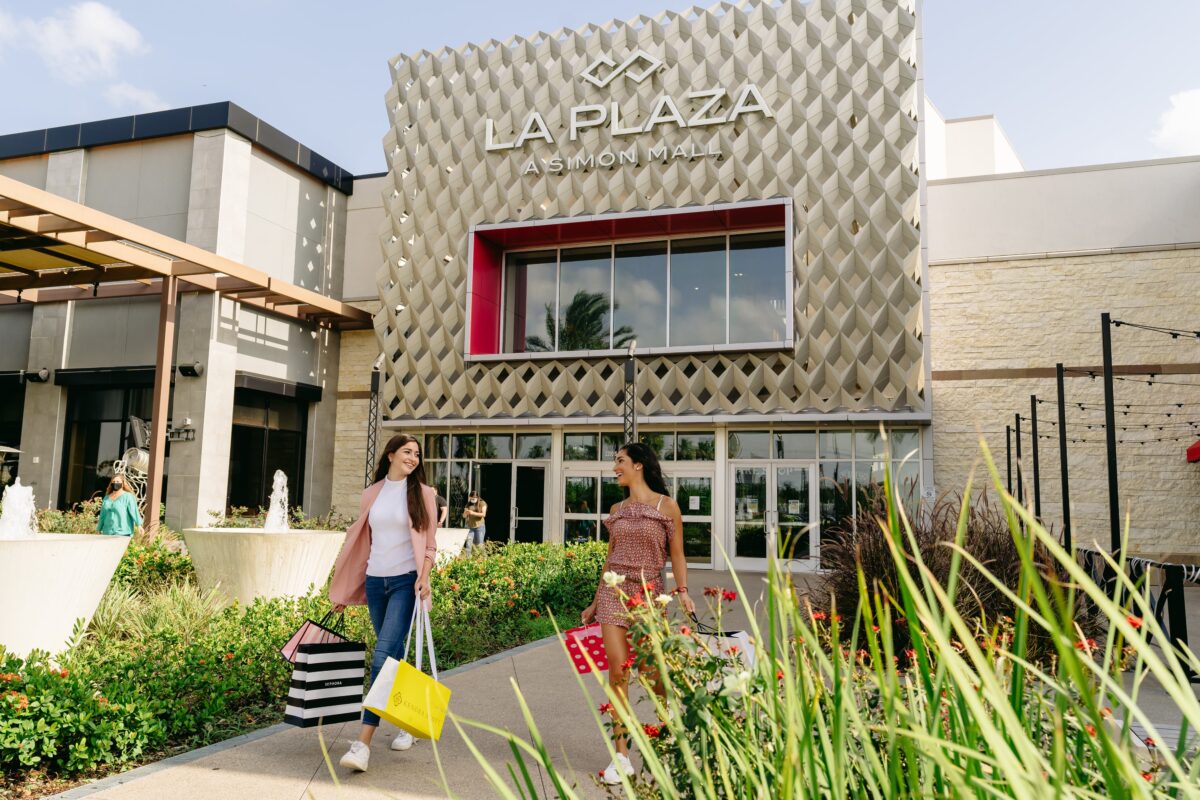
That’s why the Boeye Reservoir — a nearly 70-acre site near La Plaza Mall, which already draws flocks of Mexican shoppers — is the city’s next big tourist destination.

Kristen Mosbrucker-Garza
Reporter
Kristen Mosbrucker-Garza is a versatile multimedia news reporter who lives and works along the Texas-Mexico border in Hidalgo County. Mosbrucker-Garza is a news reporter for the Rio Grande Valley Business Journal. During her career she's worked for the McAllen Monitor, San Antonio Business Journal, The Advocate Newspaper in Louisiana, Phoenix New Times, and public media outlets in Baltimore and Philadelphia.
Most Read
- SpaceX is giving Brownsville $220M for water projects. In exchange, the city gave up zoning control of 444 acres near Starbase
- SpaceX seeks to take zoning control over nearly 450 acres from city of Brownsville as a ‘regional’ water deal takes shape
- Port of Brownsville could soon host Nodule City, a first-of-its-kind commercial deep-sea mining hub
- Cameron County is negotiating a $20M Fluidstack data center donation after Harlingen waffles on the same offer
- How much water does SpaceX need to operate near Brownsville? Nearly 20x its current use
Get the latest business news delivered to your inbox every morning for free.
Try 30 Days Free!
Get full access to award-winning journalism covering business, real estate, health care, economic trends, and the people shaping the Rio Grande Valley.
30 Days Free!
$9.95/month
Limited time offer
Subscription renews after your 30 day free trial at $9.95/mo.
Included Benefits
- Unlimited access to all articles
- Daily business news and analysis
- Subscriber-only content and features
Stories That Matter
- McAllen’s $204M water investment expects to seek construction bids in 2027
- Saronic lands Navy landing craft contract, first build at Brownsville’s Port Alpha
- The Rio Grande Valley’s tech industry is small but growing — meet some of the next-gen workforce
- Entrepreneurs enter Mission EDC’s ‘Shark Tank’ competition for $25K top prize
- Mission’s first Small Business Expo puts $25K on the line for local entrepreneurs
- Reynosa’s newest technical high school focuses on AI, semiconductors and bionics
- McCoy’s gives $10K, tools to launch Mid-Valley construction academy
- UT Health RGV performs new digestive procedure for first time in the Valley
- TSTC bets on advanced manufacturing to meet RGV’s industrial boom
- SpaceX reschedules Starship’s first flight around the Earth