By John Beckham, managing director of the North American Development Bank
Last month, communities around the world marked World Water Day, a reminder that water is fundamental to human existence.

Beyond living healthily, it also assures economic vitality and regional stability.
In Texas, though, we don’t have the luxury of thinking about water only once a year. Debates and public comments during last year’s legislative session made clear that safeguarding our water resources demands sustained attention and investment every single day.
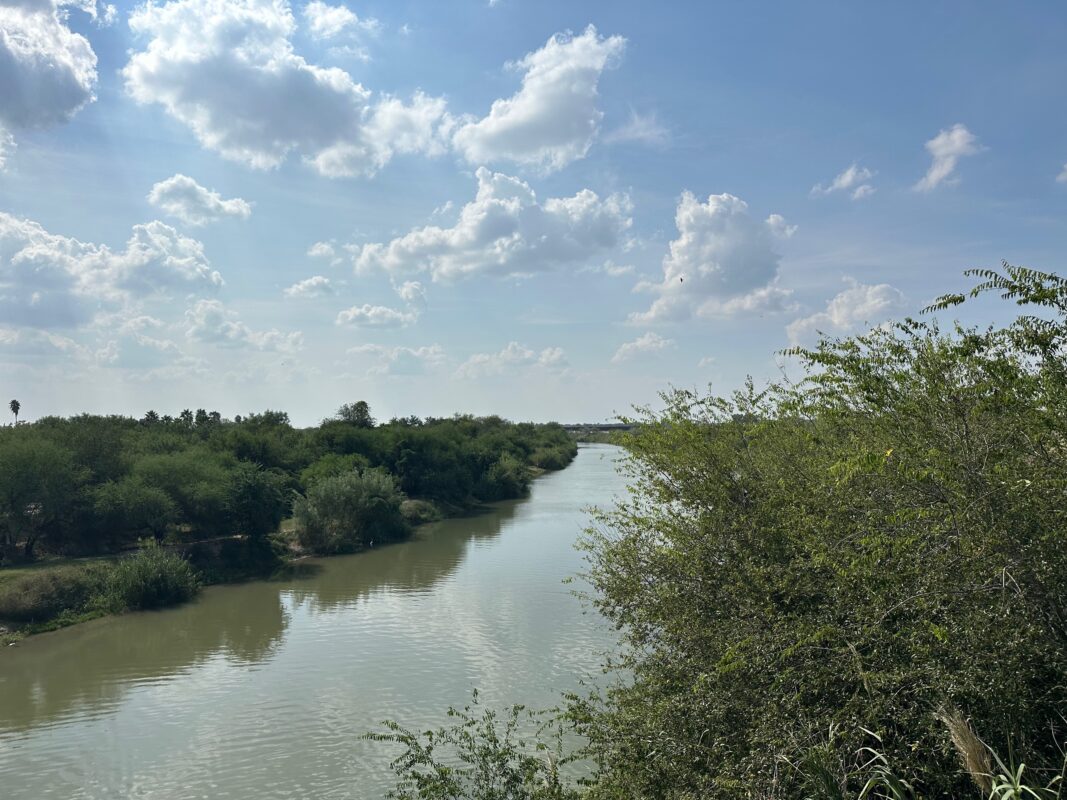
Nowhere is that urgency more visible than along the Rio Grande — known as the Río Bravo in Mexico.
Far more than a geographic boundary, the river is the lifeblood of the U.S.–Mexico border region. It sustains millions of people, supports agriculture that feeds the nation, and underpins economic growth across Texas and northern Mexico.
Today, that lifeline is under unprecedented strain.
Persistent drought, surging demand, and aging infrastructure have pushed the river system to a breaking point.
Less than 20 percent of the river’s historic flows now reach the Gulf of Mexico.
Environmental organizations rank the Rio Grande among the most endangered rivers in the country. And for South Texas communities, these aren’t warnings, they’re reality.
Counties in the Rio Grande Valley have repeatedly declared emergencies as water levels drop to dangerous lows.
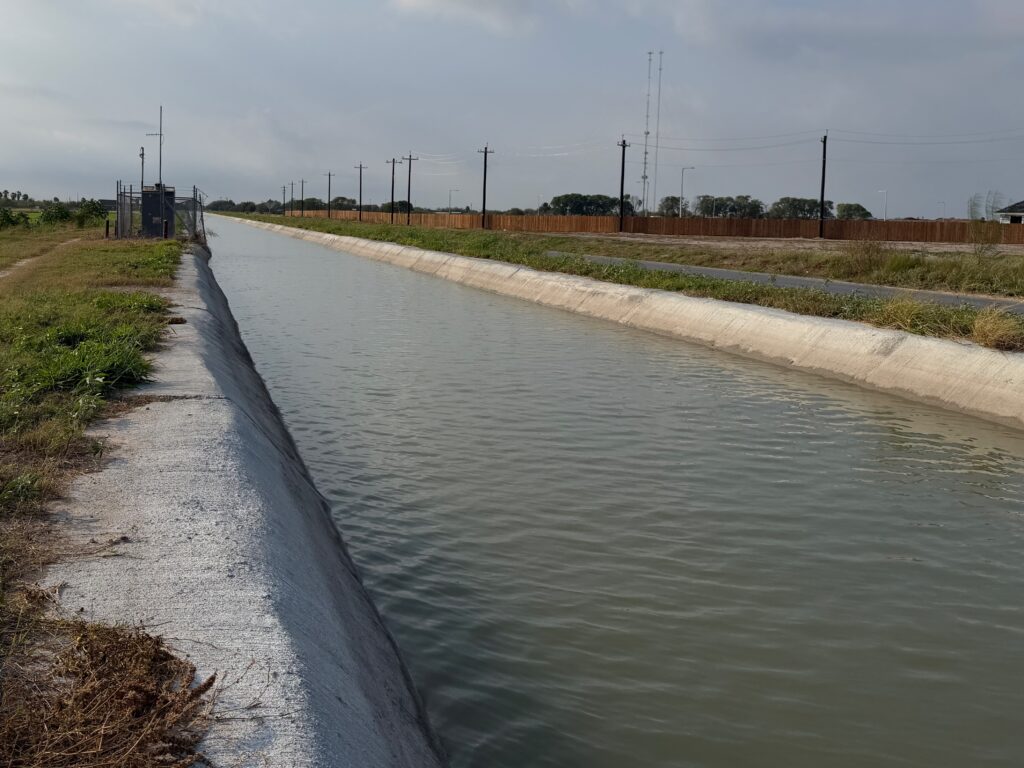
Photo Credit | Kristen Mosbrucker-Garza
Farmers face mounting uncertainty about irrigation supplies.
Cities from McAllen and Brownsville to Reynosa and Matamoros are grappling with the growing scarcity.
As Texas leaders work to secure the state’s long-term water future, the health of the Rio Grande must be part of that conversation.
Meeting this moment requires coordinated action at every level of government: local, state, federal, and binational.
At the North American Development Bank (NADBank), strengthening water resilience in border communities is core to our mission. For over three decades, the United States and Mexico have entrusted us with financing environmental infrastructure that improves quality of life along the border.
Last year, the Bank launched a $400 million Water Resiliency Fund to help municipalities, irrigation districts, and other water users adapt to today’s scarcity. The goal is simple: catalyze investment in projects that conserve water, modernize aging systems, and diversify supply sources.
Texas irrigation districts have responded to the fund with urgency.
During the initial application period, irrigation districts in the Rio Grande Valley submitted 21 proposals totaling roughly $225 million in total project cost. These projects focus on practical, high-impact improvements — lining canals, converting open channels to pipelines, and upgrading delivery systems to reduce water loss.
The potential payoff is substantial.
Preliminary analysis shows these projects could conserve more than 55,000 acre feet of water annually — about 49.5 million gallons per day. That’s enough to meet the daily drinking water needs of roughly 600,000 residents of the Rio Grande Valley.
Read more: Another severe drought could cost South Texas $2.8B and 11,500 jobs
Just as importantly, Texas leaders are stepping up as partners.
Just last week, the Texas Water Development Board agreed to an allocation of $100 million from Proposition 4 to support irrigation district projects in the Valley, complementing NADBank’s Water Resiliency Fund.
This kind of collaboration, state resources paired with binational financing, will accelerate projects that might otherwise remain unattainable.
For Texas, these investments are about more than pipes and canals. They are about protecting communities, sustaining agriculture, and ensuring the region has the water resources necessary to support continued prosperity.
No single institution or government can solve the Rio Grande’s challenges alone.
Rivers don’t recognize borders, and neither do the pressures facing them.
But through partnerships and a shared commitment to stewardship, we can ensure the river continues to provide life and vitality for generations to come.

RGV Business Journal Staff
Staff
Most Read
- Is SpaceX quietly building a data center at Starbase? Job postings offer clues
- 25 Mexican businesses eye McAllen expansion after city pitches U.S. market entry program
- SpaceX’s futuristic city of Starbase finalizes massive 7,100-acre annexation. Here’s what we know.
- McAllen metro keeps selling more homes as Brownsville-Harlingen market sees 17% drop through August
- Rio Grande LNG moves closer to getting even bigger at Port of Brownsville
Get the latest business news delivered to your inbox every morning for free.
Try 30 Days Free!
Get full access to award-winning journalism covering business, real estate, health care, economic trends, and the people shaping the Rio Grande Valley.
30 Days Free!
$9.95/month
Limited time offer
Subscription renews after your 30 day free trial at $9.95/mo.
Included Benefits
- Unlimited access to all articles
- Daily business news and analysis
- Subscriber-only content and features
Stories That Matter
- Mission’s first Small Business Expo puts $25K on the line for local entrepreneurs
- McCoy’s gives $10K, tools to launch Mid-Valley construction academy
- UT Health RGV performs new digestive procedure for first time in the Valley
- Home sales down in McAllen metro, flat in Brownsville metro — see data
- TSTC bets on advanced manufacturing to meet RGV’s industrial boom
- Pharr’s cross-border business push earns international recognition
- Brownsville eases drought restrictions after nearly three years as Rio Grande reservoir levels improve
- Texas A&M’s $53.5M McAllen research center will tackle water, food security and Valley health
- Valley has a seat at the table in Austin, but TxDOT says leaders must get their act together
- STC puts AI to work across 55 courses — from construction sites to car repair